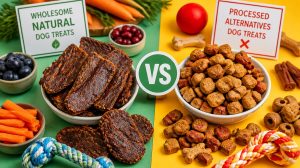
Understanding what makes a treat truly healthy comes down to a combination of ingredients, processing methods, nutritional value, and purpose.
The Foundation: Real, Recognisable Ingredients
The simplest way to identify a healthy dog treat is to look at the ingredient list. If you can recognise and understand every ingredient, you’re on the right track.
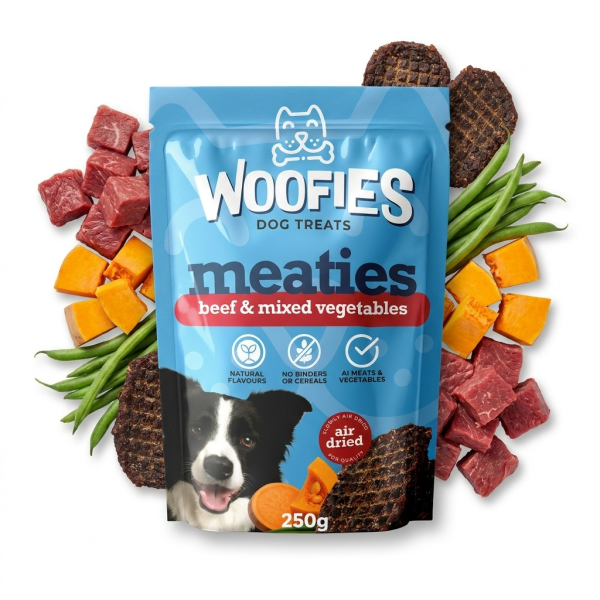
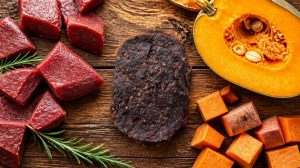
Healthy treats are typically built around:
- Named animal proteins (chicken, beef, lamb, salmon)
- Whole vegetables (
- Natural binders (in minimal formulations)
The key distinction is clarity. High-quality treats tell you exactly what your dog is eating. Lower-quality treats often rely on vague descriptions such as “meat and animal derivatives,” which offer no transparency about sourcing or nutritional quality.
Dogs thrive on simplicity. Their digestive systems are designed to process real food, not heavily engineered formulations.
Processing Level: Less Is Almost Always Better
Processing is where many dog treats lose their nutritional integrity.
Highly processed treats often undergo:
- High heat extrusion
- Chemical flavour enhancement
- Synthetic preservation
- Reconstitution of low-quality meat meals
Each of these steps strips away natural nutrients and replaces them with additives designed for shelf life or cost reduction.
In contrast, minimally processed treats retain far more of their original nutritional value. These include:
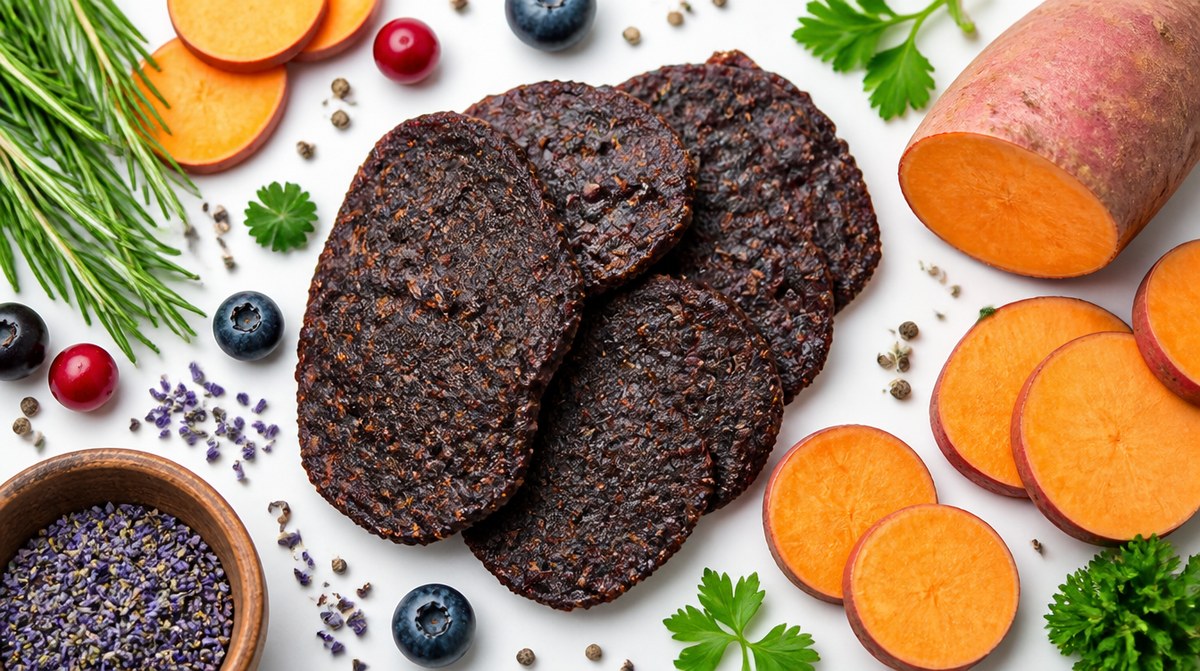
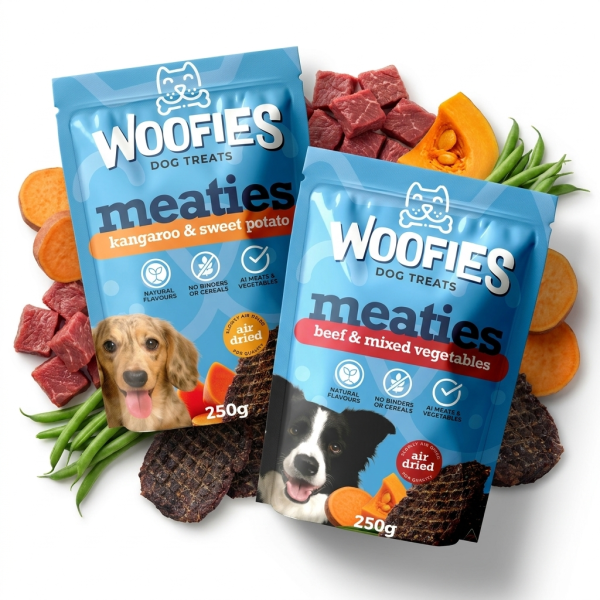
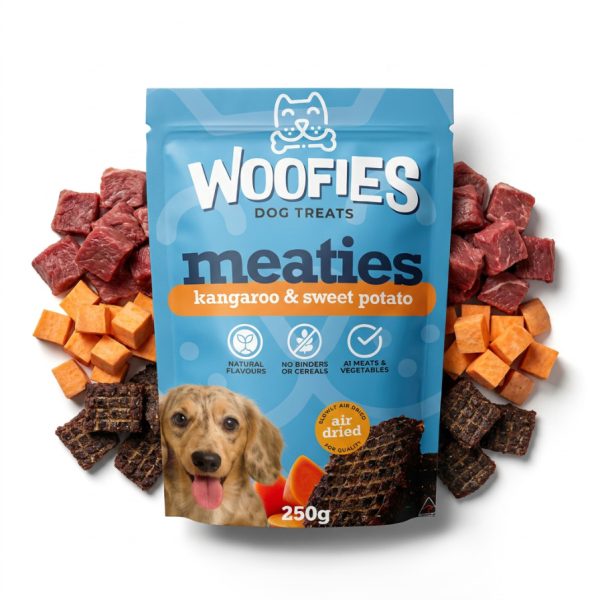
- Air-dried treats
- Freeze-dried proteins
- Gently baked single-ingredient snacks
These methods preserve amino acids, natural fats, and micronutrients without the need for artificial enhancement.
Think of it this way: the closer a treat is to its natural form, the more beneficial it is for your dog.
The Role of Protein Quality
Protein is the most important macronutrient in a dog’s diet, and it remains critical even in treat form.
High-quality protein supports:
- Muscle maintenance
- Tissue repair
- Immune function
- Energy production
However, not all protein sources are equal. Named cuts of meat are far superior to rendered meals or by-products. For example:
“Chicken breast” is a high-quality protein source
“Meat meal” is undefined and varies in quality
Treats built on single-source proteins are generally easier to digest and less likely to trigger food sensitivities.
Additives: The Hidden Problem
Many commercial dog treats rely heavily on additives to improve taste, texture, and shelf stability. These include:
- Artificial preservatives (BHA, BHT, ethoxyquin)
- Artificial flavours and smoke enhancers
- Synthetic colours
While these may be approved for use in pet food, they do not contribute any nutritional value and are unnecessary in a well-formulated treat.
A healthy treat avoids these entirely and relies instead on natural preservation methods such as dehydration or freezing.
Calories, Size, and Functional Use
A healthy treat is not just about ingredients – it also needs to be appropriate for its purpose.
For example:
- Training treats should be small, low-calorie, and highly palatable
- Chews should be durable but digestible
- Occasional rewards should still fit within daily caloric needs
Overfeeding treats, even healthy ones, can lead to weight gain or imbalance in the overall diet. A good rule is that treats should make up no more than 10% of daily caloric intake.
Functional Nutrition: More Than Just a Snack
Modern high-quality treats often include functional benefits beyond basic nutrition. These may support:
While not essential, these additions can enhance overall wellbeing when used as part of a balanced diet.
Summary: The Simplicity Test
A healthy dog treat passes a simple test:
- If it looks like real food, smells like real food, and contains ingredients you recognise – it probably is healthy.
- If it looks engineered, artificially coloured, or contains chemical-sounding additives, it likely isn’t.
The best treats don’t try to be complex. They stay close to nature, and your dog’s body recognises them for exactly what they are: real food.
Frequently Asked Questions
What makes a dog treat healthy?
A healthy dog treat is made with real, whole food ingredients like single-source proteins, vegetables, and natural preservatives. It should have a short ingredient list you can actually read, with no artificial colours, flavours, or fillers. Healthy dog treats support your dog’s overall wellbeing rather than just satisfying their taste buds.
How do I know if a dog treat is good quality?
Check the ingredient list first. Good quality dog treats list a named protein (like kangaroo, chicken, or beef) as the first ingredient, and avoid vague terms like ‘meat by-products’ or ‘animal derivatives’. Short ingredient lists with recognisable whole foods are generally a reliable sign of a healthy dog treat.
Are natural dog treats healthier than regular ones?
Yes, natural dog treats are typically healthier because they skip the artificial additives, synthetic preservatives, and low-quality fillers found in many commercial options. They tend to be higher in protein and lower in unnecessary carbohydrates, making them a better everyday choice for most dogs.
Can healthy dog treats help with my dog’s coat and digestion?
Absolutely. Healthy dog treats made with ingredients like salmon, sweet potato, or flaxseed can support skin and coat health thanks to their natural omega fatty acids and fibre content. Treats with wholefood ingredients are also easier for dogs to digest compared to highly processed alternatives.