A glossy, healthy coat is one of the first things people notice about a well-nourished dog. It is not just about aesthetics, either. Your dog’s coat and skin condition is one of the most visible indicators of their overall internal health. When something is off nutritionally, the coat and skin are often among the first places it shows up.
The Nutritional Foundation of a Healthy Coat
Your dog’s coat is made up almost entirely of protein, specifically a structural protein called keratin. This means that a diet sufficient in high-quality protein is fundamental to maintaining a healthy, strong coat. Dogs that are not getting enough quality protein, or are eating protein from poor-quality sources that are not well utilised by the body, may develop coats that are dull, brittle, or prone to excessive shedding.
Amino acids, the building blocks of protein, are equally important. Certain amino acids such as methionine and cysteine are particularly critical for coat health. These are found in good concentrations in animal-based proteins, which is one reason why meat-based treats and diets tend to support better coat condition than grain-heavy alternatives.
The Critical Role of Healthy Fats
While protein forms the structure of the coat, healthy fats are responsible for its shine and for the integrity of the skin beneath. Essential fatty acids, particularly omega-3 and omega-6, play a vital role in maintaining the skin’s natural barrier function, keeping moisture in and irritants out.
Omega-3 fatty acids, found in high concentrations in oily fish such as salmon and sardines, are especially valuable. They have anti-inflammatory properties that can help manage skin conditions such as atopic dermatitis, and they contribute directly to the lustrous shine that we associate with a healthy, well-nourished coat. Omega-6 fatty acids, found in chicken fat and certain plant oils, work in balance with omega-3s to support overall skin health.
Fish-based treats are one of the simplest ways to boost your dog’s omega-3 intake, and many dogs absolutely love the flavour of fish, making it an easy sell at treat time.
Signs of Poor Nutrition in the Coat and Skin
It is worth knowing what to look for so you can identify nutritional issues before they become entrenched. A dull, lacklustre coat that has lost its sheen is often an early sign of nutritional deficiency, particularly in fatty acids. Dry, flaky skin, sometimes called dandruff, can indicate insufficient fat intake or a deficiency in specific vitamins such as vitamin E or vitamin A.
Excessive shedding beyond what is normal for the breed or season, persistent itchiness without an identified allergic cause, and a coarse or rough coat texture are all signals worth investigating. In many cases, these symptoms can be significantly improved with targeted nutritional adjustments, though it is always worth ruling out underlying skin conditions or allergies with your veterinarian first.
Artificial colours, flavours, and preservatives found in many commercial dog treats can contribute to skin reactions and coat problems in sensitive dogs. Some dogs develop itchy, inflamed skin as a response to specific artificial additives, and the connection is not always immediately obvious because the reaction may develop gradually over time.
Switching to natural, additive-free treats is often a sensible step when a dog is experiencing unexplained skin or coat issues. Removing potential chemical irritants from the diet gives you a cleaner baseline from which to assess your dog’s response.
Practical Steps to Improve Coat Health Through Diet
Supporting your dog’s coat and skin health through diet does not have to be complicated. Ensuring they are eating a high-quality diet with real animal protein as the primary ingredient is the foundation. Adding fish-based treats or a dog-safe fish oil supplement can provide a meaningful omega-3 boost.
Being consistent matters too. Nutritional changes to coat condition take time to become visible, often eight to twelve weeks, because new coat growth must cycle through before the improvement is apparent. Be patient and give dietary changes time to show results before drawing conclusions.
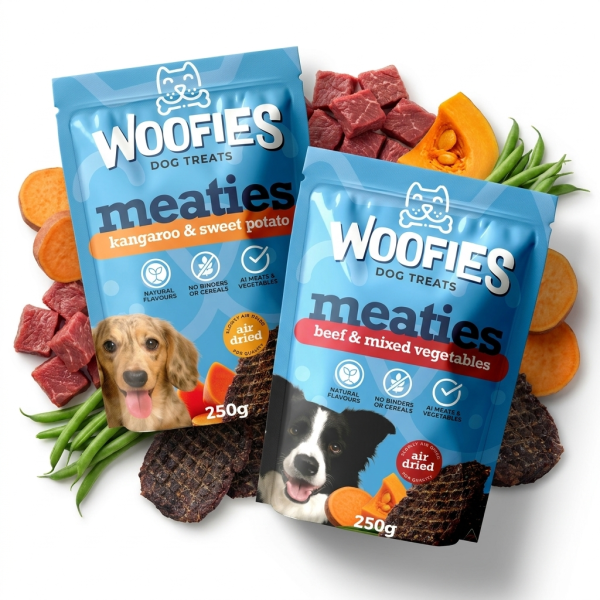
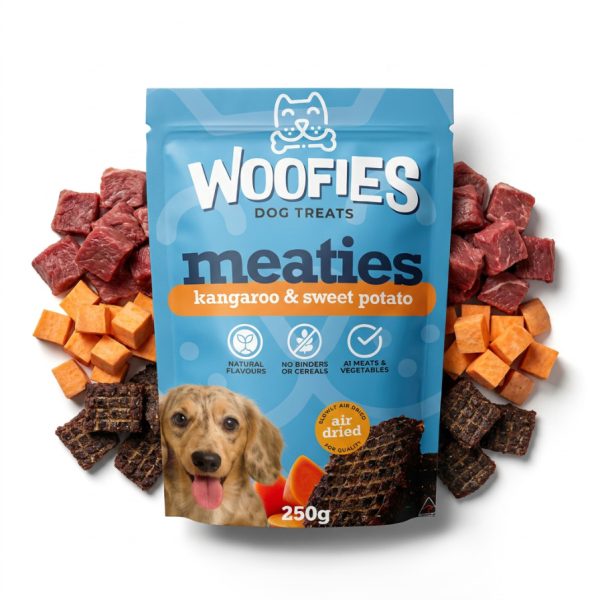
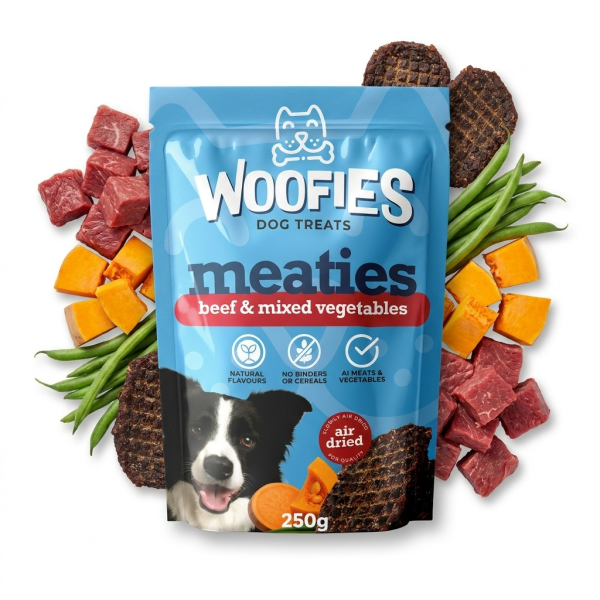
At Woofies, our natural treats are made with real fish and quality proteins that directly support coat and skin health. When your dog is getting the nutrition they need, it shows, and that beautiful, shiny coat is one of the most satisfying signs that you are doing things right.
—
Frequently Asked Questions
What should I feed my dog for a healthy coat and skin?
Diet affects your dog’s coat and skin more directly than most people realise, with protein and omega-3 fatty acids being the two most critical nutrients for a glossy, healthy coat. High-quality animal proteins provide the amino acids needed to grow strong hair, while omega-3s from fish or flaxseed help maintain skin moisture and reduce inflammation. A diet rich in these nutrients, with minimal artificial additives, is the foundation of good coat health.
Can a poor diet cause a dull or flaky coat in dogs?
Yes, how diet affects your dog’s coat and skin is very visible when nutrition is lacking. A dull, dry, or flaky coat is often one of the first signs that a dog is not getting enough quality protein, essential fatty acids, or key vitamins and minerals. Switching to a more nutrient-dense diet, or adding a natural fish-based treat for the omega-3 content, can often lead to noticeable improvements within a few weeks.
Do omega-3 supplements help with dog skin problems?
Omega-3 fatty acids are one of the most well-supported ways that diet affects your dog’s coat and skin in a positive way. They help regulate the skin’s oil production, reduce itching and inflammation, and support the skin barrier that keeps allergens out. Many Australian dog owners find that adding a fish oil supplement or swapping to fish-based treats makes a meaningful difference to their dog’s skin comfort and coat quality.
How long does it take for diet changes to improve a dog’s coat?
Because diet affects your dog’s coat and skin at the cellular level, results are not immediate. Most dogs show visible improvements in coat shine and skin condition within four to eight weeks of a sustained dietary change. Consistency is key, so sticking with the new diet and resisting the urge to switch things up again before that window has passed will give you the most accurate picture of whether the change is working.