Maintaining a healthy weight is one of the most impactful things you can do for your dog’s long-term health. Overweight and obese dogs face significantly elevated risks of joint disease, diabetes, heart problems, breathing difficulties, and a shortened lifespan. Yet it is estimated that a large proportion of pet dogs in Australia are carrying excess weight, often without their owners realising it.
Understanding Ideal Body Condition
Before you can manage your dog’s weight effectively, you need to understand what a healthy body condition actually looks like. Veterinarians use a body condition score to assess whether a dog is underweight, at an ideal weight, or overweight. This is a practical hands-on assessment rather than simply relying on a number on a scale.
An ideal body condition in a dog means that you can feel the ribs easily without pressing hard, but they are not prominently visible. When viewed from above, your dog should have a visible waist, narrowing between the ribcage and the hips. When viewed from the side, there should be a slight abdominal tuck, where the belly rises up towards the hindquarters.
If your dog’s ribs are difficult to feel under a layer of fat, or if there is no visible waist when viewed from above, they are likely overweight. Getting a professional assessment from your veterinarian is the most accurate starting point.
Treat Calories as Part of Daily Intake
One of the most common reasons dogs become overweight is that treat calories are not factored into their overall daily intake. Owners often feed a carefully measured amount of main food but then give treats liberally on top, not realising how much those extras add up over the course of a day.
A widely recommended guideline is that treats should make up no more than ten percent of your dog’s total daily calorie intake. For a small dog with a daily requirement of around 400 calories, that means treats should provide no more than 40 calories per day. A single large commercial treat can easily exceed this.
Getting into the habit of checking the calorie content of your dog’s treats and tracking how many they receive each day is a genuinely effective step towards better weight management. It does not have to be precise to be helpful, just being more mindful about treat portions makes a real difference.
Choosing Lower-Fat Natural Treats
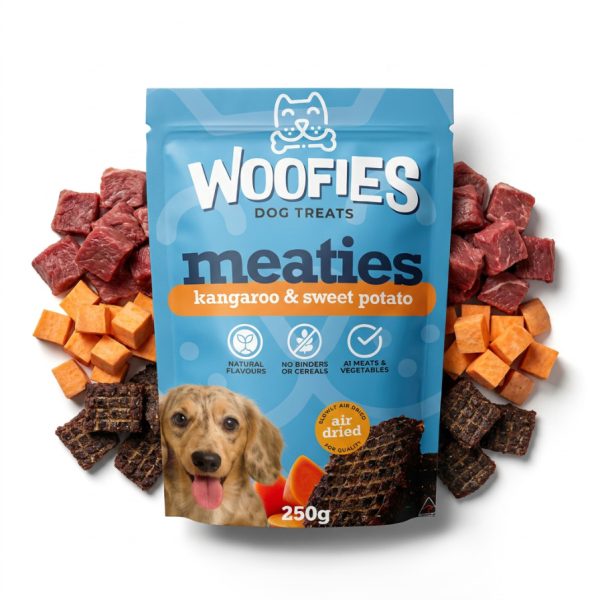
The type of treat you choose matters as much as the quantity. Treats made from high-fat ingredients are significantly more calorie-dense than those made from lean proteins or vegetables. Opting for treats made from lean meats such as kangaroo, chicken breast, or fish reduces calorie load without sacrificing flavour or the positive reinforcement value of the treat itself.
Breaking treats into smaller pieces is one of the simplest strategies available to you. Dogs respond to the act of receiving a treat rather than the size of the piece, so a treat broken into four small pieces provides four separate reward moments for the same calorie cost as one large piece.
Natural, single-ingredient treats with no added fillers, sugars, or grains tend to be lower in unnecessary calories than heavily processed commercial treats. Reading ingredient labels and choosing treats where the first and primary ingredient is a named protein is always a sound approach.
Portion Control at Mealtimes
Weight management is not just about treats. Portion control at mealtimes is equally important. Following the feeding guidelines on your dog’s food packaging is a useful starting point, but these are general guidelines and may need to be adjusted based on your individual dog’s metabolism, activity level, and age.
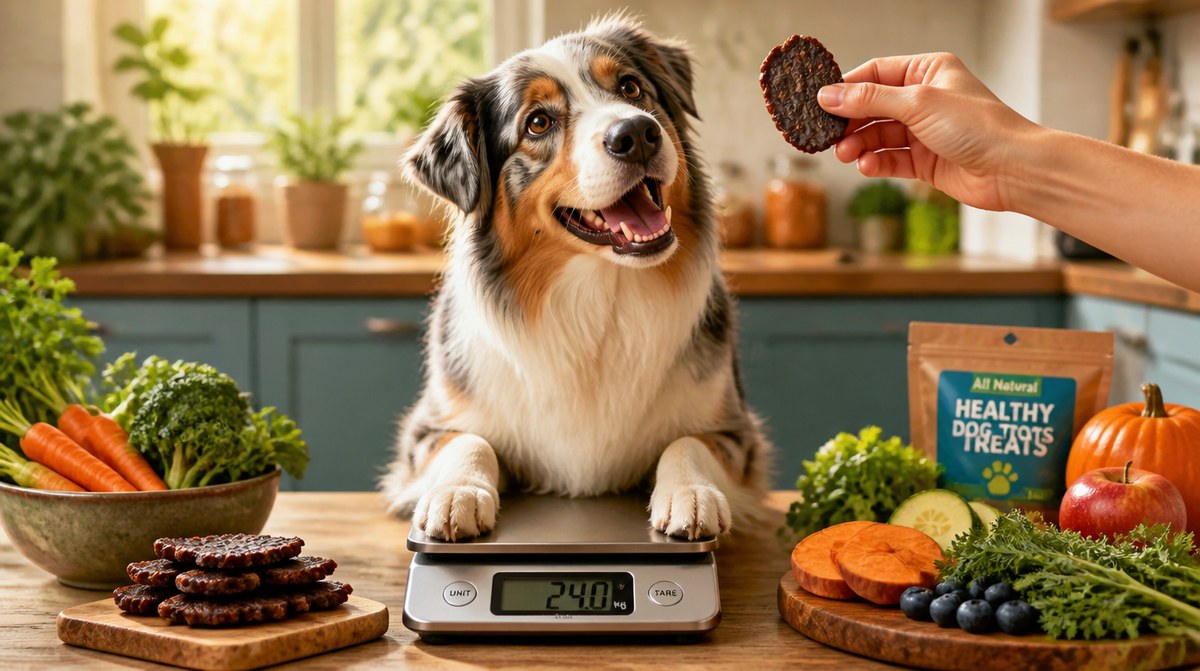
Measuring food by weight using a kitchen scale is more accurate than measuring by cup, as cup measurements can vary significantly depending on how loosely or tightly the food is packed. Feeding measured, consistent portions at set mealtimes rather than free-feeding throughout the day gives you much better control over your dog’s intake.
The Role of Exercise
Diet and exercise work together in weight management. Increasing your dog’s physical activity helps burn calories and build muscle, which in turn supports a healthier metabolism. Regular walks, play sessions, and mental stimulation through training or enrichment activities all contribute to keeping your dog active and engaged.
For dogs that are significantly overweight, high-impact exercise may not be appropriate initially due to joint strain. Gentle, consistent activity such as short walks and low-impact play is a safer starting point, with intensity gradually increasing as your dog’s condition improves.
Working With Your Vet
If your dog is notably overweight, working with your veterinarian on a structured weight management plan is the most effective approach. Your vet can calculate an appropriate calorie target, monitor your dog’s progress, and flag any underlying health issues that may be contributing to weight gain.
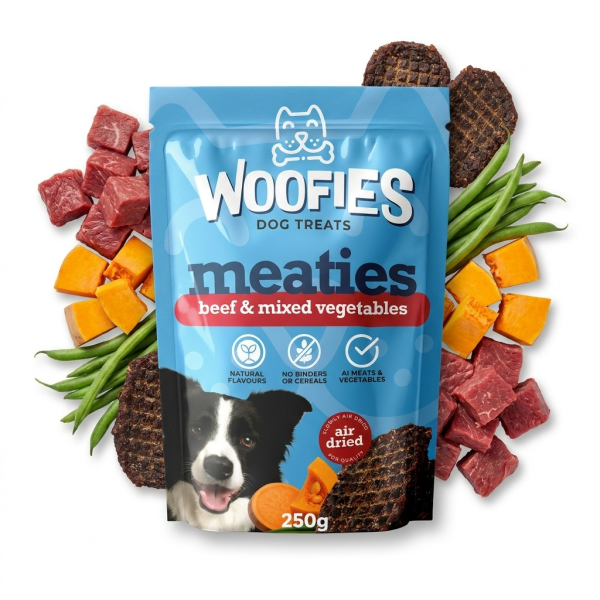
At Woofies, our natural dog treats are made with real ingredients and no unnecessary fillers, giving you a trustworthy, lower-calorie option for rewarding your dog every day. Because keeping your dog at a healthy weight is one of the greatest gifts you can give them.
Frequently Asked Questions
How do I know if my dog is overweight?
Healthy weight management tips for dogs often start with learning to assess body condition rather than relying solely on the scales. You should be able to feel your dog’s ribs without pressing hard, see a visible waist when looking from above, and notice a tuck in the belly when viewed from the side. If your dog fails these checks, they are likely carrying extra weight that warrants a dietary review.
How many treats can I give my dog without causing weight gain?
One of the most actionable healthy weight management tips for dogs is to keep treats within 10% of their total daily calorie intake. Many owners underestimate how quickly treat calories add up, particularly with larger or more processed treats. Opting for smaller, lower-calorie natural treats and counting them as part of your dog’s daily food budget rather than extras is a simple habit that makes a real difference.
What is the best way to reduce my dog’s weight through diet?
The most effective healthy weight management tips for dogs involve a gradual calorie reduction rather than sudden food restriction, which can cause nutritional imbalances and stress. Reducing portion sizes by 10 to 15% and swapping calorie-dense treats for lighter alternatives like lean dried meat or low-fat chews is a sustainable starting point. Weigh your dog every two to three weeks to track progress and adjust as needed.
How much exercise does my dog need to maintain a healthy weight?
Exercise requirements vary by breed, age, and health status, but most dogs benefit from at least 30 minutes of moderate activity per day as part of healthy weight management. For dogs, combining regular walks with mentally stimulating play helps burn calories and maintain muscle tone, which in turn supports a healthier metabolism. If your dog has joint issues or other health conditions, speak with your vet about appropriate low-impact exercise options.