Grain-free dog treats have become one of the most heavily marketed categories in pet nutrition. Walk into any pet store and you’ll see “grain-free” positioned as a premium, healthier option. But the reality is far more nuanced. Grain-free does not automatically mean better, safer, or more nutritious.
To understand whether grain-free treats are right for your dog, you need to look beyond marketing and focus on biology, ingredient balance, and individual tolerance.
What “Grain-Free” Actually Means
Grain-free simply means the treat does not contain traditional cereal grains such as:
- Wheat
- Corn
- Rice
- Oats
- Barley
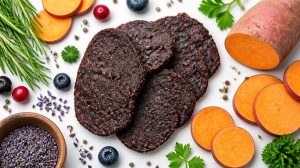
Instead, these ingredients are typically replaced with alternative carbohydrate sources like:
This substitution changes the structure of the treat but not necessarily its nutritional quality.
Are Dogs Naturally Meant to Eat Grains?
Dogs are biologically classified as omnivores with strong carnivorous ancestry. Over thousands of years of domestication, they have developed the ability to digest certain carbohydrates, including grains.
For most healthy dogs:
- Whole grains are digestible
- Grains provide fibre for gut health
- Grains offer energy and micronutrients (B vitamins, minerals)
The idea that all grains are harmful is a misconception. In fact, for many dogs, grains are a perfectly functional part of a balanced diet.
When Grain-Free Can Be Beneficial
There are situations where grain-free treats can be helpful.
Some dogs may benefit from grain-free options if they have:
- Confirmed grain sensitivities (rare but possible)
- Chronic digestive issues
- Skin irritation linked to specific ingredients
- Veterinarian-recommended elimination diets
In these cases, removing grains can simplify the diet and help identify triggers.
However, it’s important to note that true grain allergies in dogs are relatively uncommon compared to protein-based sensitivities.
The Bigger Question: What Replaces the Grains?
This is where grain-free treats become more complex.
When grains are removed, they are replaced with alternative binders and fillers, often including:
- Peas
- Lentils
- Chickpeas
- Potatoes
While these ingredients are not inherently bad, they introduce a new carbohydrate profile that can sometimes be just as dense – or more so – than grains.
In some formulations, grain-free treats can end up being:
- High in starch
- High in calories
- Heavy in legume-based proteins
This is why “grain-free” should never be the only measure of quality.
The DCM Conversation (Why It Matters)
In recent years, there has been ongoing investigation into a potential link between certain grain-free diets and dilated cardiomyopathy (DCM) in dogs.
Key points:
- The link is not fully confirmed
- Most concerns relate to diets high in legumes (peas/lentils)
- Breed genetics and overall formulation likely play a role
The important takeaway is not to fear grain-free diets, but to avoid over-reliance on heavily processed, legume-dominant formulations.
Balance matters more than labels.
Digestibility and Individual Dogs
Every dog is different. Some dogs thrive on grain-inclusive diets, while others do better with limited carbohydrate sources.
Signs a dog may benefit from dietary adjustment include:
- Chronic itching or skin irritation
- Loose stools or inconsistent digestion
- Low energy levels after eating
- Frequent ear infections (in some allergy cases)
However, these symptoms can also be caused by proteins, fats, or environmental factors – not just grains.
Marketing vs Reality
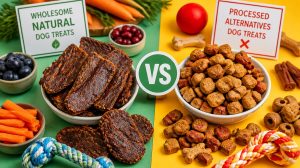
“Grain-free” has become a marketing shortcut for “premium,” but it does not guarantee:
- Higher protein quality
- Better digestibility
- Fewer additives
- Superior nutrition
A grain-free treat can still be heavily processed and low quality. Likewise, a grain-inclusive treat can be clean, balanced, and highly nutritious.
Summary
Grain-free dog treats are not inherently better or worse. They are simply one variation in formulation.
The real decision should be based on:
- Ingredient quality
- Protein source
- Processing method
- Your dog’s individual tolerance
Grain-free is a tool – not a standard of quality.
Frequently Asked Questions
Are grain-free dog treats better for all dogs?
Grain-free dog treats are not necessarily better for every dog, but they can be a great option for dogs with grain sensitivities or allergies that cause skin irritation, itching, or digestive upset. For most healthy dogs, the more important factor is the overall quality of ingredients rather than whether grains are present.
Which dogs benefit most from grain-free treats?
Dogs that benefit most from grain-free treats are those with confirmed grain allergies, gluten intolerances, or chronic digestive issues linked to grain consumption. If your vet has recommended a grain-free diet, choosing grain-free dog treats keeps your dog consistent with their eating plan.
What are the pros and cons of grain-free dog treats?
The main benefit of grain-free dog treats is that they remove a common allergen and often replace grains with more nutrient-dense alternatives like sweet potato or pumpkin. The downside is that they are sometimes higher in fat or calories, so portion control is still important even when feeding grain-free options.
Do grain-free dog treats contain less carbohydrates?
Not always. Grain-free dog treats still contain carbohydrates, but they come from sources like legumes, tapioca, or root vegetables instead of wheat or corn. The total carbohydrate content can vary widely between products, so it is worth checking the nutritional panel if your dog needs a low-carb diet.