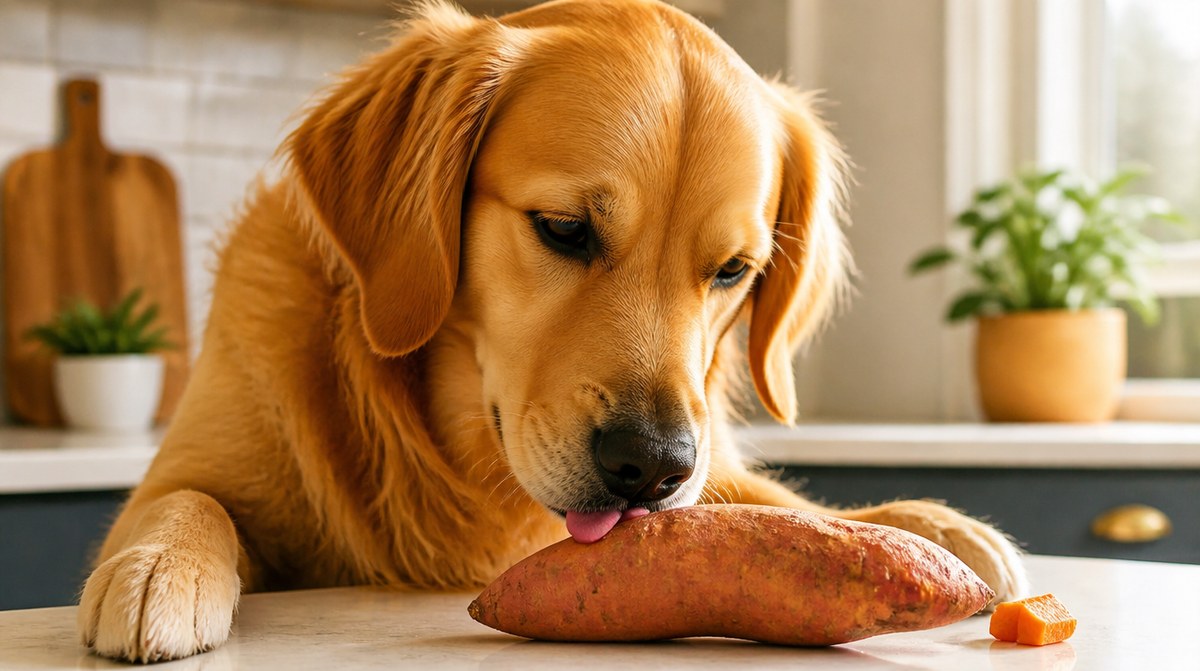
If you have ever wondered whether sweet potato is a safe and healthy choice for your dog, the answer is a resounding yes. Sweet potato is one of nature’s most nutritious whole foods, and it has earned a well-deserved place in quality natural dog treats. Packed with vitamins, minerals, and dietary fibre, it offers a range of health benefits that support your dog from the inside out.
A Nutritional Powerhouse in Every Bite
Sweet potato is rich in beta-carotene, which the body converts into vitamin A. This nutrient plays a critical role in maintaining healthy eyesight, supporting immune function, and keeping skin and coat in good condition. Alongside vitamin A, sweet potato delivers a solid dose of vitamin C, which acts as an antioxidant and helps the body fight oxidative stress. It also contains B vitamins, potassium, and manganese, all of which contribute to overall health and energy metabolism.
What makes sweet potato particularly valuable is that these nutrients come packaged in a natural, minimally processed form. When it appears in a high-quality treat, it brings real food nutrition rather than synthetic additives or empty fillers.
Supporting Digestive Health
One of the standout qualities of sweet potato is its fibre content. Dietary fibre is essential for a healthy digestive system, and sweet potato provides a gentle, soluble form that is well tolerated by most dogs. This type of fibre helps regulate bowel movements, supports the growth of beneficial gut bacteria, and can ease mild digestive upsets.
For dogs that experience occasional loose stools or constipation, adding sweet potato to the diet can make a meaningful difference. It is also a gentle option for dogs with sensitive stomachs, as it is easy to digest and unlikely to cause irritation.
A Natural Source of Sustained Energy
Sweet potato has a moderate glycaemic impact when fed in appropriate amounts, meaning it provides a steady release of energy rather than a sharp spike followed by a crash. This makes it a sensible carbohydrate source for active dogs who need sustained fuel throughout the day. Unlike refined grains or artificial starches, sweet potato comes with accompanying nutrients that support the body’s ability to use that energy effectively.
How Sweet Potato Appears in Dog Treats
When you see sweet potato listed as an ingredient in a dog treat, it is worth knowing how it is prepared. In high-quality natural treats, sweet potato is typically dehydrated or slow-dried to preserve its nutritional content. This process removes moisture while concentrating the flavour and nutrients, resulting in a treat that dogs find absolutely irresistible.
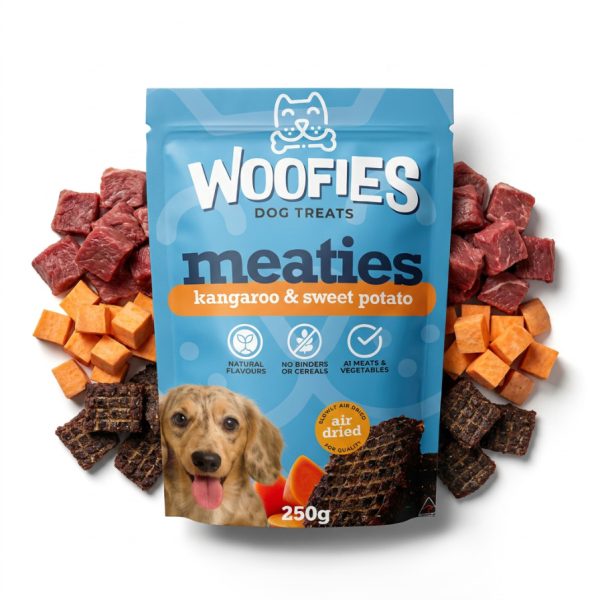
At Woofies, sweet potato is paired with kangaroo in some of our most popular treats. This combination brings together the benefits of a lean, novel protein with the digestive and nutritional advantages of sweet potato. It is a pairing that works beautifully for dogs with food sensitivities, as both ingredients are considered low-allergen choices.
Is Sweet Potato Safe for All Dogs?
For the vast majority of dogs, sweet potato is a completely safe and beneficial ingredient. It is naturally free from common allergens and is unlikely to trigger sensitivities. That said, as with any food, it should be fed in moderation as part of a balanced diet. Dogs with diabetes or blood sugar management concerns should have their treat intake monitored, and it is always wise to consult your vet if you have specific health questions about your dog.
When choosing treats that contain sweet potato, look for products where it is listed as a whole food ingredient rather than a flavouring or additive. Transparency in ingredients is always a good sign that you are choosing a treat made with your dog’s wellbeing in mind.
Sweet potato is one of those rare ingredients that is as good as it sounds. Natural, nutritious, and genuinely loved by dogs, it is a smart choice whether it appears in a treat or as an occasional addition to your dog’s meal bowl.
—
What are the health benefits of sweet potato for dogs?
Sweet potato is packed with dietary fibre, vitamins A, B6, and C, as well as potassium and antioxidants. For dogs, these nutrients support healthy digestion, immune function, and skin condition, making sweet potato a genuinely beneficial ingredient in natural dog treats.
Can sweet potato help with my dog’s digestion?
Sweet potato is an excellent source of soluble fibre, which helps regulate bowel movements and supports a healthy gut. Dogs prone to loose stools or constipation often respond well to small amounts of sweet potato added to their diet or included in natural treats.
How much sweet potato can I give my dog?
Treats and extras like sweet potato should make up no more than 10% of your dog’s daily calorie intake. For most dogs, a few small pieces or a treat made with sweet potato a couple of times a week is plenty to enjoy the benefits without overdoing it.
Frequently Asked Questions
Is sweet potato safe for dogs to eat?
Yes, sweet potato is safe for dogs and is actually one of the most nutritious vegetables you can offer them. It should always be cooked and served plain, without any butter, seasoning, or additives that could upset your dog’s stomach.
What are the health benefits of sweet potato for dogs?
Sweet potato is packed with dietary fibre, vitamins A, B6, and C, as well as potassium and antioxidants. For dogs, these nutrients support healthy digestion, immune function, and skin condition, making sweet potato a genuinely beneficial ingredient in natural dog treats.
Can sweet potato help with my dog’s digestion?
Sweet potato is an excellent source of soluble fibre, which helps regulate bowel movements and supports a healthy gut. Dogs prone to loose stools or constipation often respond well to small amounts of sweet potato added to their diet or included in natural treats.
How much sweet potato can I give my dog?
Treats and extras like sweet potato should make up no more than 10% of your dog’s daily calorie intake. For most dogs, a few small pieces or a treat made with sweet potato a couple of times a week is plenty to enjoy the benefits without overdoing it.