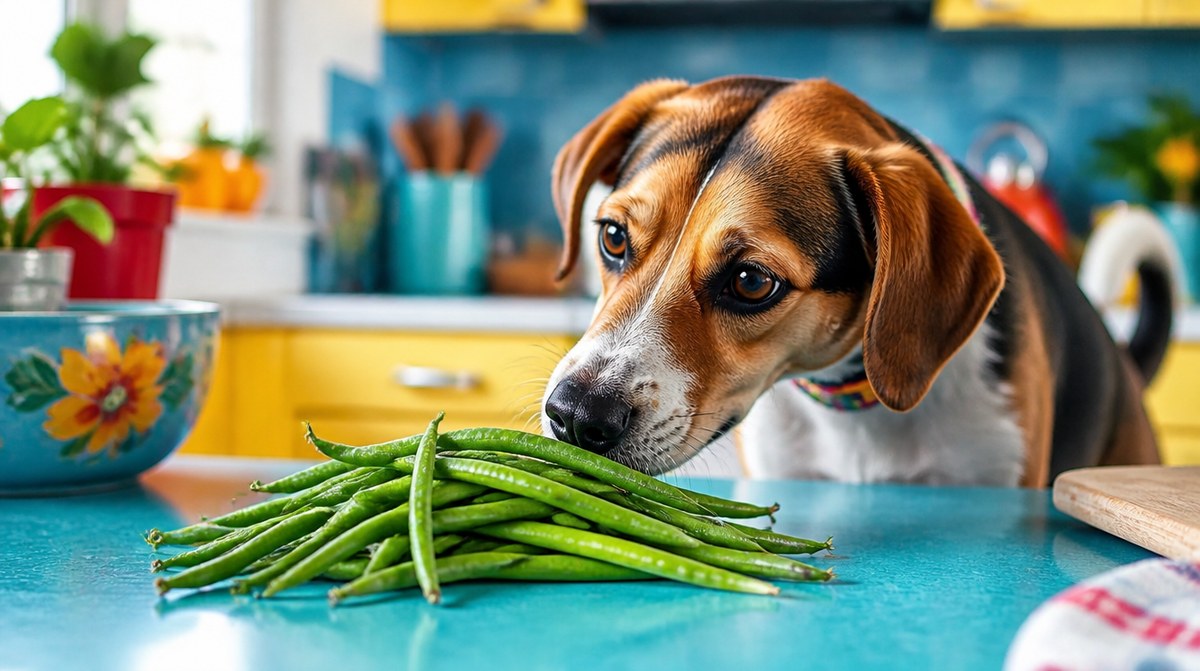
If you have been wondering whether green beans are a safe option for your dog, you will be pleased to know they absolutely are. Green beans are one of the most nutritious and low-risk vegetables you can offer a dog, and they come with a range of genuine health benefits. From weight management to digestive support, these humble vegetables have earned their place in the canine snack repertoire.
Are Green Beans Safe for Dogs?
Yes, green beans are safe for dogs in their plain form. They are non-toxic, well-tolerated by most dogs, and can be served fresh, steamed, or dried. The key qualifier is plain: green beans prepared with salt, garlic, onion, oil, or seasonings are not appropriate for dogs, as many of these additions are either harmful or unnecessarily heavy for the canine digestive system. Stick to simple preparation and you have a snack that is safe for dogs of most ages and sizes.
Canned green beans are technically safe but should be rinsed thoroughly to remove excess sodium, and low-sodium or no-salt-added varieties are always preferable. Fresh or frozen green beans are the most reliable option when you want to avoid any additives.
Nutritional Value of Green Beans for Dogs
Green beans are impressively nutrient-dense for a low-calorie food. They contain vitamin C, vitamin K, vitamin A, manganese, and folate, as well as a solid dose of dietary fibre. Vitamin K plays a vital role in blood clotting and bone health, while vitamin C acts as an antioxidant supporting immune function. Manganese contributes to bone development and enzyme activity, making it particularly relevant for growing dogs.
The fibre content in green beans supports healthy digestion by adding bulk to the diet and encouraging regular bowel movements. For dogs who occasionally experience digestive irregularity, adding green beans to their meals can be a simple and natural remedy.
Green Beans and Weight Management
One of the most celebrated uses of green beans for dogs is as a tool for weight management. Because they are very low in calories yet high in fibre and water content, green beans create a feeling of fullness without adding significant energy to the diet. This makes them an excellent option for dogs who are overweight or on a calorie-restricted diet.
Some dog owners and vets use a technique sometimes called the “green bean method,” where a portion of a dog’s regular food is gradually replaced with green beans to reduce overall calorie intake while keeping the dog satisfied. This approach should always be done with veterinary guidance to ensure the dog’s nutritional needs continue to be met, but it illustrates how effectively green beans can support weight goals.
For dogs who tend to beg between meals or who seem perpetually hungry despite eating appropriate portions, offering a few green beans as a snack can provide satisfaction without guilt.
How Green Beans Appear in Dog Treats and Food
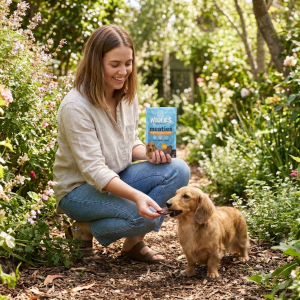
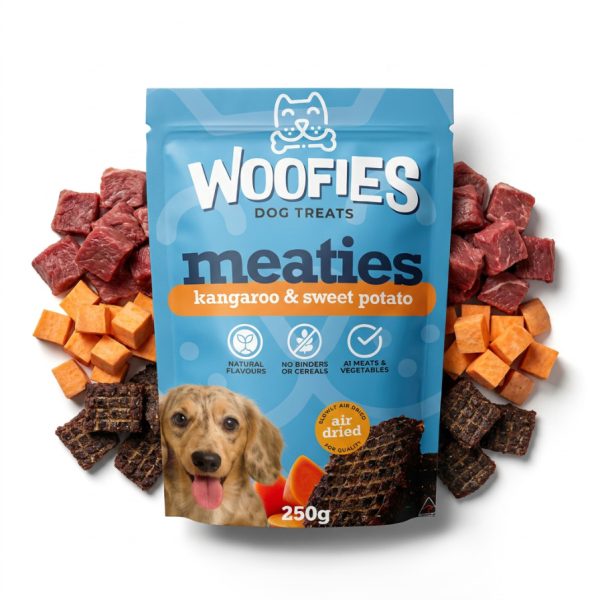
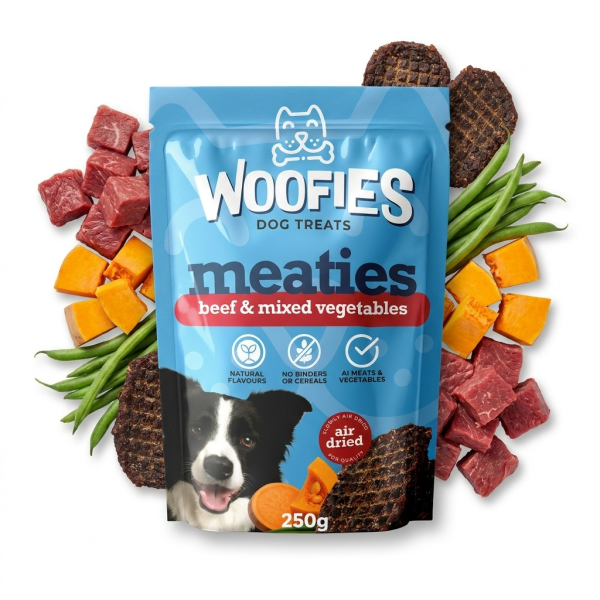
In commercial dog food and treats, green beans typically appear as a supplementary ingredient contributing fibre, vitamins, and natural flavour. In air-dried or dehydrated treat formats, the water is removed from the green bean while the nutritional content is largely preserved. This creates a crunchy, lightweight snack that dogs often enjoy, and one that retains the vegetable’s beneficial properties in a convenient form.
When you see green beans listed as a whole food ingredient in a treat, it is generally a positive sign that the manufacturer is using real food rather than processed derivatives or fillers.
How Many Green Beans Can a Dog Eat?
As with any food outside of a dog’s primary diet, green beans should be offered in moderation. For most dogs, green beans can make up a small percentage of daily food intake without any issues. Very small dogs should receive only a few beans at a time, while larger dogs can handle more. As a general rule, treats and extras including vegetables should not exceed ten percent of a dog’s daily caloric intake.
If your dog has never eaten green beans before, introduce them gradually to allow the digestive system to adjust. Watch for any signs of digestive upset and reduce the amount if needed. For dogs with specific health conditions, particularly kidney disease due to their potassium content, check with your vet before adding green beans regularly.
Green beans are one of those rare snacks that manage to be genuinely good for dogs while also being something most of them enjoy. Simple, natural, and nutritious, they are a worthy addition to your dog’s diet.
Frequently Asked Questions
Can dogs eat green beans safely?
Yes, green beans are completely safe for dogs to eat and are actually one of the most recommended vegetables by vets. They can be served raw, steamed, or frozen, as long as they are plain with no added salt, garlic, or seasoning.
Are green beans good for dogs trying to lose weight?
Green beans are a popular choice for dogs on a weight management plan because they are very low in calories but high in fibre, which helps dogs feel full. Some pet owners use green beans to bulk out their dog’s meals or replace a portion of higher-calorie treats without sacrificing satisfaction.
How many green beans can I give my dog?
Green beans should be treated as an occasional snack or supplement rather than a meal replacement, making up no more than 10% of your dog’s daily food intake. A small handful for a medium-sized dog is a reasonable serving, and you can offer them a few times a week without concern.
Can dogs eat canned green beans?
Dogs can eat canned green beans, but only if they are labelled with no added salt or sodium. Most standard canned vegetables contain quite a lot of added salt which can be harmful to dogs, so fresh or frozen green beans with no additives are always the safest option.