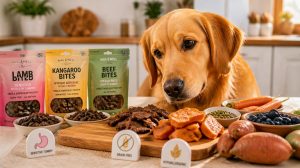
Of all the nutrients a dog needs to thrive, protein arguably sits at the top of the list. Dogs are biologically designed to thrive on a diet rich in animal protein, and the quality and quantity of protein they receive has a direct impact on almost every system in their body. Understanding why protein matters and how to assess the quality of what your dog is eating will help you make smarter choices for their long-term health.
What Protein Does in the Body
Protein is the primary building material for virtually every structure and function in your dog’s body. It provides the amino acids that are used to build and repair muscle tissue, which is why protein is so critical for maintaining healthy muscle mass throughout a dog’s life. Without sufficient quality protein, dogs can lose muscle mass over time, leading to weakness and reduced mobility.
Beyond muscle, protein is essential for the production of enzymes that facilitate thousands of biochemical reactions, hormones that regulate bodily functions, and antibodies that form the basis of the immune system. A dog with inadequate protein intake is not just at risk of losing muscle; their immune function, wound healing, and overall metabolic health are all compromised.
Protein also contributes to energy production, particularly when carbohydrate intake is lower. While fats are the primary fuel source for dogs, protein can be converted to energy when needed, making it a versatile and fundamental nutrient.
The Importance of Protein Quality
Not all protein is equal, and the source and quality of the protein your dog consumes matters enormously. Protein quality is largely determined by its amino acid profile and bioavailability, which refers to how efficiently the body can actually use the protein after digestion.
Animal-based proteins, such as those from chicken, beef, fish, lamb, and kangaroo, are considered complete proteins because they contain all the essential amino acids that dogs cannot synthesise themselves. They are also highly bioavailable, meaning the body can absorb and use them efficiently.
Plant-based proteins, such as those from corn, soy, or wheat, are less complete and less bioavailable for dogs. Many commercial dog foods and treats use these cheaper plant proteins to boost their stated protein percentage on the label, but the actual nutritional contribution to your dog is considerably lower than the number would suggest.
How to Assess Protein Quality on Labels
Reading ingredient labels is one of the most useful skills a dog owner can develop. Ingredients are listed in order of weight, so a product where a named meat, such as chicken or salmon, appears first is prioritising animal protein appropriately. Be cautious of products where meat appears well down the list after multiple grain or starch ingredients.
The term “meal” after a protein source, as in “chicken meal,” indicates a concentrated dried protein that can actually have a high protein content. However, generic terms like “meat meal” or “animal by-products” without specifying the species are best avoided, as they lack transparency about what is actually in the product.
For treats in particular, single-ingredient options are the most transparent. A treat made from nothing but dried kangaroo or salmon tells you exactly what your dog is getting, with no ambiguity about protein source or quality.
Protein Needs Across Life Stages
Protein requirements vary across different life stages, but the need for quality protein never disappears. Puppies need high levels of protein to support their rapid growth and development. Adult dogs need sufficient protein to maintain muscle mass and support all their bodily functions. Senior dogs, as discussed elsewhere, may actually need more high-quality protein than younger adults because their bodies become less efficient at utilising it.
Dogs that are highly active or working have elevated protein needs, as do dogs recovering from illness or surgery. Your veterinarian can guide you on appropriate protein levels for your dog’s specific situation.
Protein in Treats
Treats are a meaningful contributor to your dog’s daily protein intake, particularly if they are given frequently. Choosing treats made from high-quality animal proteins means that every reward also delivers genuine nutritional value rather than empty calories.
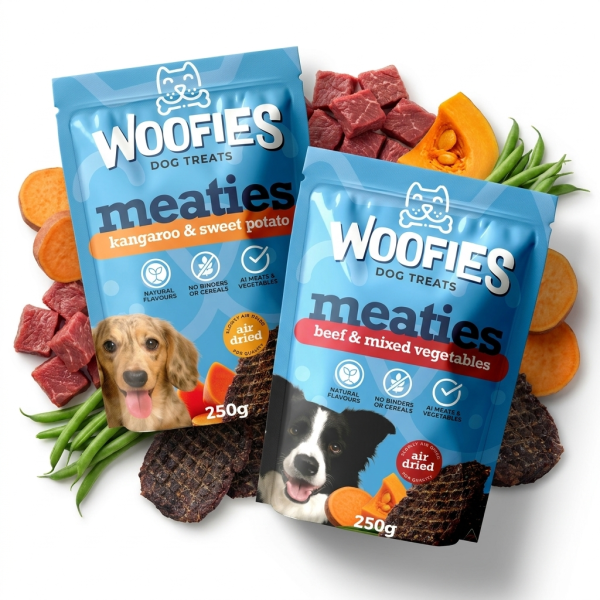
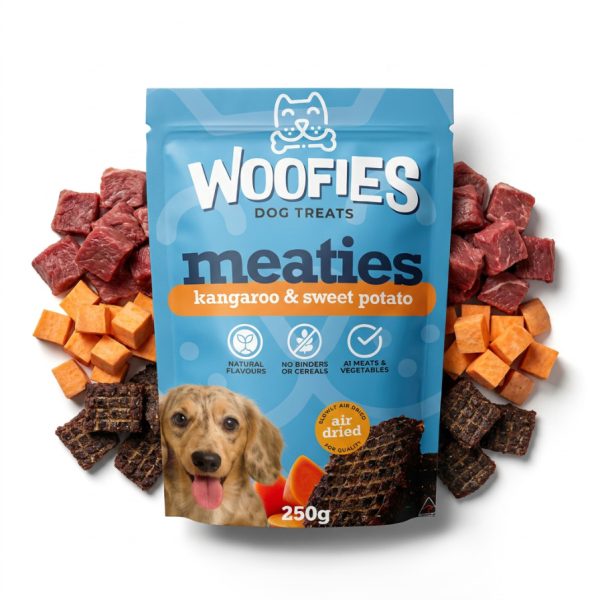
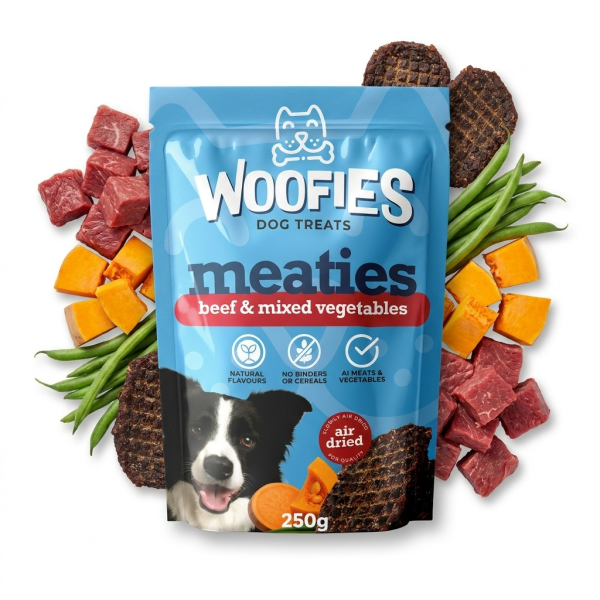
At Woofies, our natural dog treats are made with real Australian proteins, giving your dog the amino acids they need to maintain muscle, support their immune system, and thrive. Protein-rich, natural treats are not just a reward for your dog. They are an investment in their ongoing health and vitality.
—
Frequently Asked Questions
Why is protein so important in a dog’s diet?
Protein matters for dogs because it provides the essential amino acids needed to build and repair muscles, produce enzymes and hormones, and support a healthy immune system. Unlike humans, dogs have a relatively high dietary protein requirement and cannot thrive long-term on low-protein diets. Every cell in your dog’s body depends on adequate protein intake, which is why it is the most important macronutrient to get right.
How can I tell if a dog food has good quality protein?
Assessing protein quality is central to understanding why protein matters for dogs. Look for named animal protein sources like chicken, kangaroo, lamb, or fish listed as the first ingredient, rather than vague terms like meat meal or animal by-products. High-quality proteins are more bioavailable, meaning your dog’s body can actually use a greater proportion of what they consume.
Does protein help with a dog’s immune system?
Yes, protein matters for dogs not just for muscle maintenance but also for immune function. Antibodies, which are the proteins your dog’s immune system uses to fight off infections, are themselves made from dietary protein. A dog consistently eating low-quality or insufficient protein may be more susceptible to illness and slower to recover from injury or surgery.
Can dogs get too much protein in their diet?
For healthy adult dogs, eating a high-protein diet from quality sources is generally safe and well tolerated. However, protein matters for dogs in the context of their overall health, and dogs with pre-existing kidney disease may need a carefully managed protein intake as advised by a vet. The bigger concern for most pet owners is not getting too much protein, but rather not getting enough of the right quality.