Treats are one of the great joys of dog ownership. Whether you are rewarding good behaviour, bonding during a training session, or simply showing your dog some love, treats play an important role in daily life. But it is easy to go overboard, and overfeeding treats is one of the most common causes of weight gain in Australian dogs. So how many treats is actually too many?
The 10% Rule Explained
The golden standard in canine nutrition is the 10% rule: treats should make up no more than 10% of your dog’s total daily calorie intake. The remaining 90% should come from their balanced main meals. This rule exists because most treats, even natural ones, are not nutritionally complete. They are designed as supplements to the diet, not a replacement for it.
To apply the rule practically, you first need to know roughly how many calories your dog needs each day. A small dog weighing around 5kg might need 300 to 400 calories daily, while a large breed dog at 30kg could require 1,200 calories or more. That means your small dog has a treat budget of just 30 to 40 calories, whereas the larger dog has closer to 120. It sounds simple, but those calories add up quickly, especially with highly palatable treats.
Size and Weight Matter
Your dog’s size and current weight status are the biggest factors in determining treat frequency. A lean, active Labrador can handle more treat calories than a sedentary Cavalier King Charles Spaniel who is already carrying a few extra kilos. If your vet has flagged that your dog is overweight, treats may need to be reduced significantly or swapped for lower-calorie options like small pieces of carrot, zucchini, or single-ingredient natural treats with minimal fat content.
Always check the calorie information on your treat packaging. Many premium natural treats will list calories per piece or per 100g, which makes it much easier to track how much your dog is actually consuming throughout the day.
Training and Treat Frequency
Training sessions are where treat frequency can really blow out. If you are working through a new skill or behaviour, you might reward your dog dozens of times in a single session. This is completely fine, provided you account for those treats within the daily 10% allowance.
The best approach during high-frequency training is to use very small treats. A treat does not need to be large to be rewarding. A piece the size of a pea is often enough to reinforce behaviour effectively, especially with food-motivated dogs. Breaking larger treats into smaller pieces is an easy way to stretch your treat budget across an entire training session without going over your dog’s daily limit.
It is also worth reducing your dog’s main meal slightly on days when training treat use is particularly high. This keeps the overall calorie balance in check without removing the joy of training rewards.
Natural Treats and Moderation
Choosing natural, single-ingredient treats can make treat management much easier. Highly processed treats often contain added sugars, artificial preservatives, and fillers that contribute empty calories and can affect your dog’s digestion and long-term health. Natural options like air-dried meat, fish skin, or dehydrated vegetables tend to be more nutrient-dense and often more satisfying for dogs, meaning a smaller amount goes a long way.
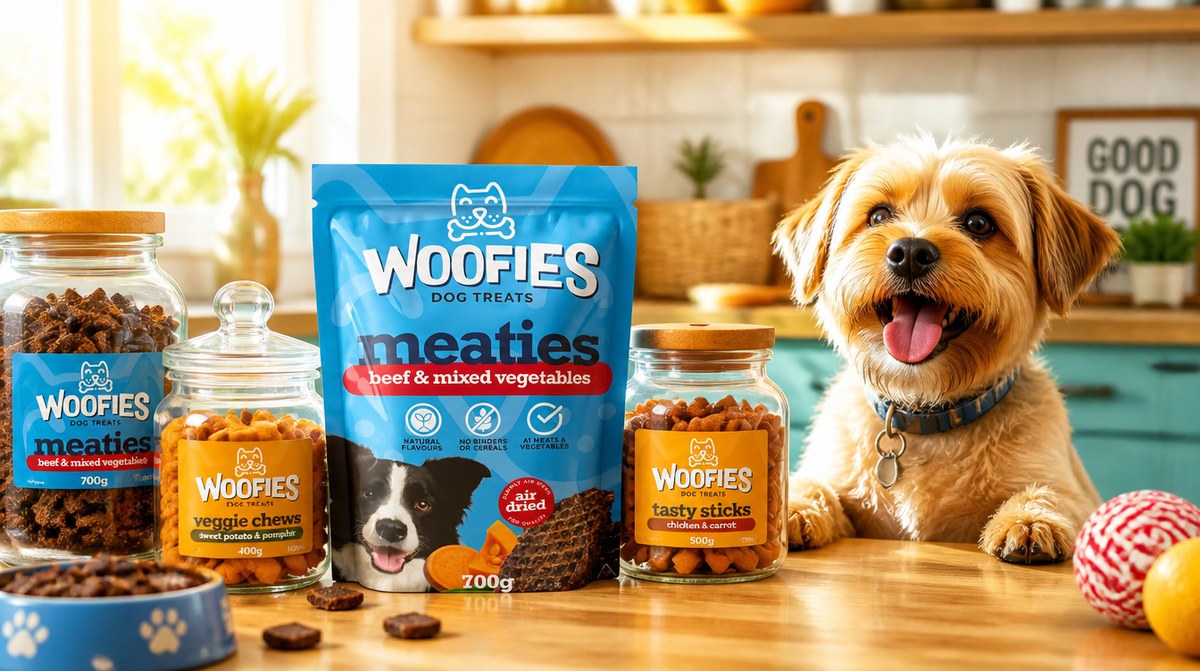
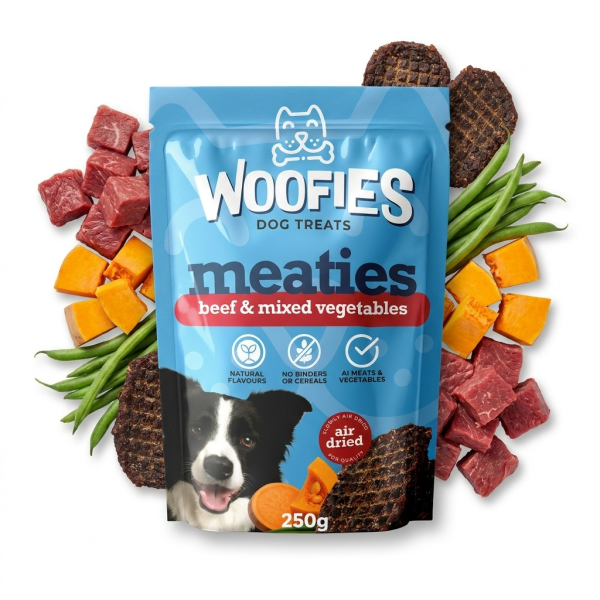
At Woofies, all treats are made from natural Australian ingredients with no artificial nasties, making it easier to offer your dog something genuinely wholesome without worrying about hidden additives inflating their calorie count.
A Practical Daily Treat Plan
A reasonable approach for most healthy adult dogs is two to three small treats per day outside of training, with additional training rewards counted and adjusted accordingly. Puppies and senior dogs may have different requirements, and dogs with health conditions like diabetes, kidney disease, or pancreatitis may need their treat intake monitored more closely. When in doubt, speak to your vet, who can give you a specific calorie target based on your individual dog’s needs.
Treats are meant to bring joy to your dog’s day, and with a little planning, they absolutely can, without compromising their health.
—
Frequently Asked Questions
How many treats can a dog have per day?
The general rule is that treats should make up no more than 10% of your dog’s daily calorie intake. For a small dog eating around 400 calories a day, that’s only about 40 calories worth of treats, so it adds up quickly. Always check the calorie content on the treat packet and adjust meal portions accordingly.
Does the 10% treat rule apply to all dog sizes?
Yes, the 10% rule applies to all dogs regardless of size, but the actual number of treats will vary significantly. A large dog might comfortably have several treats a day, while a small dog may only be able to have one or two before hitting their daily limit. Knowing your dog’s ideal daily calorie intake is the best starting point.
Can too many treats make a dog overweight?
Absolutely, overfeeding treats is one of the most common causes of weight gain in dogs. Even natural treats contain calories, and those calories count just as much as the ones in your dog’s main meals. If your dog is getting a lot of treats during training, reduce their meal size slightly to compensate.
What factors affect how many treats a dog can have each day?
Your dog’s weight, age, activity level, and overall health all influence how many treats are appropriate each day. Senior dogs and less active dogs generally need fewer calories overall, which means fewer treats. Dogs with conditions like diabetes or obesity may need stricter limits, so it’s worth checking with your vet.