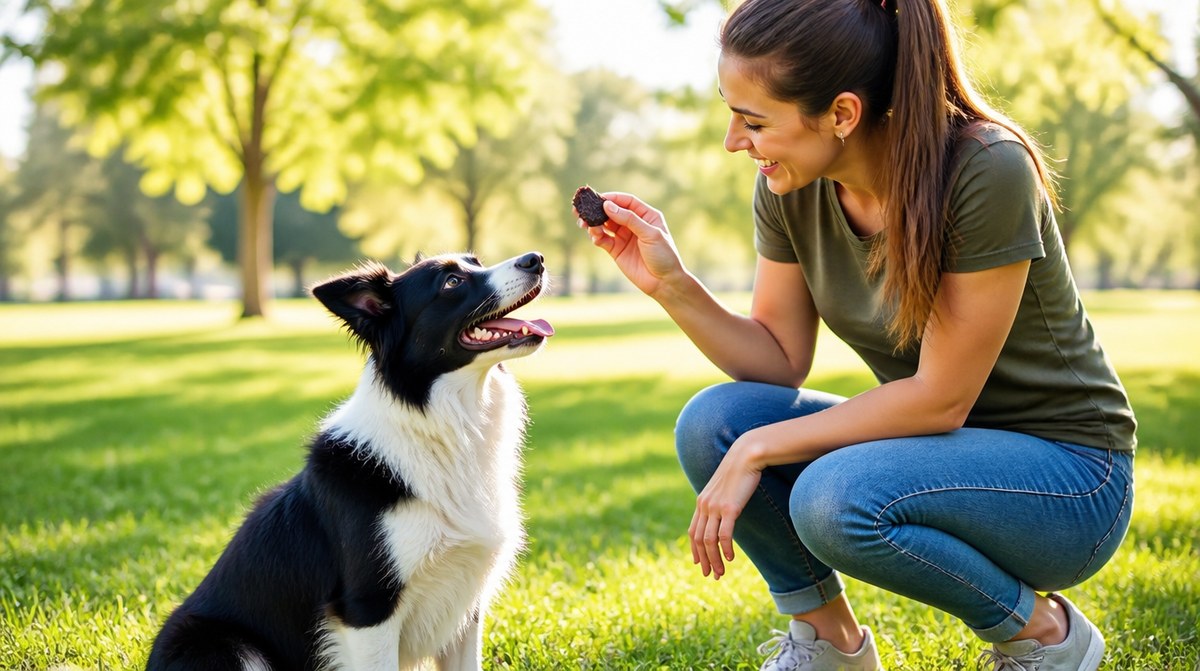
One of the most common questions in dog training is how often rewards should be given. The answer depends on timing, behaviour complexity, and where the dog is in their learning journey.
Reward frequency is not just about generosity – it’s about shaping behaviour effectively.
The Role of Timing in Dog Training
Dogs don’t understand delayed consequences the way humans do. They associate rewards with what is happening immediately after the behaviour.
This means:
Timing is more important than quantity
Consistency builds clarity
Random rewards build resilience later in training
Early Training: Reward Every Success
In the learning phase, dogs should be rewarded:
Every correct behaviour
Immediately after the action
Without delay or confusion
This is called continuous reinforcement, and it builds fast learning.
Example:
Sit → treat
Come → treat
Stay → treat (release → treat)
Intermediate Training: Begin Fading Rewards
Once the behaviour is understood, you can begin transitioning to:
Every 2nd or 3rd correct response
Variable reward timing
Mixed reinforcement (treat + praise)
This phase prevents dependency while maintaining motivation.
Advanced Training: Variable Reinforcement Schedule
At this stage, dogs respond well to unpredictability.
Rewards may be:
Randomised
Based on difficulty
Given as “jackpot” rewards for exceptional performance
This mirrors behavioural psychology principles used in habit formation.
Why Variable Rewards Work So Well
Variable reinforcement creates stronger long-term behaviour because the dog never knows when a reward is coming.
This leads to:
Increased focus
Higher persistence
Stronger behavioural retention
It is the same principle used in many learning systems across psychology.
Over-Rewarding vs Under-Rewarding
Over-rewarding risks:
Weight gain
Reduced motivation
Expectation without effort
Under-rewarding risks:
Slow learning
Frustration
Reduced engagement
Balance is key.
Treat Size Matters More Than Frequency
You can reward frequently if treats are:
Small
Low-calorie
Easy to consume
This allows high repetition without overfeeding.
Summary
Reward frequency should evolve with training progress:
Early: every success
Mid: intermittent rewards
Advanced: variable reinforcement
Timing and consistency matter more than quantity alone.
Can you give a dog too many treats during training?
Yes, it is possible to over-treat your dog during training, which can lead to weight gain and reduce the dog’s appetite for their regular meals. Keeping training treat rewards small, using low-calorie natural treats, and adjusting meal portions on heavy training days helps keep everything in balance.
When is the best time to reward a dog during training?
Timing is everything in dog training. The reward should be delivered within one to two seconds of the desired behaviour so your dog can clearly connect the action with the treat. Delayed rewards cause confusion and slow down the learning process, so having treats ready to go before you start is essential.
Should treats make up part of my dog’s daily food intake?
Yes, treats should be counted as part of your dog’s overall daily calorie intake, not given on top of full meals. A general guideline is that treats should account for no more than 10 percent of your dog’s daily calories. Choosing low-calorie natural dog treats makes it easier to reward generously without impacting their diet.
Frequently Asked Questions
How often should you give your dog treats during training?
During active training sessions, you can reward your dog with treats quite frequently, especially when teaching new behaviours. The key is to use small treat pieces and gradually reduce the frequency as your dog becomes more reliable with a command, transitioning towards intermittent rewards to maintain the behaviour long-term.
Can you give a dog too many treats during training?
Yes, it is possible to over-treat your dog during training, which can lead to weight gain and reduce the dog’s appetite for their regular meals. Keeping training treat rewards small, using low-calorie natural treats, and adjusting meal portions on heavy training days helps keep everything in balance.
When is the best time to reward a dog during training?
Timing is everything in dog training. The reward should be delivered within one to two seconds of the desired behaviour so your dog can clearly connect the action with the treat. Delayed rewards cause confusion and slow down the learning process, so having treats ready to go before you start is essential.
Should treats make up part of my dog’s daily food intake?
Yes, treats should be counted as part of your dog’s overall daily calorie intake, not given on top of full meals. A general guideline is that treats should account for no more than 10 percent of your dog’s daily calories. Choosing low-calorie natural dog treats makes it easier to reward generously without impacting their diet.