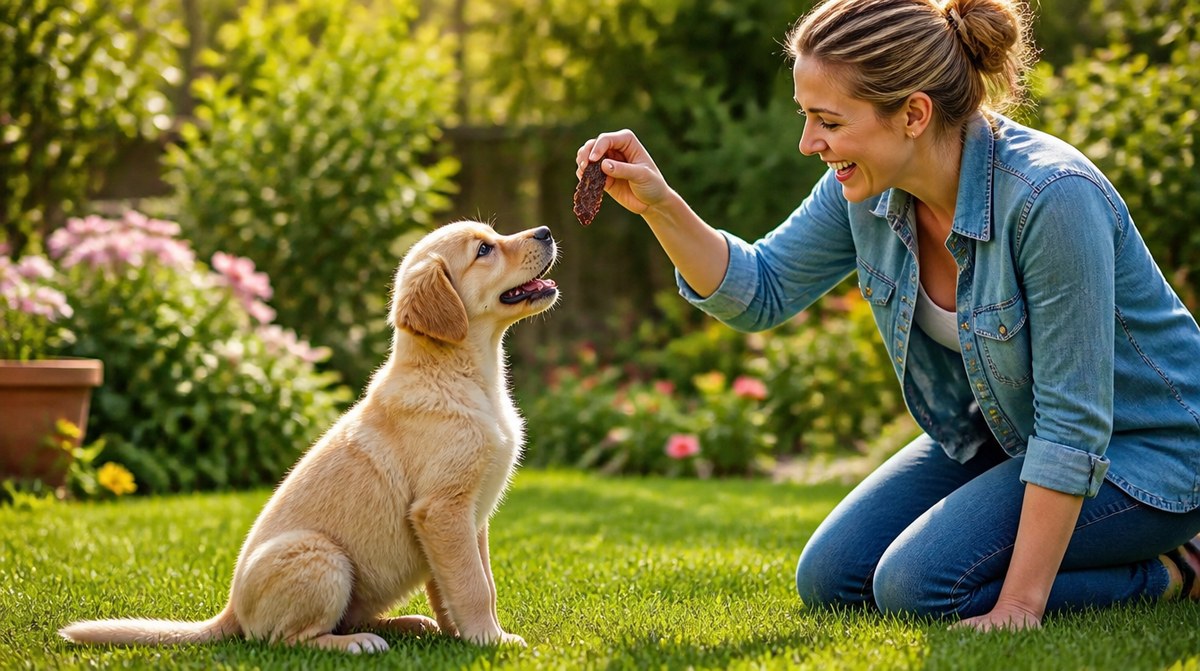
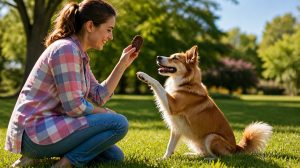
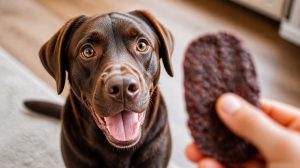
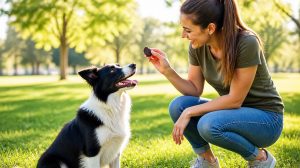
Training a puppy is one of the most rewarding stages of dog ownership – but also one of the most demanding. Puppies are constantly learning how to interact with their environment, and treats play a central role in shaping that behaviour.
However, not all treats are suitable for puppies. The right choice can accelerate learning, while the wrong one can slow progress, cause distraction, or even lead to overfeeding issues.
Why Treat Choice Matters in Puppy Training
Puppies learn through association. Every behaviour is reinforced by a consequence – positive or negative. Treats act as a powerful positive reinforcement tool because they create an immediate reward loop.
But puppies differ from adult dogs in key ways:
Smaller stomach capacity
Shorter attention spans
More frequent training sessions
Developing digestive systems
This means treat selection must be more precise.
The Ideal Characteristics of Puppy Training Treats
The best puppy training treats share four core traits:
1. Small Size
Puppies require rapid reinforcement without interruption. Treats should be:
Pea-sized or smaller
Easy to chew quickly
Low mess
Small treats allow for repeated reinforcement without filling the puppy up too quickly.
2. Soft Texture or Quick Breakdown
Hard chews slow training momentum. Puppies should be able to consume rewards instantly so they can refocus on the next command.
Ideal textures include:
Soft bites
Freeze-dried crumble
Air-dried thin slices
3. High Palatability
Puppies are easily distracted. A treat must be motivating enough to compete with the environment.
Best options include:
Chicken
Beef liver
Salmon-based treats
Strong aroma = higher engagement.
4. Simple Ingredients
Puppies are more sensitive to additives and fillers. The best treats contain:
Single proteins
Minimal preservatives
No artificial flavours or colours
Best Treat Types for Puppies
Soft Training Bites
These are specifically designed for repetition training. They are small, chewy, and low in calories.
Freeze-Dried Protein Treats
Highly palatable and lightweight. Easy to break into smaller pieces.
Air-Dried Meat Strips
Can be torn into tiny rewards. Excellent natural aroma.
Single-Ingredient Treats
Ideal for sensitive puppies or elimination diets.
What to Avoid for Puppies
Avoid:
Large biscuits or hard chews
High-fat treats during frequent training
Artificially flavoured treats
High-calorie rewards used too often
These can disrupt training rhythm or contribute to weight gain.
Training Tip: Treat Rotation Strategy
Puppies can lose interest quickly. Rotate between:
Low-value everyday treats
High-value “jackpot” rewards
Play-based rewards (tug, praise)
This keeps motivation high without overfeeding.
Summary
The best puppy training treats are small, soft, high-value, and simple. When chosen correctly, treats become a powerful communication tool – not just a reward.
How small should training treats be for a puppy?
Puppy training treats should be no bigger than a pea so your pup can eat them in one bite without losing focus. Small treats also allow you to reward frequently throughout a training session without overfeeding. Breaking larger natural treats into smaller pieces is an easy and cost-effective approach.
Can I use natural dog treats for puppy training?
Yes, natural dog treats are a great choice for puppy training because they avoid artificial additives and unnecessary fillers that could upset a puppy’s sensitive digestive system. Soft, air-dried meat treats in particular are highly palatable and easy to portion into training-sized pieces.
How many treats should a puppy have during training?
During puppy training, treats should make up no more than 10 percent of your pup’s daily calorie intake to avoid nutritional imbalances or weight gain. Using very small treat pieces means you can reward generously throughout a session while staying within a healthy daily limit.
Frequently Asked Questions
What are the best treats for puppy training?
The best treats for puppy training are small, soft, and smelly enough to hold your puppy’s attention. Natural treats like tiny pieces of air-dried meat or soft single-ingredient chews work brilliantly because they are high in protein, easy to eat quickly, and do not distract your puppy from the lesson at hand.
How small should training treats be for a puppy?
Puppy training treats should be no bigger than a pea so your pup can eat them in one bite without losing focus. Small treats also allow you to reward frequently throughout a training session without overfeeding. Breaking larger natural treats into smaller pieces is an easy and cost-effective approach.
Can I use natural dog treats for puppy training?
Yes, natural dog treats are a great choice for puppy training because they avoid artificial additives and unnecessary fillers that could upset a puppy’s sensitive digestive system. Soft, air-dried meat treats in particular are highly palatable and easy to portion into training-sized pieces.
How many treats should a puppy have during training?
During puppy training, treats should make up no more than 10 percent of your pup’s daily calorie intake to avoid nutritional imbalances or weight gain. Using very small treat pieces means you can reward generously throughout a session while staying within a healthy daily limit.