The dog treat market has never been more crowded. Walk into any pet store or search online and you are faced with an overwhelming array of shapes, flavours, textures, and promises. Choosing the right treat for your dog can feel like a guessing game, but with a few straightforward considerations, you can find options that are both enjoyable for your dog and genuinely good for them.
Consider Your Dog’s Age
Age is one of the first factors to think about when selecting a treat. Puppies have different nutritional needs and physical capabilities than adult dogs, and seniors have different requirements again. Young puppies benefit from soft, small treats that are easy to chew and will not overwhelm their developing digestive systems. Look for treats that are gentle on the stomach and free from strong additives or excessive fat.
Adult dogs in good health have the most flexibility. They can enjoy a wide variety of treat textures and flavours, provided the calorie content is managed appropriately. Senior dogs often do better with softer textures due to dental wear or sensitivity, and they may benefit from treats that contain joint-supporting nutrients like omega-3 fatty acids.
Match the Treat to Your Dog’s Size
Size is not just about how big the treat looks. It is about calorie density, portion appropriateness, and choking safety. A large dog biscuit is not appropriate for a Chihuahua, not only because of the portion size but because the calorie content of a single treat might represent a significant chunk of a small dog’s entire daily allowance.
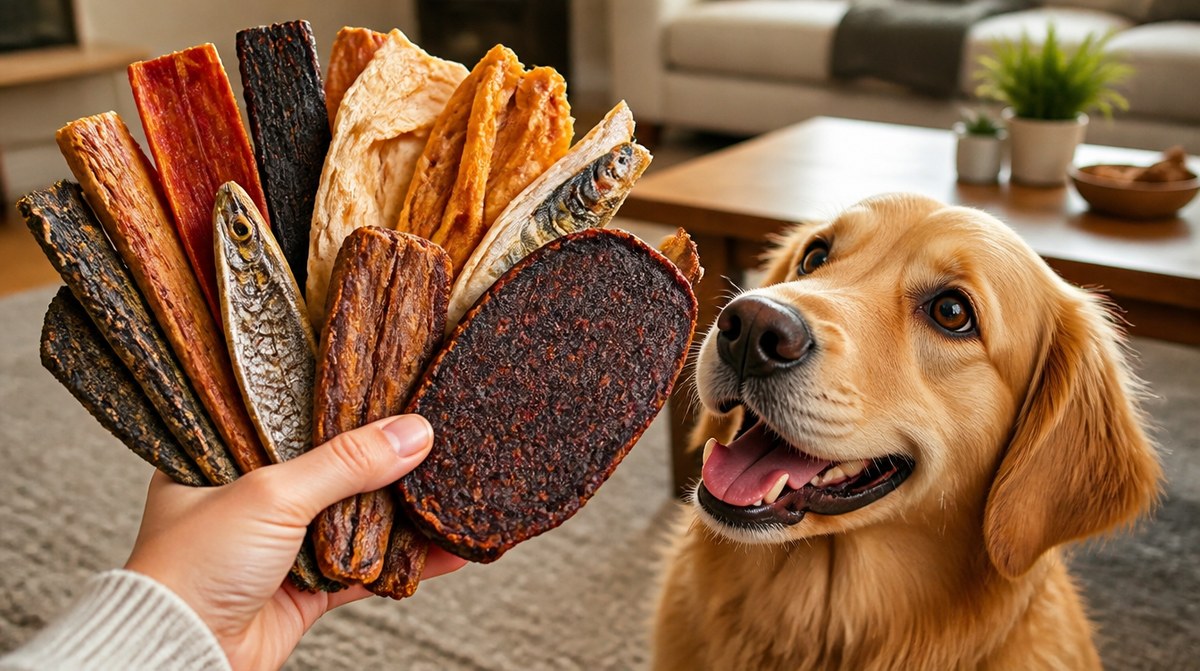
Always check whether treats come in size-appropriate options or can be broken into smaller pieces. Natural treats like air-dried meat strips or dehydrated chews are particularly versatile because you can customise the portion size to suit your dog exactly. Treats marketed specifically for small breeds are also worth seeking out, as they are typically formulated with the appropriate calorie density in mind.
Factor in Health Status
A dog’s current health status should heavily influence treat selection. Dogs with known food allergies or intolerances need treats with limited ingredients so that potential triggers can be easily identified and avoided. Single-ingredient treats are the gold standard here. If your dog is sensitive to chicken, for example, a treat that contains only dried fish or beef eliminates the guesswork.
Dogs with weight issues need lower-calorie treat options. Dogs with kidney disease may need to avoid high-protein treats. Dogs with pancreatitis require low-fat options. Dogs with diabetes benefit from treats with minimal sugar content. If your dog has any ongoing health condition, it is always worth discussing treat choices with your vet before making a change.
Evaluate the Ingredient List
Reading a treat label is one of the most valuable skills a dog owner can develop. The ingredient list tells you everything. Ingredients are listed in descending order by weight, so the first ingredient is the most prominent. You want to see a recognisable protein source, such as chicken, beef, lamb, or fish, at the top of the list.
Watch for red flags like artificial colours, artificial preservatives (such as BHA, BHT, or ethoxyquin), added sugars, and excessive fillers like corn syrup or wheat derivatives. These additives serve the manufacturer’s interests, not your dog’s health, and they can contribute to everything from weight gain and digestive issues to behavioural problems in sensitive dogs.
Prioritise Natural, Australian-Made Options
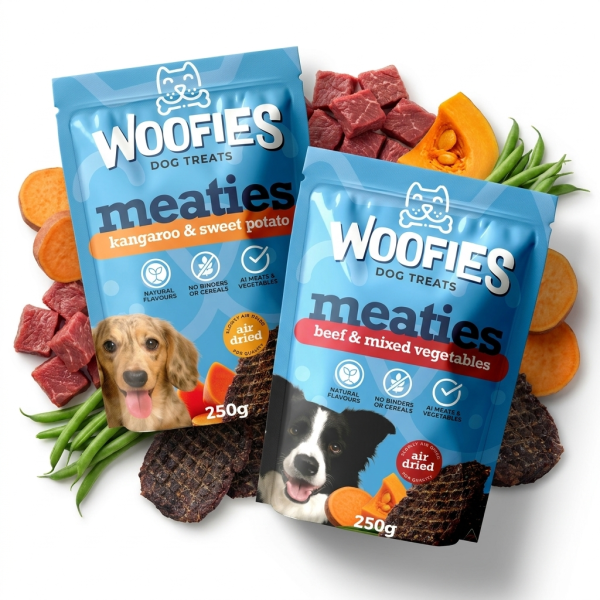
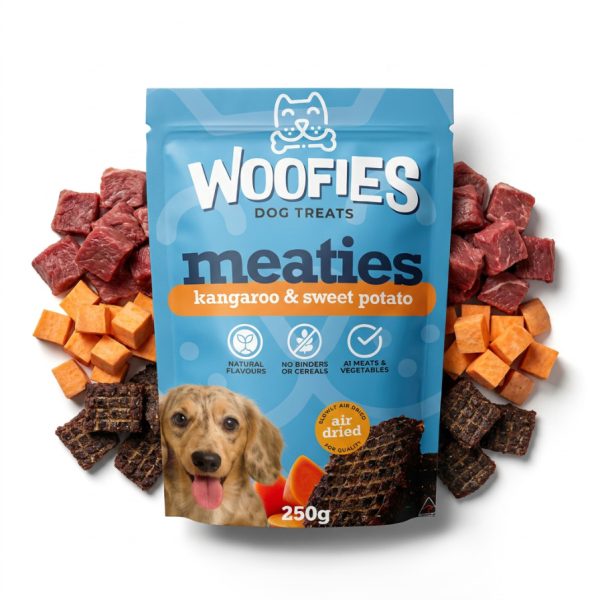
Australian-made treats have the advantage of being subject to local food safety standards, and many Australian brands source their ingredients locally, which supports traceability and quality. Natural treats made from Australian proteins like kangaroo, beef, and lamb are not only nutritionally excellent but also tend to be novel proteins that many dogs have not been previously exposed to, making them great options for dogs with sensitised immune systems.
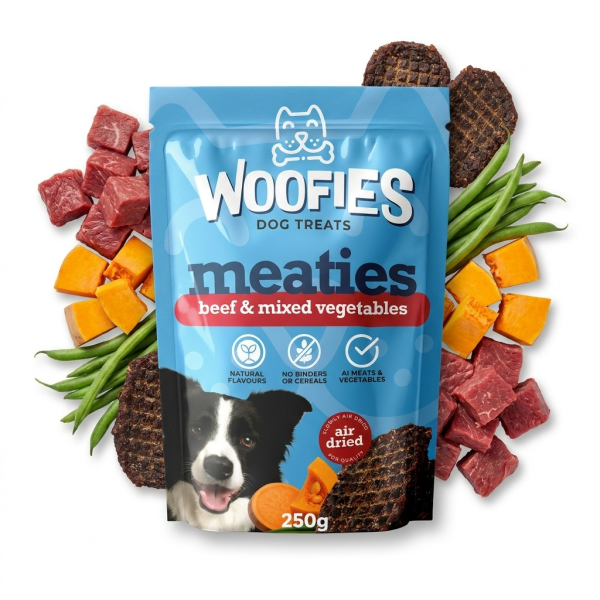
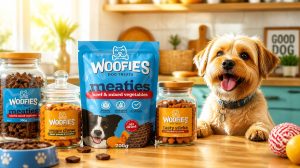
At Woofies, the commitment to natural ingredients means no artificial nasties, just wholesome Australian ingredients your dog can enjoy safely. Choosing a brand with transparent sourcing and clear labelling means you can feel genuinely confident in every treat you offer.
The Treat Checklist
Before you buy, run through a quick mental checklist. Is the treat appropriate for your dog’s size and age? Does the ingredient list lead with a real protein source? Are there any known allergens for your dog in the ingredients? Is the calorie content manageable within your dog’s daily allowance? Is the treat made or sourced in Australia with clear provenance?
Getting the right treat is not complicated once you know what to look for. Take a moment at the shelf or on the product page, and your dog will thank you for it.
—
Frequently Asked Questions
How do I choose the right treat for my dog?
Choosing the right treat for your dog starts with considering their age, size, health status, and what you’re using the treat for. A puppy needs something small and easy to digest, while a senior dog may need a softer option that’s gentle on ageing teeth. Always read the ingredient list and opt for natural, single-ingredient treats with no added fillers, colours, or preservatives.
What ingredients should I avoid in dog treats?
When choosing a treat for your dog, steer clear of artificial colours, flavours, and preservatives like BHA, BHT, and ethoxyquin. Treats with high sugar, salt, or fat content can contribute to obesity and other health issues over time. Natural dog treats with a short, recognisable ingredient list are almost always the safer and healthier choice.
Should I choose different treats for different life stages?
Yes, your dog’s life stage makes a real difference to what treat is appropriate. Puppies benefit from small, soft treats that are easy on developing teeth and digestive systems. Senior dogs often do better with lower-calorie, easily chewable options, while adult dogs in good health have the most flexibility when it comes to treat variety.
How do I pick a treat for a dog with health issues?
If your dog has a health condition like allergies, kidney disease, pancreatitis, or obesity, treat selection becomes especially important and is worth discussing with your vet. Dogs with food sensitivities often do best with single-protein treats made from novel meats like kangaroo or venison. Low-fat, low-calorie natural treats are a good general starting point for dogs managing weight or digestive issues.