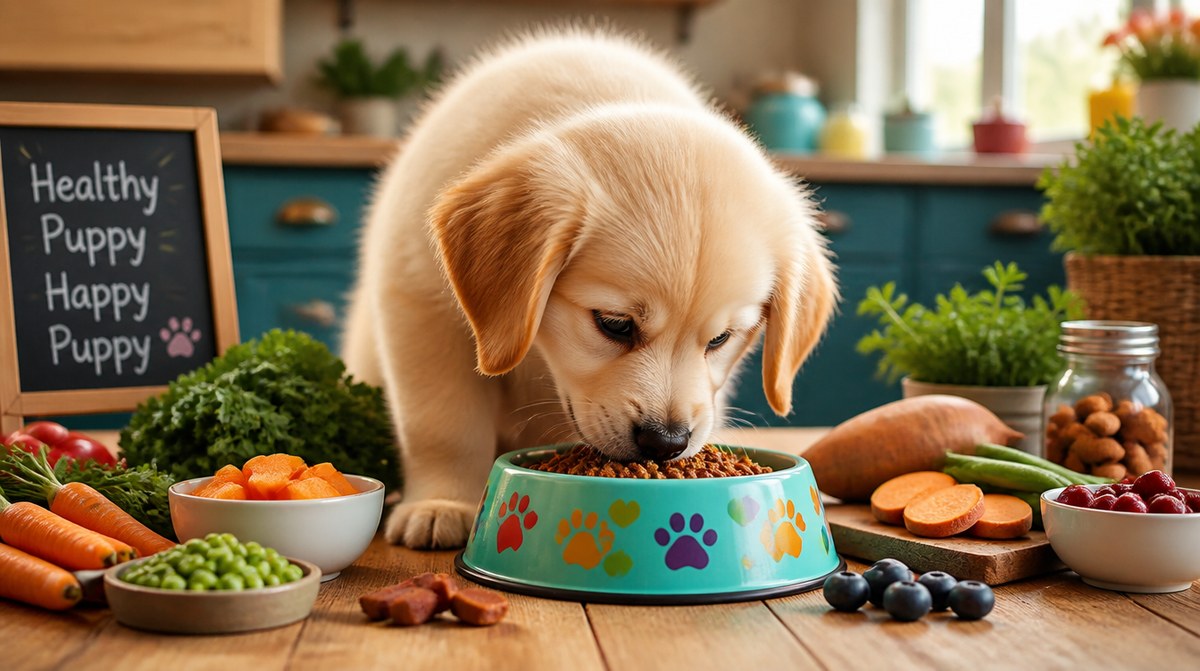
The habits and patterns established in puppyhood have a profound influence on a dog’s health, behaviour, and quality of life for years to come. This is perhaps most true when it comes to nutrition. What a puppy eats, how often they eat, how they relate to food, and the quality of ingredients they are raised on all contribute to the dog they will become. Getting this foundation right is one of the most valuable gifts you can give your new companion.
Why Early Nutrition Matters So Much
The puppyhood period is a time of extraordinary growth and development. In the space of just a few months, a puppy’s bones, muscles, organs, brain, and immune system are all developing at a rapid pace. The nutrients required to fuel this process must come from food, and the quality of that food directly influences the quality of the development it supports.
A diet rich in high-quality protein supports strong muscle development and tissue repair. Appropriate levels of calcium and phosphorus, in the right ratio, are essential for healthy bone and joint formation. Omega-3 fatty acids from quality sources support brain development and visual acuity. Antioxidants from whole food ingredients strengthen the immune system. Each of these outcomes depends on the quality of the ingredients in your puppy’s diet.
Beyond physical development, early nutrition also influences long-term disease risk. Dogs raised on high-quality, natural diets tend to maintain healthier body weights, have better gut health, and may be less prone to chronic conditions such as skin allergies, digestive disorders, and joint disease later in life.
Establishing a Feeding Routine
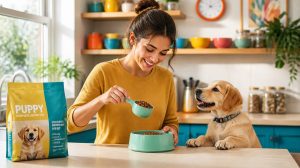
Structure is one of the most powerful tools you have as a new puppy owner, and a consistent feeding routine is the foundation of that structure. Feeding at the same times each day, in the same location, and in amounts calibrated to your puppy’s needs creates predictability that benefits both digestion and behaviour.
Puppies who eat on a schedule develop digestive rhythms that support more regular and predictable toileting, which is a significant advantage during the toilet training phase. They also tend to be calmer around food, because they learn that meals appear reliably and there is no need to rush or guard resources.
Avoid leaving food down all day for a puppy to graze on. While this approach, known as free feeding, may seem convenient, it makes it very difficult to monitor how much your puppy is actually eating, can contribute to overfeeding, and removes the structure that supports training and routine.
Choosing Quality Food and Treats from the Start
The ingredients in your puppy’s food and treats matter enormously. In a market flooded with options, it can be challenging to identify what genuinely constitutes quality, but there are some reliable markers to look for.
High-quality puppy food will list a named animal protein, such as chicken, lamb, or beef, as the first ingredient. It will be free from artificial colours, flavours, and preservatives. It will carry a nutritional adequacy statement indicating it is complete and balanced for puppies. And it will be manufactured by a brand that is transparent about its ingredients and sourcing.
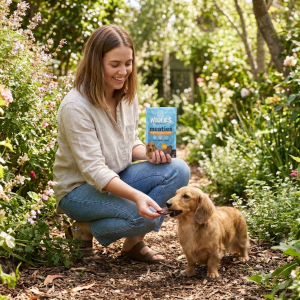
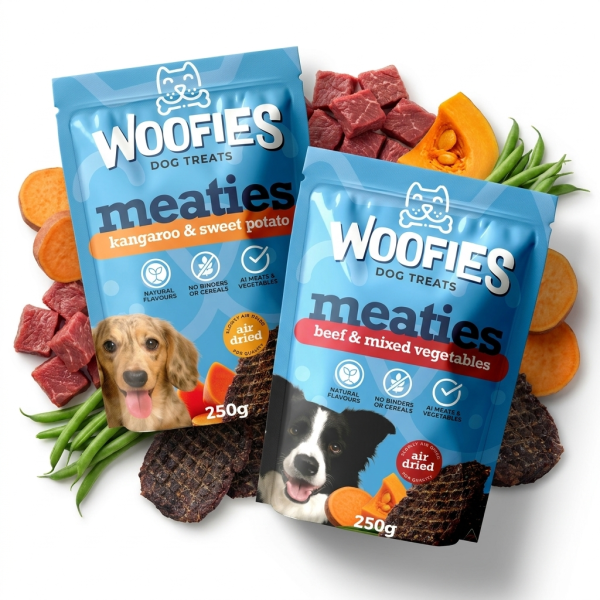
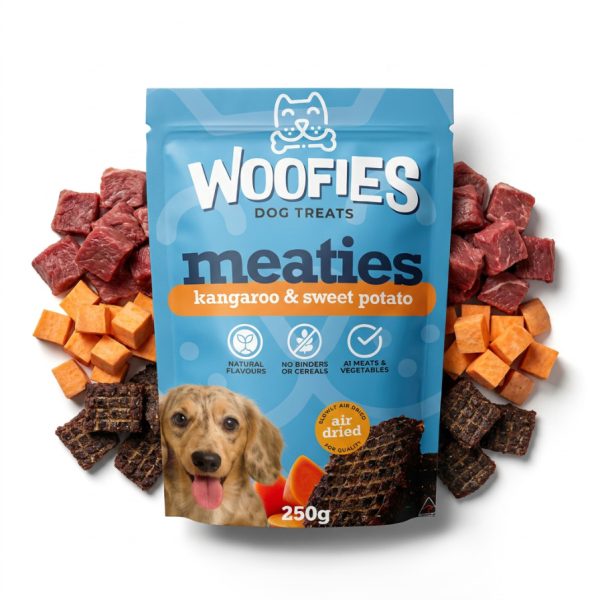
The same principles apply to treats. Natural, single-ingredient or minimal-ingredient treats made from quality proteins and whole food ingredients are the best choice for puppies. These treats support training without introducing unnecessary additives, and they provide genuine nutritional value rather than empty calories. Look for treats that are appropriately sized and textured for your puppy’s age and size, and always factor treat calories into your puppy’s daily intake.
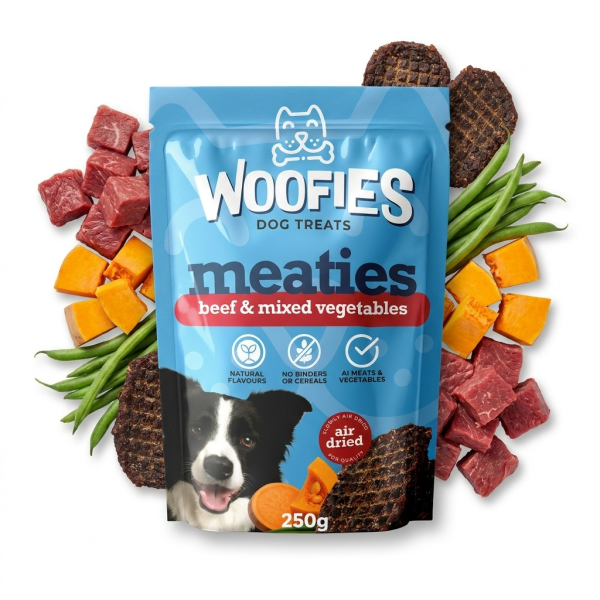
At Woofies, we believe that natural ingredients should be the standard, not the exception. Our treats are made from real whole foods, chosen because they are genuinely good for dogs, and that philosophy is particularly important when it comes to puppies whose dietary foundations are still being laid.
The Long-Term Benefits of Getting It Right Early
Dogs who are raised on quality nutrition and consistent feeding routines tend to be healthier, more energetic, and easier to maintain at an appropriate body weight throughout their lives. The gut microbiome established in puppyhood influences immune function and digestive health well into adulthood. Healthy eating behaviours, including a calm relationship with food, appropriate portions, and minimal dependence on rich human food, are far easier to establish early than to correct later.
Investing time and thought into your puppy’s nutrition in these early months pays dividends that last a lifetime. The choices you make now about food quality, routine, and treat selection shape the dog your puppy will grow into, and a dog raised on a strong nutritional foundation has the best possible start for a long, healthy, and happy life.
Frequently Asked Questions
How do I build healthy eating habits in my puppy?
Building healthy eating habits in puppies starts with establishing a consistent feeding routine, choosing high-quality food appropriate for their age and size, and limiting treats to no more than 10% of their daily intake. The habits formed in the first few months of a puppy’s life tend to shape their relationship with food well into adulthood.
What should I look for when choosing food for my puppy?
When choosing food for a puppy, look for products with a named protein source as the first ingredient, no artificial preservatives or colours, and a nutritional statement confirming the food meets puppy life stage requirements. Avoiding products that rely on fillers like corn syrup or generic meat by-products helps ensure your puppy gets genuine nutrition from the start.
Do early feeding habits affect a dog’s health as an adult?
Yes, the eating habits and food preferences established during puppyhood have a significant influence on a dog’s long-term health and behaviour around food. Puppies introduced to a variety of high-quality, natural ingredients early on are often less fussy as adults and have a lower risk of developing obesity and diet-related health conditions.
How can natural treats support healthy habits in puppies?
Natural treats with simple, wholesome ingredients are a great tool for reinforcing good behaviour and building positive associations with training without introducing artificial additives or excess sugar. Choosing single-ingredient natural treats as part of a structured routine helps puppies understand that food is a reward, not a free-for-all, which supports long-term healthy eating habits.