Teething is one of the most challenging phases of puppyhood, and not just for the puppy. Sore, itchy gums send puppies in search of anything they can chew, and if you are not prepared with appropriate options, that search often ends with your furniture or shoes. Understanding the teething process and choosing the right treats and chews can make this phase much more comfortable for your pup and much less stressful for you.
The Puppy Teething Timeline
Puppies are actually born without teeth, and their first set, the deciduous or baby teeth, begin to emerge from around two to four weeks of age. By the time a puppy is around eight weeks old, they typically have a full set of 28 baby teeth. The real teething challenge begins when these baby teeth start to be replaced by the 42 permanent adult teeth, a process that usually begins at around three to four months of age and continues until the puppy is approximately six to seven months old.
During this period, puppies experience genuine discomfort. The gums become sore and inflamed as teeth push through, and the instinct to chew is heightened as the puppy seeks relief. This is a completely normal developmental phase, but it does require careful management.
What Helps Sore Teething Gums
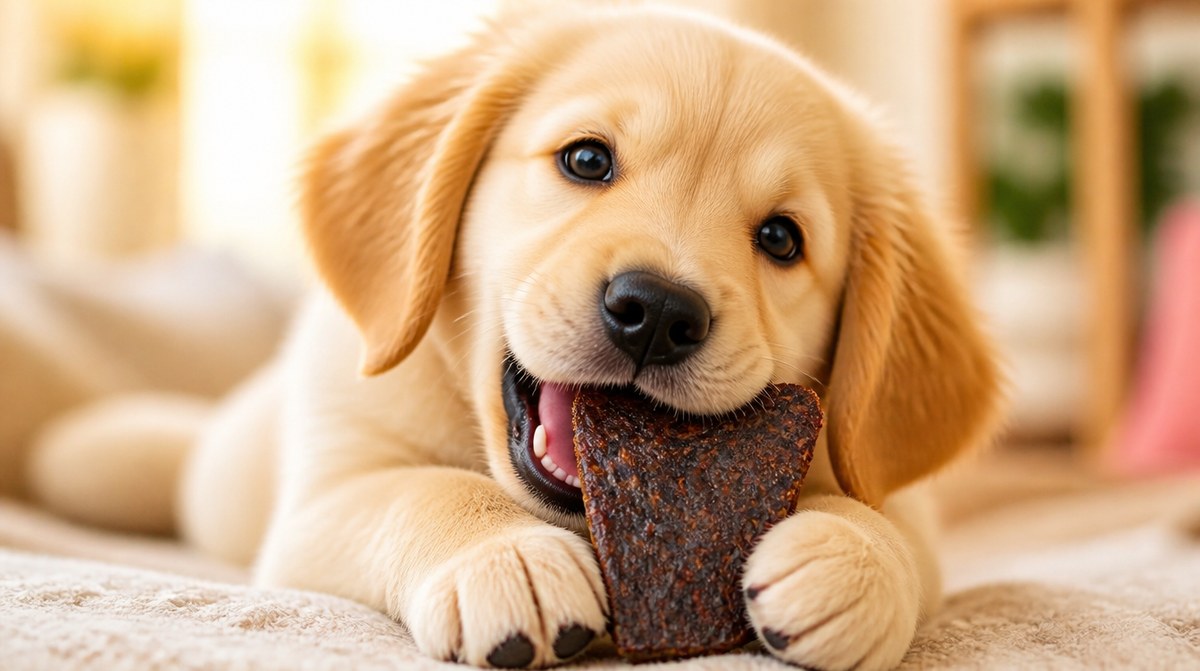
The goal when choosing chews and treats for a teething puppy is to provide relief without introducing risk. Chewing itself is the primary relief mechanism: the pressure and motion of chewing helps soothe inflamed gum tissue and can ease discomfort as teeth continue to emerge.
Cold or chilled items are particularly soothing for teething puppies, as the temperature helps reduce inflammation. A clean, damp cloth that has been frozen, or a specially designed rubber teething toy that can be chilled, can provide real comfort. Some puppy owners also offer frozen treats, such as small portions of plain yoghurt or pureed pumpkin frozen in an ice cube tray, as a soothing and tasty option.
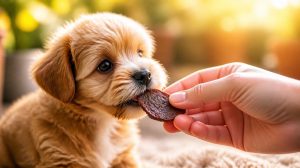
For edible treats during teething, soft natural options work best. Treats that are pliable, easy to chew, and gentle on sensitive gums are ideal. Freeze-dried or air-dried meat treats that soften slightly in the mouth are a good choice, as are natural treat options made from gentle, digestible ingredients.
Safe Chew Options for Teething Puppies
When selecting chew treats for a teething puppy, prioritise softness and digestibility. A useful rule of thumb is the thumbnail test: if you cannot make a dent in the chew with your thumbnail, it is probably too hard for a teething puppy. Very hard chews can crack or damage baby teeth, cause jaw strain, and pose a digestive risk if large pieces break off and are swallowed.
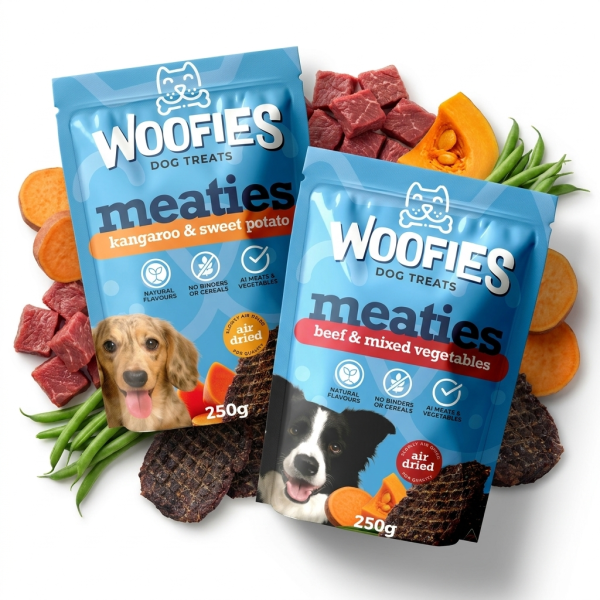
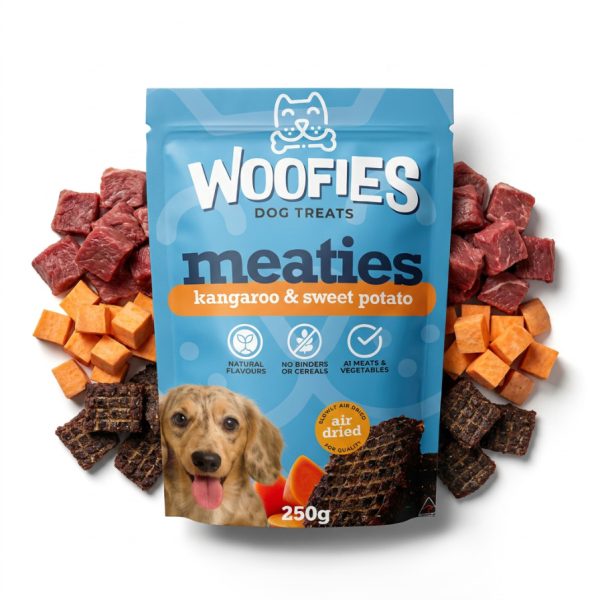
Natural dried meat treats, appropriate for puppies, are a great option. Look for single-ingredient or minimal-ingredient products made from quality proteins like chicken, kangaroo, or beef. These are digestible, satisfying, and tend to be softer than synthetic chews or heavily compressed rawhide alternatives.
What to Avoid During Teething
Hard chews such as bones, antlers, hooves, and very firm rawhide are not appropriate for teething puppies. These can cause tooth fractures, which are painful and costly to treat, and they can also present choking hazards if the puppy manages to break off a large chunk.
Rawhide in general is worth avoiding for puppies. It can swell significantly when wet, poses a choking and blockage risk, and is often treated with chemicals during processing. There are far safer and more natural options available.
Avoid giving puppies household items as chew substitutes, even if they seem harmless. Ice cubes from the freezer, while they seem benign, can be too hard for baby teeth. Sticks and garden materials can splinter or harbour bacteria. Stick to products that have been specifically developed with puppy safety in mind.
Supervision Is Always Essential
Regardless of what chew or treat you choose, always supervise your puppy during treat time. Even the safest treat can become a hazard if a puppy is left alone with it, particularly during the teething phase when puppies are chewing with more intensity and less control than usual.
Providing the right chew options during teething not only protects your belongings, it supports your puppy’s comfort through a natural but challenging developmental stage. With a little preparation and the right products, teething can be managed smoothly for both of you.
—
What are the best treats for teething puppies?
The best treats for teething puppies are those that provide a safe outlet for chewing without being so hard they risk cracking or damaging developing teeth. Natural options like bully sticks, dried sweet potato chews, or soft freeze-dried meat treats are popular choices that satisfy the urge to chew while being gentle on young mouths.
What treats should I avoid giving a teething puppy?
Hard treats like large compressed bones, antlers, or very firm chews should be avoided during teething as they can damage or fracture a puppy’s soft developing teeth. Also avoid any treats that are small enough to be swallowed whole or that contain artificial preservatives, as teething puppies tend to chew aggressively and swallow quickly.
Can chewing on treats help relieve teething pain in puppies?
Yes, chewing is one of the most natural ways puppies self-soothe during the teething process, as the gentle pressure helps relieve discomfort in their gums. Providing appropriate natural chew treats during this stage gives puppies a safe and satisfying outlet while keeping them away from your furniture and shoes.