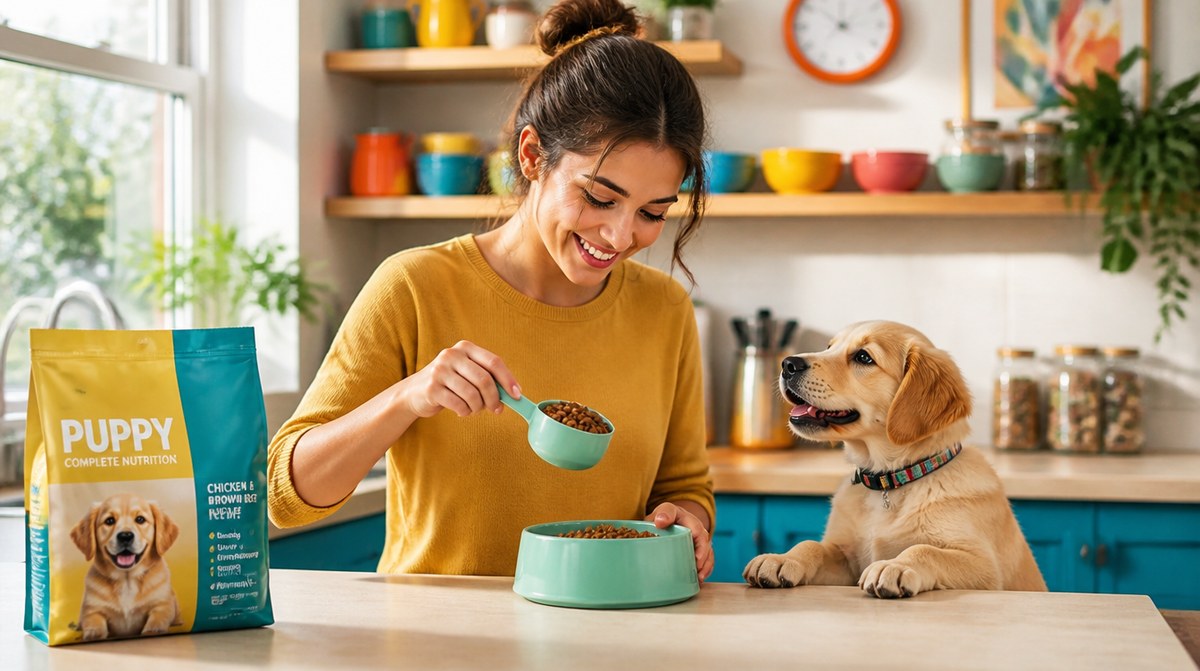
Getting puppy feeding right is one of the most important things you can do for your new dog’s long-term health. Feed too little and you risk stunted growth and nutritional deficiencies. Feed too much and you lay the groundwork for obesity and the health problems that come with it. Understanding how much to feed a puppy, and how that changes as they grow, takes a little knowledge but quickly becomes second nature.
Feeding Frequency by Age
Young puppies have small stomachs and high energy needs, which means they need to eat more frequently than adult dogs. As a general guide, puppies between eight and twelve weeks old should be fed four times per day. This frequency helps maintain stable blood sugar levels and ensures the puppy’s rapidly growing body has a constant supply of nutrients.
From three to six months, three meals per day is typically sufficient. The puppy’s digestive system is maturing and better able to handle longer gaps between meals, and portion sizes increase as the puppy grows. From six months onwards, most puppies can transition to two meals per day, which is the schedule most adult dogs maintain throughout their lives.
These are general guidelines, and individual puppies may vary. Breed size plays a significant role: toy and small breeds often need to remain on more frequent feeding schedules for longer to avoid hypoglycaemia, while large and giant breeds have their own specific requirements related to controlled growth rates.
How to Determine Portion Size
The starting point for portion sizes is the feeding guide on your puppy’s food packaging. These guides are calculated based on the puppy’s expected adult weight and current age, and they provide a useful baseline. However, they should be treated as a starting point rather than a rigid rule.
The best way to assess whether you are feeding the right amount is to monitor your puppy’s body condition. You should be able to feel your puppy’s ribs without pressing hard, but they should not be visibly prominent. The puppy should have a visible waist when viewed from above, and a slight tuck when viewed from the side. If your puppy is gaining weight too quickly or appears underweight, adjust portions accordingly and consult your vet if you are unsure.
It is worth noting that puppies’ caloric needs are significantly higher per kilogram of body weight than adult dogs, because they are fuelling both daily activity and the considerable energy demands of growth. This is why puppy-specific food is important: it is formulated with the higher protein, fat, and nutrient levels that support healthy development.
The Role of Treats in Daily Calorie Intake
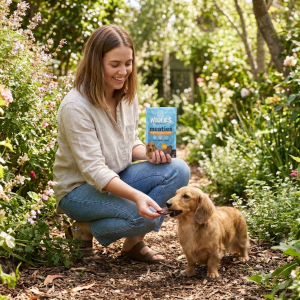
Treats are an important part of puppy training and bonding, but they must be accounted for within your puppy’s overall daily caloric intake. The standard recommendation is that treats should not exceed ten percent of your puppy’s daily calories. For a small puppy, this can be a surprisingly small amount, particularly when you are using treats frequently during training sessions.
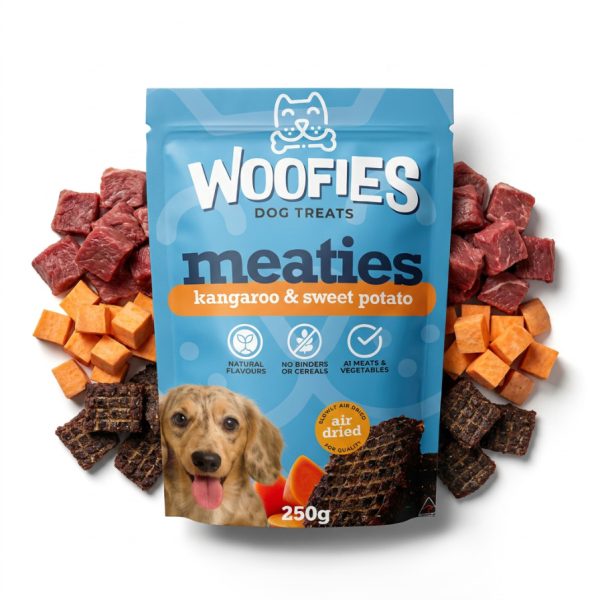
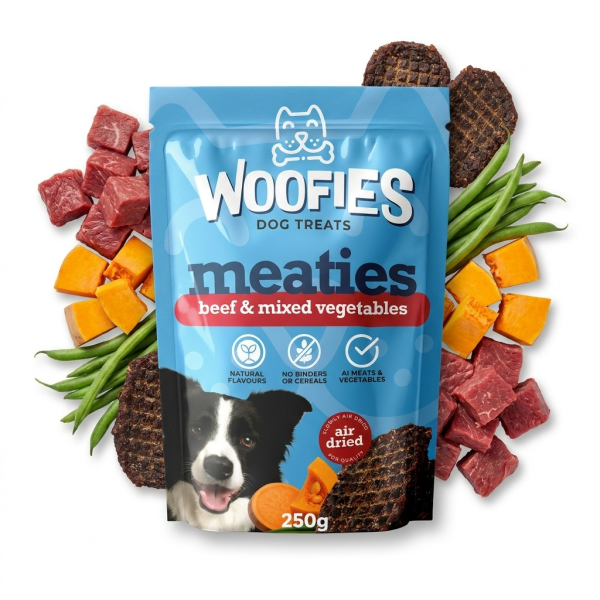
To manage this, choose treats that are very small and low in calories. Breaking larger treats into tiny pieces means your puppy gets the reward without consuming a disproportionate amount of their daily energy budget. Natural treats with simple, wholesome ingredients are the best choice, as they offer nutritional value rather than empty calories.
When you use treats heavily during a training session, slightly reduce the size of the next meal to compensate. This helps maintain the overall balance without sacrificing the motivational power of treat-based training.
Avoiding Common Overfeeding Traps
Puppies are masterful at appearing hungry, and it can be genuinely difficult to resist those pleading eyes at meal time. However, overfeeding is one of the most common and consequential mistakes puppy owners make. Carrying excess weight during puppyhood places stress on developing joints and bones, increases the risk of orthopaedic problems, and sets unhealthy weight patterns that can be difficult to reverse.
Stick to scheduled meal times rather than free feeding, measure portions accurately, and keep treats within the ten percent guideline. These habits, established early, create a healthy framework that serves your dog well throughout their life.
—
Frequently Asked Questions
How much should I feed my puppy each day?
The amount you should feed a puppy depends on their age, breed, and weight, but most puppy food packaging includes a feeding guide as a starting point. Generally, puppies need to eat more frequently than adult dogs, with three to four small meals per day up to around 6 months of age.
How do I know if I’m feeding my puppy the right amount?
A well-fed puppy should have a visible waist when viewed from above and you should be able to feel their ribs without pressing hard, but not see them prominently. If your puppy seems constantly hungry, is gaining too much weight, or has loose stools, adjusting portion sizes with guidance from your vet is a good idea.
How much of a puppy’s diet can be treats?
Treats should make up no more than 10% of a puppy’s total daily calorie intake to ensure they are still getting the full nutritional benefit from their balanced puppy food. Because puppies are small, this 10% threshold can be reached very quickly, so choosing low-calorie natural treats helps stretch that allowance further.
Should I feed my puppy differently based on their breed size?
Yes, feeding recommendations vary significantly between small, medium, and large breed puppies because their growth rates and nutritional needs differ. Large breed puppies in particular benefit from controlled portions to avoid growing too quickly, which can put strain on their developing joints and bones.