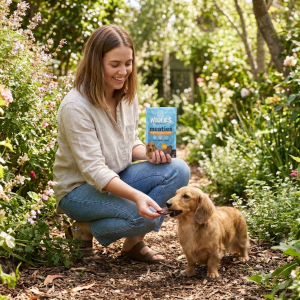
If there is one thing every dachshund owner needs to understand, it is this: excess weight in dachshunds is not just a cosmetic concern. It is a genuine health emergency waiting to happen. The connection between obesity and intervertebral disc disease in this breed is well established, and keeping your dachshund lean is one of the most powerful things you can do to protect their spine, mobility, and quality of life.
The IVDD Connection
Intervertebral disc disease is the condition that keeps dachshund owners and vets up at night. The dachshund’s long spine and characteristically short legs are the result of a genetic mutation that also affects the composition of the intervertebral discs. These discs tend to harden and lose their shock-absorbing properties much earlier in life than in other breeds. When a disc ruptures, the resulting spinal cord compression can cause anything from chronic pain to complete hind limb paralysis.
Weight directly amplifies this risk. Every additional kilogram places extra load on those already vulnerable discs with every step, jump, or moment of vigorous play. Research consistently shows that overweight dachshunds are at significantly higher risk of IVDD events, and that maintaining a lean body condition is one of the most effective preventative measures available to owners.
Recognising Healthy Weight
Many dachshund owners are surprised to discover their dog is overweight, partly because slightly chubby dachshunds are so common that they start to look normal. A healthy dachshund should have a visible waist when viewed from above, and you should be able to feel their ribs with gentle pressure without them being visually prominent. If you need to press firmly to locate the ribs, or if the waist has disappeared into a smooth sausage shape, your dachshund is likely carrying excess weight.
Your vet can formally body condition score your dachshund and give you a target weight to work toward. This is always the best starting point if you are unsure.
Calorie Management Strategies
Once you know your dachshund’s target weight, the next step is understanding how many calories they actually need. Feeding guides on pet food packaging are a starting point, but they are often based on averages and may overestimate requirements for a less active or desexed dog. Working with your vet to determine an accurate daily calorie target is time well spent.
Measuring food portions by weight rather than volume is more accurate and makes it much easier to identify and correct small deviations. Consistency is essential. Even a small daily calorie surplus, just 10% above maintenance requirements, can lead to meaningful weight gain over months and years.
Smart Treat Swaps
Treats are frequently the hidden culprit behind unexplained weight gain in dachshunds. Even well-intentioned owners who feed their dog a perfectly portioned main meal can inadvertently tip the balance through generous treat-giving throughout the day.
The solution is not to eliminate treats, because treats serve genuinely important purposes in training, bonding, and enrichment, but to choose smarter options. Low-calorie natural treats, such as air-dried lean proteins or small pieces of plain cooked vegetables like carrot or zucchini, allow you to maintain a rewarding treat routine without the caloric cost of richer options.
Breaking treats into very small pieces is another highly effective strategy. A pea-sized fragment of a high-quality natural treat is just as rewarding to a dachshund as a full-sized piece. It activates the same positive association and delivers the same flavour hit, with a fraction of the calories.
If multiple people in your household give treats, establish a shared daily treat budget and use a single container that everyone draws from. This simple system prevents the cumulative overfeeding that occurs when each family member believes they are only giving a small amount.
Exercise and Its Role
Exercise supports weight management, but it needs to be appropriate for the dachshund’s physical limitations. High-impact activities like jumping from furniture or repeated stair climbing put stress on the spine and should be minimised regardless of weight status. Moderate, consistent exercise like daily walks is far preferable to intense bursts of activity.
As your dachshund loses weight, you may find their willingness and stamina for exercise naturally increases. Lean dachshunds are more comfortable, more mobile, and generally more energetic than their overweight counterparts.
A Long-Term Commitment
Preventing weight gain in dachshunds is a lifelong commitment, not a temporary diet. The structural realities of the breed do not change with age, and the risk of IVDD remains present throughout their life. Staying consistent with measured feeding, smart treat choices, and regular vet monitoring gives your dachshund the best possible chance of a long, pain-free, and happy life.
—
Frequently Asked Questions
Why is preventing weight gain in dachshunds so important?
Preventing weight gain in dachshunds is critical because their elongated spine is under constant mechanical stress, and extra body weight makes that significantly worse. Obesity is a leading risk factor for intervertebral disc disease (IVDD), a painful and potentially paralysing condition common in the breed. Keeping your dachshund at a healthy weight is one of the most impactful things you can do for their long-term quality of life.
How does obesity increase the risk of IVDD in dachshunds?
Dachshunds are already predisposed to IVDD due to their genetics and body shape, but excess weight puts additional pressure on the discs between their vertebrae, accelerating wear and increasing the likelihood of disc herniation. Even being slightly overweight can make a meaningful difference to spinal health in this breed. Managing your dachshund’s calorie intake, including treat calories, is a key part of IVDD prevention.
What are healthy treat swaps for overweight dachshunds?
If your dachshund needs to lose weight, swapping calorie-dense treats for lower-calorie alternatives is a simple and effective strategy. Air-dried lean meats like kangaroo or chicken breast are satisfying options that are naturally low in fat. You can also use small pieces of plain carrot or cucumber as training rewards since most dachshunds enjoy them and they’re extremely low in calories.
How can I tell if my dachshund is overweight?
A healthy dachshund should have a visible waist when viewed from above and you should be able to feel their ribs without pressing hard, though they shouldn’t be visible. If your dachshund looks sausage-like from above with no discernible waist, or if you have to press to find their ribs, they’re likely carrying too much weight. Your vet can do a proper body condition score assessment and recommend a calorie target to help with weight management in dachshunds.