Dachshunds are one of Australia’s most beloved dog breeds, and it is easy to see why. They are bold, affectionate, and endlessly entertaining. But beneath that confident exterior is a dog with some very specific nutritional needs. Getting dachshund nutrition right from puppyhood through to the senior years can make a profound difference to their health, comfort, and longevity.
Understanding the Dachshund Body
Before diving into specific nutritional recommendations, it helps to understand the dachshund’s unique physiology. Their elongated spine and chondrodystrophic (short-limbed) body structure creates a dog that is inherently vulnerable to spinal problems, most notably intervertebral disc disease. This structural reality means that body weight management is not optional. It is a fundamental part of responsible dachshund ownership.
Every extra kilogram your dachshund carries places disproportionate mechanical stress on their spine. In practical terms, a dachshund that is even slightly overweight faces a meaningfully higher risk of painful, potentially life-altering spinal injury. Nutrition is the primary tool available to prevent this.
Protein Requirements
Dachshunds, like all dogs, are primarily carnivores and thrive on diets with adequate high-quality animal protein. Protein supports muscle maintenance, immune function, and coat health. A diet where the primary protein source is a named animal ingredient, such as chicken, beef, lamb, or fish, rather than meat meal or by-product meal, is generally preferable.
Dachshunds do not have dramatically different protein needs from other breeds of similar size, but because maintaining lean muscle mass is important for spinal support, ensuring adequate protein intake is worthwhile, particularly in senior dachshunds who naturally lose muscle mass with age. Your vet can help determine the right protein level based on your individual dog’s age and health status.
Calorie Management and Ideal Weight
Knowing your dachshund’s ideal weight is the starting point for good nutrition management. Standard dachshunds should typically weigh between 7 and 14 kilograms depending on sex and build, while miniature dachshunds should generally stay under 5 kilograms. If you are unsure whether your dog is at a healthy weight, your vet can body condition score them at any routine visit.
Once you know the target weight, feed to maintain it rather than to satisfy your dachshund’s always-enthusiastic appetite. Dachshunds are consummate food lovers and will reliably convince you they are starving regardless of how recently they ate. Measured portions based on the feeding guide for your chosen food, adjusted for your individual dog, are far more reliable than feeding to appetite.
Fat Content Considerations
While fat is an important part of any dog’s diet and supports skin, coat, and brain health, excessive dietary fat contributes to weight gain rapidly in a small dog. Dachshunds prone to pancreatitis (as some small breeds are) may also need to have their overall fat intake monitored. Choosing foods and treats with moderate, rather than high, fat content is a sensible default for most dachshunds.
Treats and the 10% Rule
Treats are a significant part of most dachshunds’ daily routine, particularly during training. Applying the 10% rule consistently, where treats account for no more than 10% of daily calorie intake, helps prevent the gradual calorie creep that leads to weight gain over time.
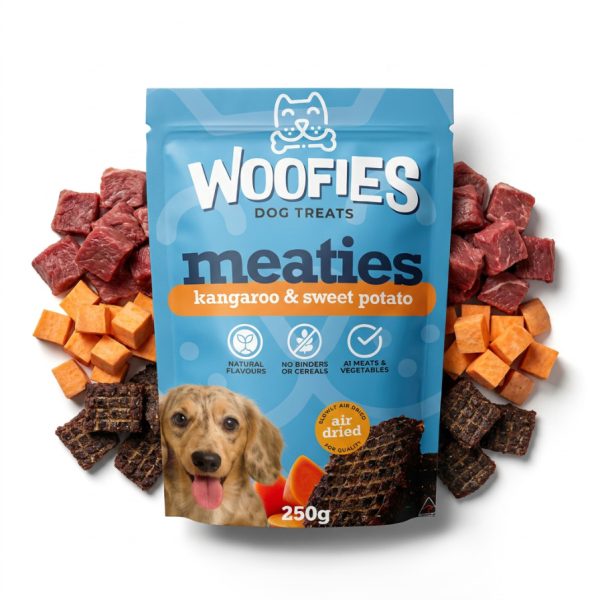
For dachshunds, choosing low-fat, single-ingredient natural treats is particularly important. Options like air-dried lean chicken, fish, or kangaroo are highly palatable and can be broken into tiny training-sized pieces. Avoid high-fat chews, treats loaded with additives, or anything that significantly spikes the daily calorie total.
Life Stage Nutrition
Dachshund puppies grow quickly and need a diet that supports bone and muscle development without promoting excessive weight gain. Puppies should be fed a quality puppy food appropriate for small breeds and transitioned to adult food around 12 months of age.
Adult dachshunds need a balanced, weight-appropriate diet that maintains lean body condition. Senior dachshunds, generally from around seven years onward, may benefit from lower-calorie senior formulas that support joint health and maintain muscle mass as metabolism naturally slows.
The Australian Context
In Australia, dachshund owners have access to excellent natural dog food and treat options made from locally sourced proteins. Australian kangaroo, lamb, and beef are all fantastic protein sources for dachshunds, offering novel proteins that tend to be well tolerated even by sensitive individuals. Supporting Australian pet food brands also means greater transparency in sourcing and manufacturing standards.
Feeding your dachshund well does not need to be complicated. With the right base diet, consistent portion management, smart treat choices, and regular vet check-ins, you can give your dachshund every opportunity for a long, healthy, spine-safe life.
—
Frequently Asked Questions
What should dachshunds eat for good health?
A dachshund nutrition guide typically centres on a high-protein, moderate-fat, low-filler diet that supports lean muscle without encouraging weight gain. Quality animal proteins like chicken, beef, or fish should be the primary ingredient in their food and treats. Avoiding heavily processed foods and artificial additives helps support digestive health and long-term wellbeing in this breed.
How much protein does a dachshund need?
Dachshunds do well on a diet where quality animal protein makes up the majority of their nutritional intake, as protein supports muscle mass and helps them feel satisfied. Adequate protein is especially important for dachshunds because maintaining lean muscle helps protect and support their long spine. Look for foods and treats where a named meat source is listed as the first ingredient.
How does diet affect dachshund weight management?
Diet is the single biggest factor in dachshund weight management, as this breed has a tendency to gain weight easily and a metabolism that doesn’t forgive overfeeding. Feeding measured meals, avoiding high-fat foods, and keeping treats low-calorie are the most effective strategies. Even a small amount of extra weight on a dachshund can significantly increase their risk of spinal problems.
Are there any foods dachshunds should avoid?
Dachshunds should avoid high-fat foods, excessive carbohydrates, and of course all foods toxic to dogs like onions, grapes, chocolate, and xylitol. Fatty treats or table scraps can contribute to obesity and may also trigger pancreatitis in sensitive individuals. Sticking to natural, low-fat dog treats and a quality complete diet keeps most dachshunds in good shape.