Food sensitivities in dogs are more common than many people realise, and they can be surprisingly difficult to identify. Unlike a straightforward allergic reaction that occurs immediately after exposure, food sensitivities often develop gradually over months or even years of repeated exposure to a particular ingredient. By the time symptoms become obvious, the offending ingredient may have been part of your dog’s diet for a long time.
What Are Food Sensitivities?
It is worth distinguishing between a true food allergy and a food sensitivity, as the two terms are sometimes used interchangeably but refer to different immune responses. A true food allergy involves an immune-mediated response to a specific protein and can cause symptoms ranging from skin reactions to gastrointestinal distress. A food sensitivity or food intolerance is a broader category that includes reactions that may not involve the immune system directly but still cause discomfort and symptoms.
For practical purposes as a dog owner, the distinction matters less than recognising that your dog is having a reaction and working out what is causing it.
Common Allergens and Irritants in Dog Food
Certain ingredients appear more frequently than others as triggers for sensitivities in dogs. Wheat and other gluten-containing grains are common culprits, as are corn and soy, which are widely used as fillers in commercial dog foods and treats. Beef and dairy are among the most common protein allergens, though any protein can theoretically trigger a reaction in a sensitised dog.
Artificial additives, including artificial colours, flavours, and certain preservatives, are another significant category of irritants. These synthetic chemicals provide no nutritional benefit to dogs, and some dogs react to them with skin inflammation, digestive upset, or behavioural changes. Many dog owners are surprised to discover that their dog’s long-standing skin or digestive issues resolve once artificial additives are removed from the diet.
Recognising Symptoms of Food Sensitivities
The symptoms of food sensitivities in dogs can manifest in several ways. Skin-related symptoms are among the most common and include itchiness, redness, rashes, hot spots, and recurrent ear infections. Gastrointestinal symptoms include loose stools, vomiting, excessive gas, and irregular bowel movements. Some dogs also experience both skin and digestive symptoms simultaneously.
Chronic or recurrent symptoms that do not respond fully to standard treatments, or that return whenever treatment stops, are a strong indicator that a dietary trigger may be involved. If your dog is frequently itchy or has ongoing digestive issues, raising this with your veterinarian is an important step.
Elimination Diets: Finding the Culprit
The gold standard for identifying food sensitivities is an elimination diet, conducted under veterinary supervision. This involves feeding your dog a diet consisting of a novel protein and carbohydrate source, typically ingredients they have never eaten before, for a period of eight to twelve weeks. Novel proteins commonly used include kangaroo, venison, or fish in Australia, as these are less frequently encountered in standard commercial diets.
During this period, it is critical that your dog eats nothing else, including their usual treats, flavoured medications, or table scraps. Even small amounts of the offending ingredient can trigger a response and confuse the results. This is where natural, single-ingredient treats become particularly valuable, as they allow you to offer rewards during the elimination period without introducing unknown ingredients.
After the elimination period, if symptoms have resolved, ingredients are reintroduced one at a time to identify which causes a reaction. It is a time-consuming process but a highly effective one.
Choosing Hypoallergenic Treats
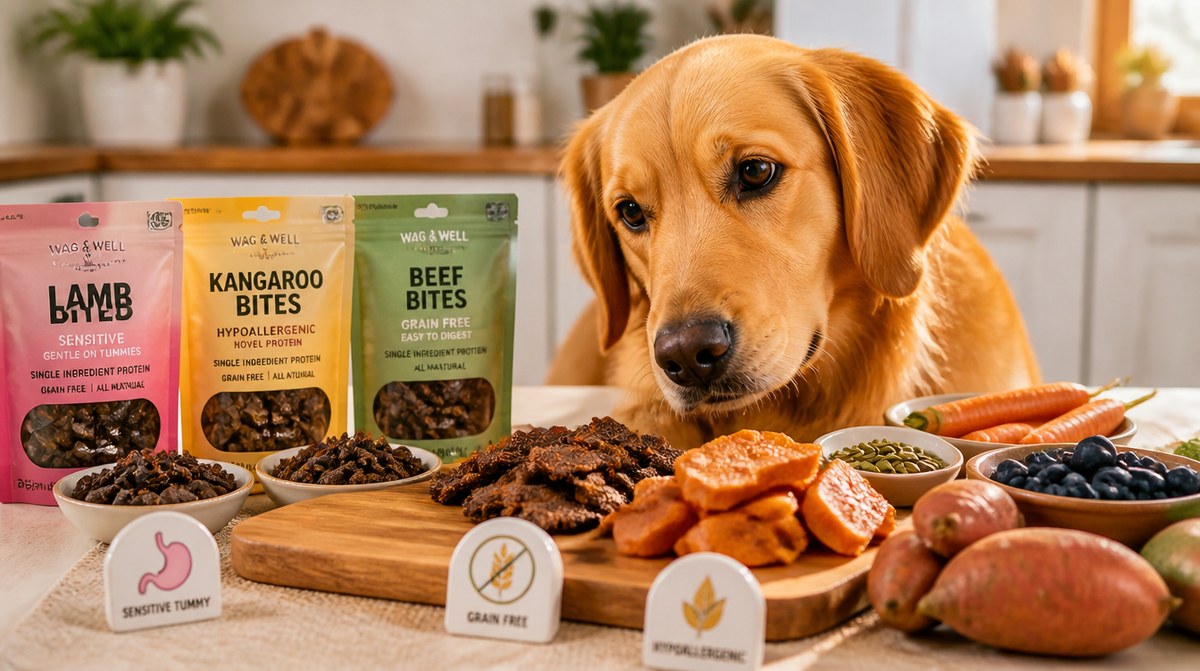
For dogs with known or suspected sensitivities, choosing the right treats is just as important as choosing the right food. Look for treats with a short, simple ingredient list, ideally containing a single novel protein and nothing else. Treats that are free from grains, artificial additives, and common allergens give sensitive dogs the best chance of tolerating them well.
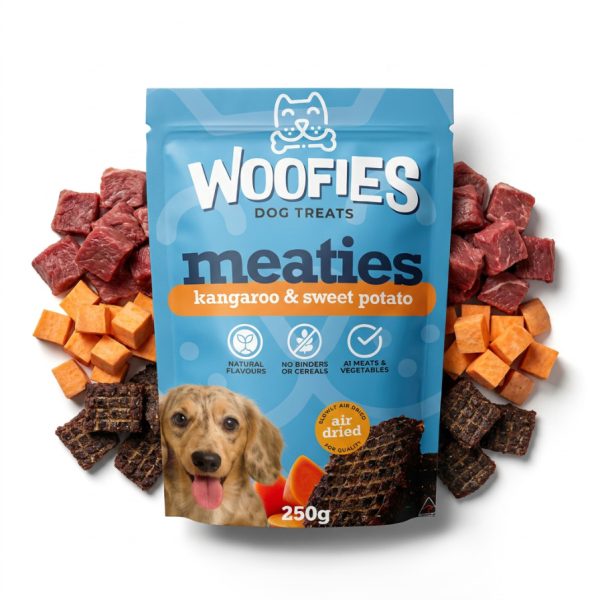
Single-ingredient treats made from fish, kangaroo, or other novel proteins are excellent options for dogs on elimination diets or for those who have identified sensitivities to more common proteins. Being able to read the full ingredient list and understand every item on it gives you confidence that you are not inadvertently exposing your dog to something that will trigger a reaction.
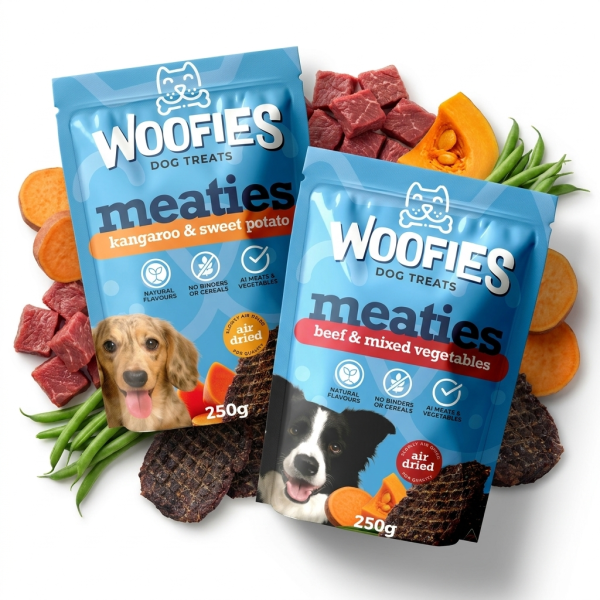
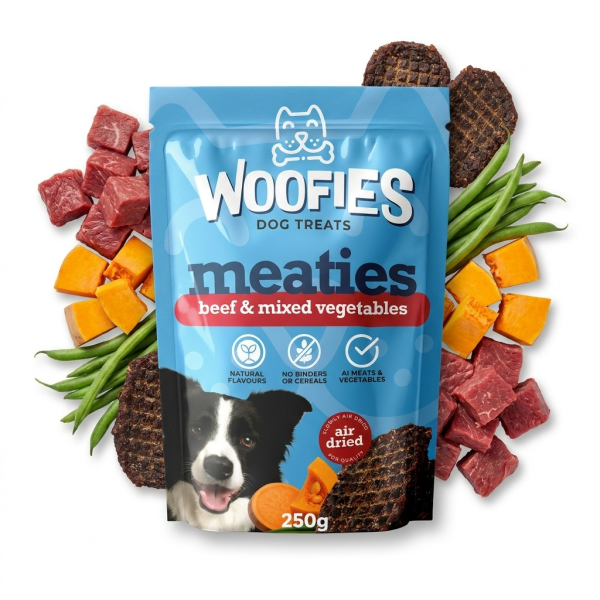
At Woofies, our natural treats are made with real, simple ingredients, making them a trustworthy choice for dogs with sensitivities. Because what goes into the treat is just as important as what stays out.
—
Frequently Asked Questions
What are the most common food sensitivities in dogs?
Understanding food sensitivities in dogs starts with knowing the most frequently implicated ingredients, which include beef, chicken, dairy, wheat, soy, and eggs. These are common allergens simply because they appear in so many commercial dog foods, leading to repeated exposure over time. If your dog has recurring skin issues, digestive problems, or ear infections, a food sensitivity to one of these ingredients could be worth investigating.
How do I know if my dog has a food sensitivity or allergy?
The symptoms of food sensitivities in dogs often include itchy skin, recurring ear infections, paw licking, loose stools, and vomiting that does not have an obvious cause. These signs can come and go and may worsen after eating certain foods. A formal diagnosis usually involves an elimination diet under veterinary guidance, where potential allergens are removed and reintroduced one at a time to identify the trigger.
What is an elimination diet for dogs and how does it work?
An elimination diet is the gold-standard approach for understanding food sensitivities in dogs, and it involves feeding a very limited diet of novel protein and carbohydrate sources that your dog has never eaten before, typically for eight to twelve weeks. If symptoms resolve during that period, ingredients are slowly reintroduced one at a time to identify which one causes a reaction. It requires discipline around treats too, as even small exposures to the offending ingredient can skew the results.
What treats are safe for dogs with food sensitivities?
When managing food sensitivities in dogs, the safest treat options are single-ingredient, minimally processed choices made from a protein your dog is not already reacting to. Kangaroo, venison, and fish are popular choices in Australia because they are less commonly found in standard commercial pet foods and are therefore less likely to trigger an existing sensitivity. Always read treat ingredient labels carefully, as many products contain hidden allergens like wheat-based binders or flavour enhancers.