Dogs cannot read a nutrition label or tell us when their diet is falling short. As their owners, it is up to us to pay attention and recognise when something is not quite right. Nutritional deficiencies and imbalances often reveal themselves through observable changes in appearance, energy, digestion, and behaviour. Knowing what to look for can help you act early and get your dog back on track.
Dull or Poor Coat Condition
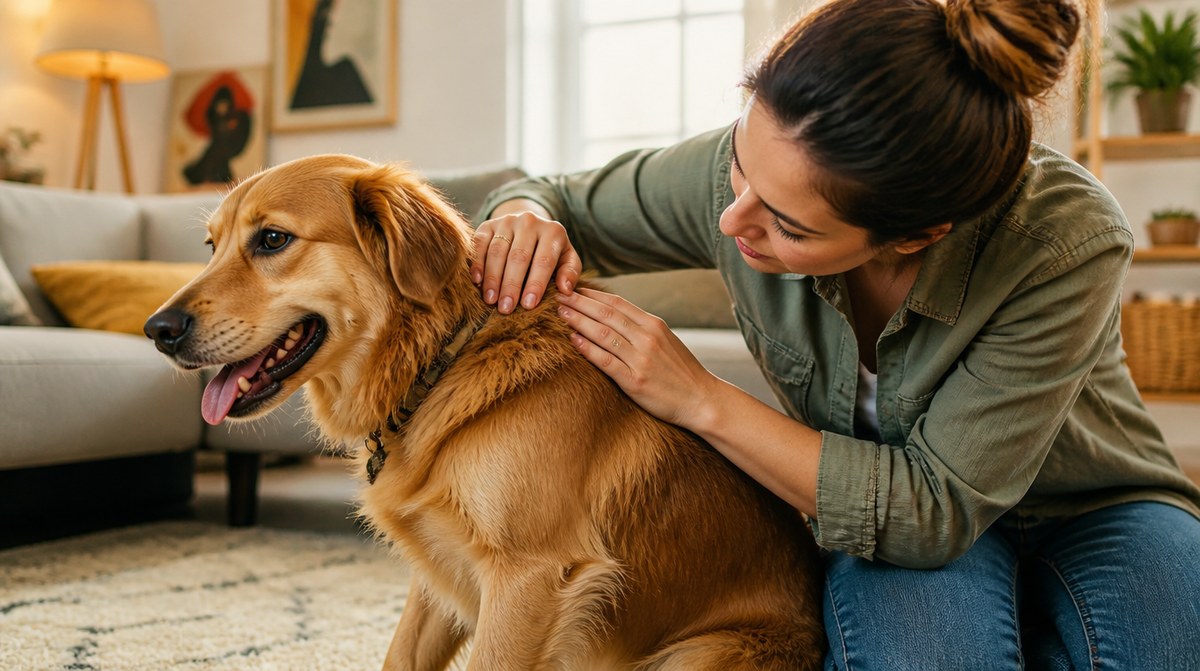
The coat is frequently the first visible sign that a dog’s nutrition is not where it should be. A healthy, well-nourished dog typically has a coat that is shiny, smooth, and feels soft to the touch. When nutrition is lacking, particularly in essential fatty acids and quality protein, the coat may become dull, dry, or rough in texture.
Excessive shedding, flaky skin, and persistent itchiness are also common signs of nutritional gaps. These symptoms are sometimes mistaken for allergies or skin conditions, and while those possibilities should be investigated by a vet, poor diet is a significant contributing factor that should not be overlooked.
Low Energy and Lethargy
A dog that is not getting adequate nutrition may simply not have the energy they need to function at their best. If your dog seems unusually flat, less interested in play, or reluctant to go for walks they used to enjoy, this could point to a dietary issue. Dogs need sufficient calories from quality sources to fuel their daily activities, and diets heavy in fillers and low in bioavailable nutrients may leave them feeling depleted.
This is particularly easy to miss because low energy can develop gradually, and owners often adapt to their dog’s reduced vitality without realising it has changed. Comparing your dog’s current energy levels to how they were six or twelve months ago can be a helpful exercise.
Digestive Problems
Digestive issues are another common indicator that a dog’s diet needs attention. Frequent loose stools, excessive gas, vomiting, or irregular bowel movements can all signal that the current diet is not being well tolerated or properly digested. Some dogs are sensitive to specific ingredients such as artificial additives, certain grains, or low-quality protein sources.
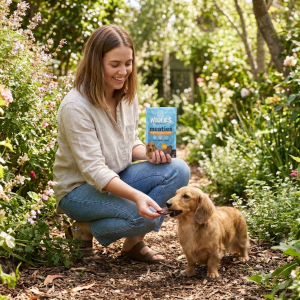
Treats are worth scrutinising here, as they often contain different ingredients to the main diet and can be overlooked as a source of digestive disruption. Moving to simple, single-ingredient natural treats is often a helpful step in troubleshooting ongoing digestive issues.
Weight Problems
Both unexplained weight gain and unintended weight loss can indicate nutritional imbalance. Weight gain often points to excessive calorie intake relative to energy expenditure, sometimes driven by calorie-dense treats or overfeeding. Weight loss, on the other hand, can suggest that a dog is not absorbing nutrients efficiently, is not getting enough protein to maintain muscle mass, or has an underlying health condition affecting their metabolism.
A visible waist when viewed from above and the ability to feel but not prominently see the ribs are hallmarks of a healthy body condition. If your dog’s body condition has shifted noticeably in either direction, diet is one of the first places to look.
Behavioural Changes
It is less commonly discussed, but nutrition can also influence a dog’s behaviour and temperament. Dogs that are not getting the nutrients they need may become irritable, anxious, or less responsive. Blood sugar fluctuations caused by diets high in simple carbohydrates can contribute to mood instability, and deficiencies in specific vitamins and minerals have been linked to behavioural changes in research settings.
If you have noticed changes in your dog’s mood or responsiveness that cannot be explained by environmental factors or a specific event, it is worth considering whether their diet may be a contributing factor.
What to Do If You Notice These Signs
The most important first step is a visit to your veterinarian. Many of the signs described above can also be symptoms of underlying health conditions, and a proper diagnosis is essential before making significant dietary changes. Your vet may recommend bloodwork, allergy testing, or a dietary trial to identify the root cause.
Once underlying health issues have been ruled out or addressed, reviewing the quality of your dog’s diet is a logical next step. Prioritising natural, minimally processed foods and treats with real animal protein as the primary ingredient is a practical way to improve overall nutritional quality.
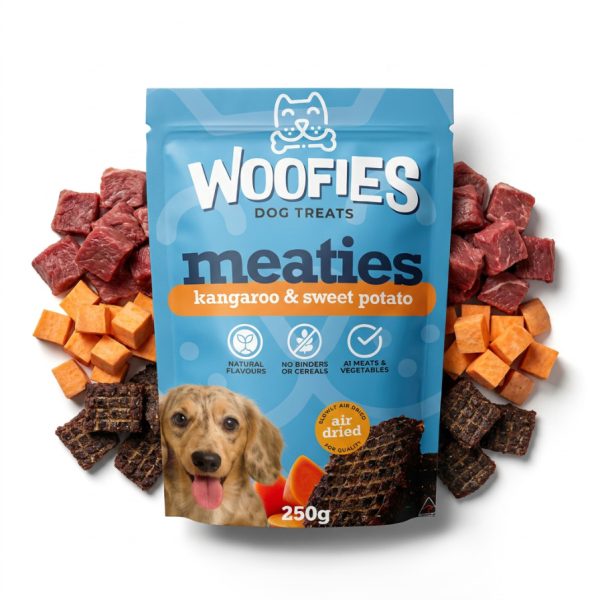
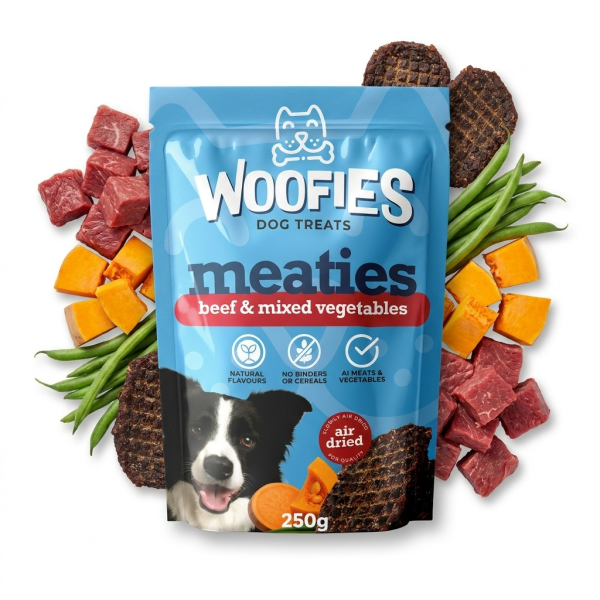
At Woofies, our treats are made with real, recognisable ingredients, so you always know exactly what your dog is eating. It is a small step that contributes to a much bigger picture of long-term canine health and wellbeing.
—
Frequently Asked Questions
How can I tell if my dog is not getting enough nutrition?
Signs your dog is not getting proper nutrition often show up first in their coat, which may become dull, brittle, or start shedding excessively. Low energy, difficulty maintaining a healthy weight, and recurring digestive upsets like loose stools or excessive wind are also common indicators. If you notice several of these signs together, it is time to reassess what you are feeding and seek veterinary advice.
What does a nutritional deficiency look like in dogs?
A nutritional deficiency in dogs can look like persistent fatigue, poor coat condition, dry or flaky skin, frequent illness, or slow recovery from exercise. These are all signs your dog is not getting proper nutrition, though they can also overlap with symptoms of other health conditions. A vet visit including a blood panel is the most reliable way to identify whether a specific deficiency is at play.
Can digestive problems in dogs be caused by poor diet?
Absolutely. Chronic digestive issues like loose stools, bloating, or irregular bowel movements are among the clearer signs your dog is not getting proper nutrition, particularly if their current food contains excessive fillers, artificial ingredients, or poorly digestible protein sources. Switching to a simpler, higher-quality diet often resolves these issues, though it is worth ruling out food sensitivities or underlying gut conditions with your vet first.
What should I do if I think my dog has a nutritional deficiency?
If you are spotting signs your dog is not getting proper nutrition, the first step is to book a check-up with your vet rather than immediately overhauling their entire diet. Your vet can identify specific deficiencies through blood work and recommend targeted changes or supplements. Making multiple dietary changes at once without guidance can make it harder to pinpoint what is helping and what is not.