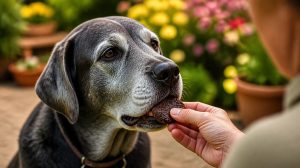
Dogs cannot tell us when something is not quite right, which means we have to become attentive observers of their behaviour, appearance, and energy levels. This is especially true for senior dogs, whose bodies are changing in ways that can be subtle at first but become more pronounced over time. Knowing what to look for can help you catch nutritional imbalances early and make adjustments before they become bigger health issues.
Unexplained Weight Changes
One of the clearest signs that something needs to change in your senior dog’s diet is an unexplained shift in weight. Weight gain in older dogs is often linked to a slowing metabolism combined with a diet that has not been adjusted to account for reduced activity levels. If your dog is putting on weight without any change in their routine, it may be time to look at calorie intake, including those coming from treats.
On the other hand, unexplained weight loss in a senior dog is equally concerning and warrants prompt veterinary attention. Weight loss can indicate that your dog is not absorbing nutrients efficiently, that their protein intake is insufficient, or that an underlying health condition is affecting their appetite or digestion.
A dog’s coat is often a visible reflection of their internal health. If your senior dog’s coat has become dull, dry, or brittle, or if their skin has become flaky or itchy, this can point to nutritional gaps, particularly in essential fatty acids. Omega-3 and omega-6 fatty acids play a vital role in maintaining healthy skin and a shiny, lustrous coat. A lack of these nutrients often shows up first in coat quality.
Switching to treats and foods that contain oily fish, such as salmon or sardines, can make a noticeable difference to coat condition over time. Natural treats with minimal processing retain more of these beneficial fats than heavily refined alternatives.
Digestive Issues That Won’t Resolve
Loose stools, excessive wind, or changes in the frequency and consistency of your dog’s bowel movements can all signal that their current diet is not agreeing with them. Senior dogs often develop sensitivities to ingredients they previously tolerated well. Artificial additives, grains, and certain proteins are common triggers.
If your dog is experiencing ongoing digestive issues, it is worth reviewing every component of their diet, including treats, which are sometimes forgotten when owners are trying to identify dietary culprits. Transitioning to simpler, single-ingredient natural treats can help identify whether a treat ingredient is contributing to the problem.
Lethargy and Low Energy
While it is natural for senior dogs to be a little less energetic than their younger selves, a marked increase in lethargy that is not explained by a health diagnosis can sometimes be linked to diet. Dogs that are not getting adequate nutrition, or that are consuming a diet high in poor-quality fillers and additives, may simply not feel their best.
If your senior dog seems unusually flat or disinterested in activities they used to enjoy, it is worth discussing this with your vet and considering whether their nutritional needs are being fully met.
When to Consult Your Vet
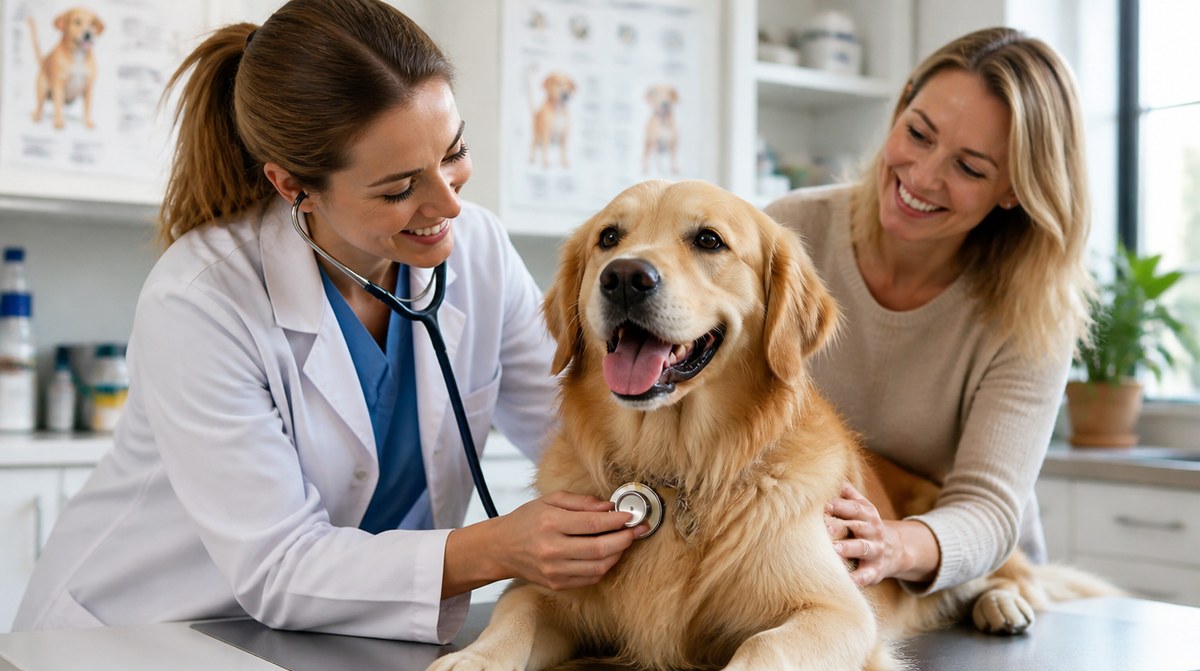
Any significant or sudden change in your senior dog’s weight, coat, digestion, or energy levels warrants a conversation with your veterinarian. Your vet can run bloodwork and other diagnostics to rule out underlying health conditions and can make specific dietary recommendations based on your dog’s individual results.
Do not wait for changes to become severe before seeking advice. Senior dogs can deteriorate more quickly than younger dogs when health issues go unaddressed, and early intervention is almost always more effective than reactive treatment.
How Diet Tweaks Can Help
Sometimes small, targeted changes make a significant difference. Swapping out high-calorie treats for leaner, lower-calorie natural options, introducing fish-based treats to support coat health, or eliminating artificial additives from your dog’s snack routine are all practical steps that can yield visible improvements.
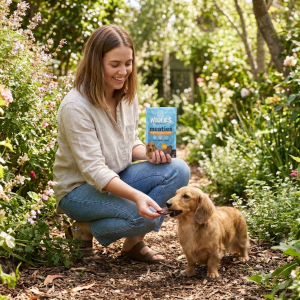
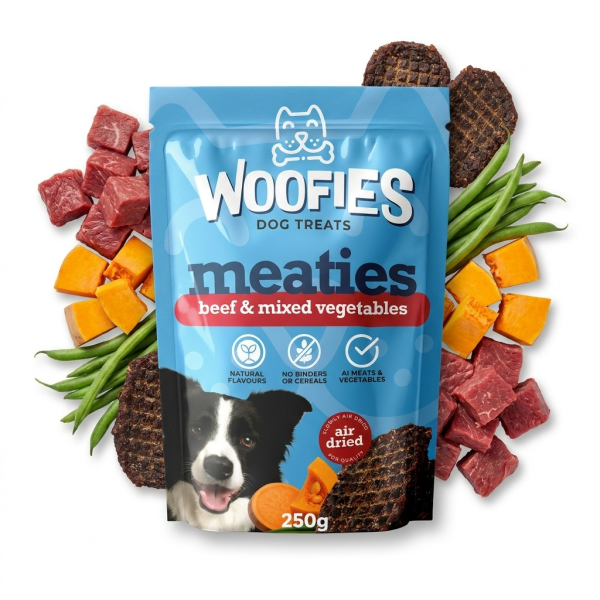
At Woofies, we make natural dog treats with real ingredients and no nasties, so you can feel good about every treat you give your senior dog. Small changes, made consistently, can have a real and lasting impact on your ageing dog’s quality of life.
—
Frequently Asked Questions
What are the signs a senior dog needs a diet change?
Common signs your senior dog needs a diet change include unexplained weight gain or loss, a dull or thinning coat, reduced energy levels, and changes in stool consistency. These can all point to the fact that their current food is no longer meeting their nutritional needs as they age. If you notice any combination of these signs, it is worth reviewing their diet and speaking with your vet.
How do I know if my older dog is gaining too much weight?
One of the clearest signs your senior dog needs a diet change is visible weight gain, where you can no longer feel their ribs without pressing firmly or their waist has disappeared when viewed from above. Carrying extra weight is particularly hard on older joints and can accelerate mobility decline. A body condition scoring chart, available from your vet, is a practical tool for monitoring your dog’s weight at home.
Can a poor diet cause a senior dog to have low energy?
Yes, low energy or lethargy is one of the signs your senior dog needs a diet change, particularly if they are not getting enough quality protein or essential nutrients. While some slowing down is natural with age, a significant drop in energy can indicate that their diet is falling short. Before assuming it is simply old age, it is worth ruling out nutritional deficiency with a vet check.
When should I take my senior dog to the vet about their diet?
You should see a vet if you notice multiple signs your senior dog needs a diet change occurring together, especially if changes have come on quickly. Sudden weight loss, persistent digestive upset, or a noticeably deteriorating coat warrant a professional assessment rather than a DIY diet overhaul. Your vet can run blood work to identify any underlying issues and recommend a targeted nutrition plan.