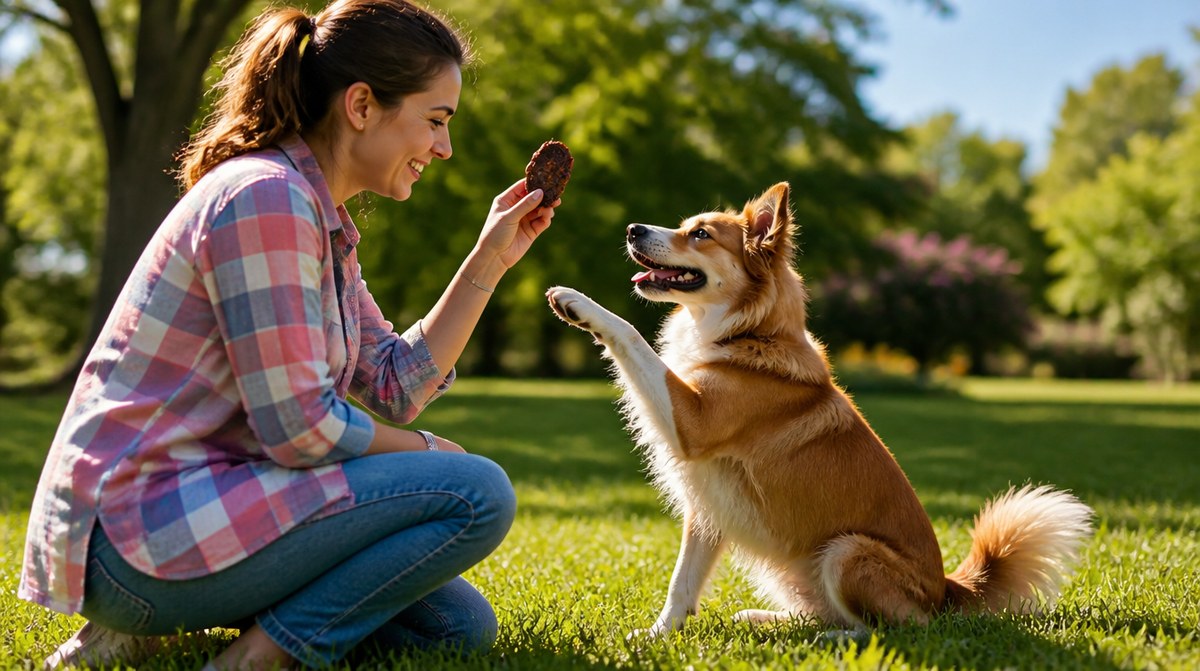
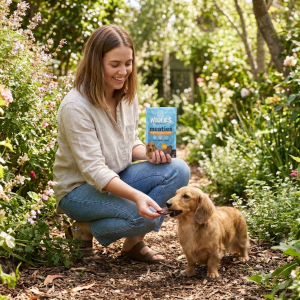
Positive reinforcement is the most widely supported and effective method of dog training. It is based on a simple principle: behaviours that are rewarded are more likely to be repeated.
Treats play a central role in this system, acting as immediate, clear communication between dog and owner.
The Science Behind Positive Reinforcement
Dogs learn through association. When a behaviour is followed by a positive outcome, the brain strengthens that connection.
This creates:
Faster learning
Stronger behavioural retention
Increased willingness to engage
Unlike punishment-based methods, positive reinforcement builds behaviour rather than suppressing it.
Why Treats Are So Effective
Treats work because they:
Provide immediate feedback
Are biologically rewarding
Create clear communication
Timing is critical. The reward must follow the behaviour instantly for the association to form correctly.
Building Trust Through Training
Positive reinforcement also strengthens the emotional bond between dog and owner.
Dogs learn:
Humans are predictable
Good behaviour leads to rewards
Training is safe and enjoyable
This reduces anxiety and increases willingness to learn.
Comparison: Positive vs Punishment-Based Training
Positive reinforcement:
Builds confidence
Encourages learning
Strengthens bond
Punishment-based training:
Can create fear or confusion
Slows learning
Damages trust in some cases
Modern behavioural science strongly supports positive reinforcement as the preferred method.
The Role of Consistency
Consistency is essential. Dogs must understand:
Which behaviours are rewarded
When rewards occur
What outcomes to expect
Inconsistent reinforcement slows learning significantly.
Transitioning Away from Treats
Eventually, treats are phased out or reduced, replaced by:
Praise
Play
Real-world rewards
But the behavioural foundation remains.
Summary
Positive reinforcement works because it aligns with how dogs naturally learn. Treats provide clarity, motivation, and emotional reward, making training faster, more effective, and more enjoyable.
How do treats help with positive reinforcement training?
Treats are one of the most effective tools in positive reinforcement training because they are immediate, consistent, and highly motivating for most dogs. When a dog receives a treat right after performing the desired behaviour, their brain reinforces that behaviour as something worth repeating. Using natural dog treats keeps the reward both motivating and nutritious.
Is positive reinforcement better than punishment-based training?
Research consistently shows that positive reinforcement produces faster learning, stronger behaviour retention, and a healthier relationship between dog and owner compared to punishment-based methods. Dogs trained with rewards are more confident, less anxious, and more willing to try new things because they associate training with good experiences.
Can positive reinforcement training work for older dogs?
Absolutely. Positive reinforcement works for dogs of all ages, including older dogs learning new skills or unlearning unwanted behaviours. Older dogs may take a little longer to pick up new habits, but with consistent rewards and patience, treat-based positive reinforcement is just as effective as it is with puppies.
Frequently Asked Questions
Why does positive reinforcement work so well for dog training?
Positive reinforcement works because it uses something the dog genuinely wants, like a tasty treat, to create a strong association between a behaviour and a good outcome. This approach taps into natural learning mechanisms and builds trust between dog and owner, making it one of the most effective and humane training methods available.
How do treats help with positive reinforcement training?
Treats are one of the most effective tools in positive reinforcement training because they are immediate, consistent, and highly motivating for most dogs. When a dog receives a treat right after performing the desired behaviour, their brain reinforces that behaviour as something worth repeating. Using natural dog treats keeps the reward both motivating and nutritious.
Is positive reinforcement better than punishment-based training?
Research consistently shows that positive reinforcement produces faster learning, stronger behaviour retention, and a healthier relationship between dog and owner compared to punishment-based methods. Dogs trained with rewards are more confident, less anxious, and more willing to try new things because they associate training with good experiences.
Can positive reinforcement training work for older dogs?
Absolutely. Positive reinforcement works for dogs of all ages, including older dogs learning new skills or unlearning unwanted behaviours. Older dogs may take a little longer to pick up new habits, but with consistent rewards and patience, treat-based positive reinforcement is just as effective as it is with puppies.