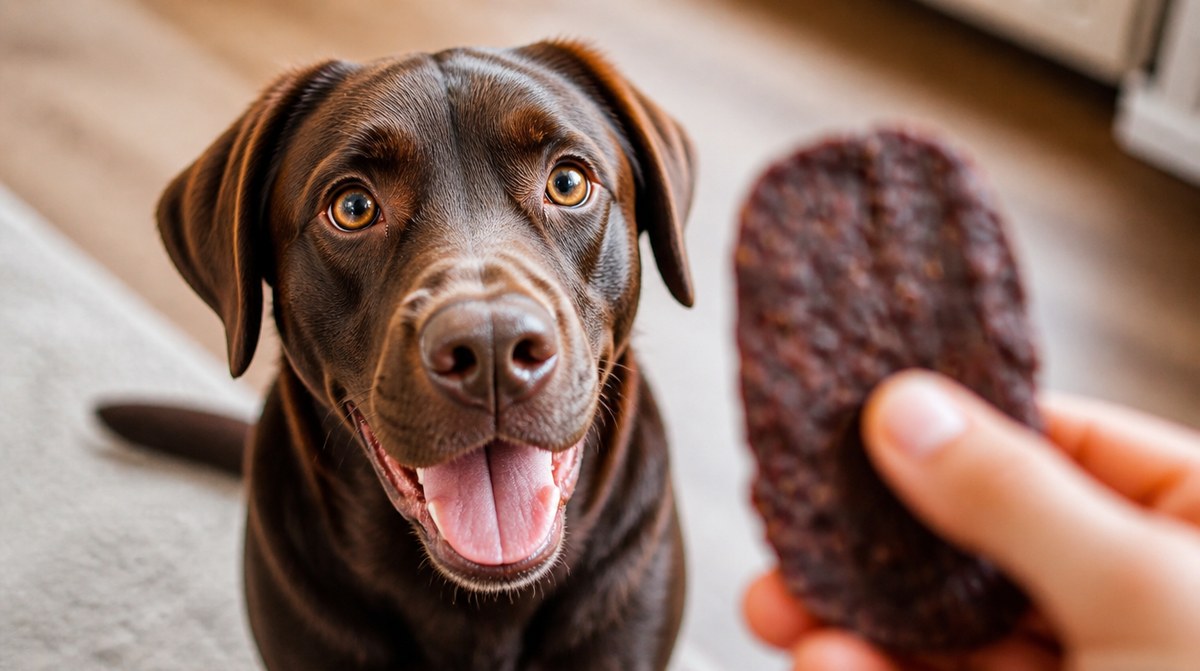
Not all treats are equal in the eyes of a dog. Some treats are casually accepted, while others instantly capture attention and drive behaviour. These are known as high-value treats.
Understanding when and how to use them can dramatically improve training results.
What Are High-Value Treats?
High-value treats are rewards that a dog finds exceptionally motivating. They are typically:
Highly aromatic
Rich in protein or fat
Rarely given outside training contexts
Examples include:
Chicken pieces
Liver treats
Cheese (in moderation)
Salmon-based rewards
Why High-Value Treats Work
Dogs respond strongly to treats that:
Smell appealing
Are biologically rewarding
Offer variety from daily diet
High-value treats create stronger motivation loops because they signal something special is happening.
When to Use High-Value Treats
These treats should not be used constantly. Instead, they are most effective for:
1. Recall Training
Coming when called must be heavily rewarded early on.
2. Distraction Training
Used in environments with competing stimuli.
3. Behaviour Breakthroughs
Rewarding difficult or new behaviours.
4. Emergency Compliance Training
For safety-critical commands.
High-Value vs Low-Value Treats
Low-value treats:
Kibble
Standard biscuits
Everyday rewards
High-value treats:
Meat-based rewards
Strong-smelling protein treats
Fresh or semi-moist foods
The key is contrast – high-value treats only work when they are special.
Mistakes Dog Owners Make
Overusing high-value treats
This reduces their motivational impact.
Using them outside training
They lose their “special reward” status.
Not rotating rewards
Dogs become desensitised.
Building a Reward Hierarchy
Effective trainers create tiers:
Low-value: reinforcement of known behaviours
Medium-value: general training
High-value: critical learning moments
This creates clarity and motivation.
Summary
High-value treats are a powerful behavioural tool, not a daily default. When used strategically, they accelerate learning and improve responsiveness significantly.
When should you use high-value treats in dog training?
High-value dog treats should be saved for high-stakes training moments, such as teaching a new skill, working in a distracting environment, or reinforcing recall. Using them sparingly keeps them special and ensures your dog remains highly motivated when you need it most.
What is the difference between high-value and low-value dog treats?
Low-value treats are ones your dog likes but does not go crazy for, making them fine for practising known behaviours in a calm, familiar setting. High-value dog treats are the ones your dog would do almost anything for, which is why they are so effective in challenging training situations or when competing against distractions like other dogs or outdoor smells.
Are natural dog treats good high-value rewards?
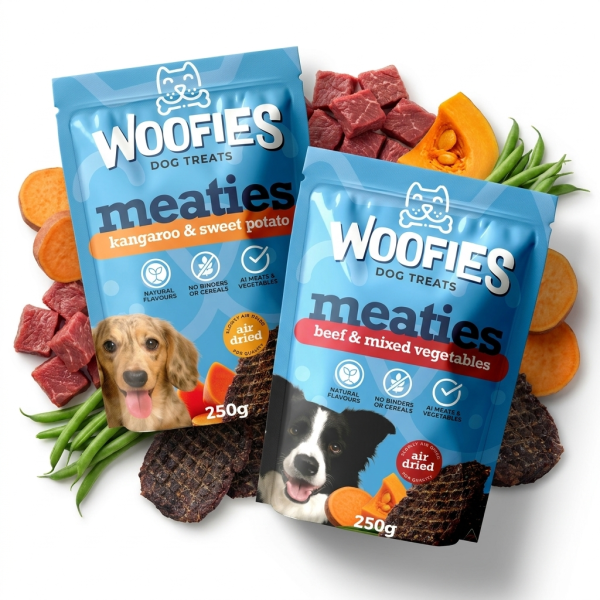
Yes, many natural dog treats make excellent high-value rewards because of their strong aroma and rich protein content. Air-dried or freeze-dried meat treats like roo jerky or beef liver are particularly popular with dogs and tick all the boxes for a genuinely motivating training reward.
Frequently Asked Questions
What are high-value dog treats?
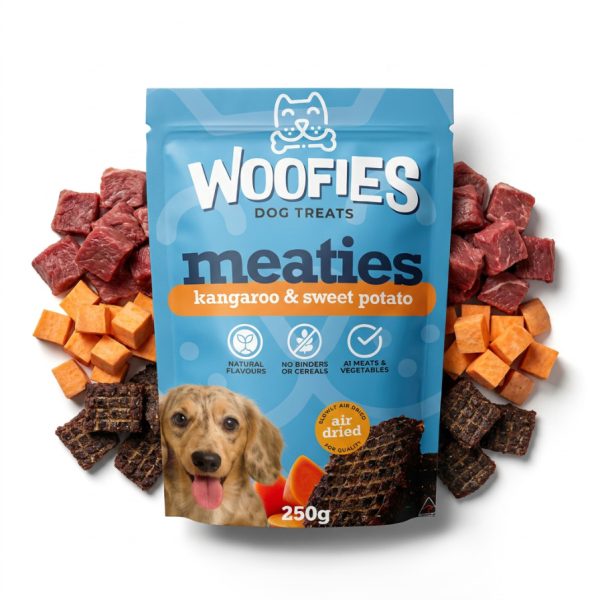
High-value dog treats are treats that your dog finds exceptionally exciting and motivating, usually because they are especially smelly, meaty, or novel. Common examples include freeze-dried liver, air-dried kangaroo, or small pieces of cooked chicken. These treats are reserved for situations where you need your dog’s full attention or are asking for a difficult behaviour.
When should you use high-value treats in dog training?
High-value dog treats should be saved for high-stakes training moments, such as teaching a new skill, working in a distracting environment, or reinforcing recall. Using them sparingly keeps them special and ensures your dog remains highly motivated when you need it most.
What is the difference between high-value and low-value dog treats?
Low-value treats are ones your dog likes but does not go crazy for, making them fine for practising known behaviours in a calm, familiar setting. High-value dog treats are the ones your dog would do almost anything for, which is why they are so effective in challenging training situations or when competing against distractions like other dogs or outdoor smells.
Are natural dog treats good high-value rewards?
Yes, many natural dog treats make excellent high-value rewards because of their strong aroma and rich protein content. Air-dried or freeze-dried meat treats like roo jerky or beef liver are particularly popular with dogs and tick all the boxes for a genuinely motivating training reward.