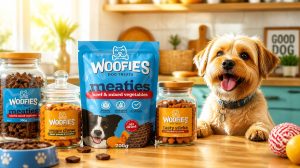
Small dogs are big personalities, and their enthusiasm for treats is usually completely disproportionate to their size. But when it comes to feeding small breeds, size really does matter. What seems like a modest reward for a Labrador can be a calorie bomb for a Maltese. Getting treat choices right for small dogs requires a bit more attention to detail, but it is absolutely worth the effort for their long-term health.
Calorie Density and the Small Dog Challenge
The fundamental challenge with treating small dogs is calorie density. A small dog might only need 200 to 350 calories per day to maintain a healthy weight. Apply the 10% treat rule, and that leaves just 20 to 35 calories for treats across the entire day. Many popular commercial dog treats contain 15 to 25 calories per piece, meaning one or two treats could already max out their daily allowance.
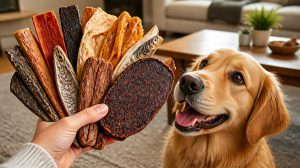
This is why calorie density matters so much when selecting treats for small breeds. You want treats that are flavourful and rewarding without packing in excess calories. Low-fat, single-ingredient natural treats tend to offer the best balance. Air-dried lean proteins and dehydrated vegetables give you a genuinely satisfying treat without unnecessary caloric load.
Treat Size and Safety
Beyond calories, physical size is a genuine safety consideration for small dogs. A treat that is too large for a small dog creates a choking hazard, particularly for enthusiastic eaters who tend to gulp rather than chew. Always choose treats that are small enough for your dog to manage comfortably, or purchase treats that can be easily broken into appropriately sized pieces.
Many premium natural treat brands offer options specifically designed for small breeds, with both the size and calorie content adjusted accordingly. If you are breaking a larger treat into pieces, make sure the texture allows for clean breaks without sharp edges or crumbling that can be difficult to manage.
Portion Control Strategies
Consistency is key with small dogs. Because their daily calorie budget is so limited, even small variations in treat frequency can lead to noticeable weight gain over time. A practical strategy is to portion out your dog’s daily treat allowance in the morning. Place it in a small container or bag and use only from that reserve throughout the day. Once it is gone, that is it for the day.
This approach also helps when multiple family members are involved in treat-giving. It is very common for small dogs to receive treats from several people in the household without anyone realising the cumulative total. A shared treat container that everyone draws from makes it easy to track exactly how much has been given.
Ingredients Suited to Smaller Breeds
Small breeds are often more prone to dental disease than larger dogs, partly due to crowding in their smaller mouths. This makes treat ingredient selection particularly important. Dental chews and crunchy natural treats that promote mechanical cleaning can be a useful addition to a small dog’s treat rotation, alongside regular tooth brushing.
Some small breeds are also more prone to food sensitivities and allergies. Common culprits include artificial colours, flavour enhancers, and certain protein sources. Choosing single-ingredient or limited-ingredient natural treats makes it much easier to identify and avoid any triggers. Proteins like kangaroo, fish, and lamb are often well-tolerated by sensitive small breeds.
Natural treats that are low in fat are particularly important for small breeds prone to pancreatitis, a condition that disproportionately affects certain small dog breeds like Miniature Schnauzers and Yorkshire Terriers. Always check the fat content on the packaging and opt for leaner options if your breed is at higher risk.
Making Treats Work for Small Dogs
The good news is that small dogs are often incredibly easy to motivate with even the tiniest treat reward. You do not need to offer large or extravagant treats to make a small dog happy. A tiny piece of air-dried chicken or a small sliver of fish skin is enough to make most small breeds absolutely delighted, and it can be worked into their daily calorie allowance without any compromise to their overall nutrition.
The best approach is to invest in quality over quantity. Choose natural, Australian-made treats with clean ingredients, keep portions small and consistent, and your little dog will enjoy a treat routine that supports their health just as much as their happiness.
—
Frequently Asked Questions
What are the best treats for small dog breeds?
The best treats for small dog breeds are low in calories, appropriately sized for a small mouth, and made from quality natural ingredients. Small dogs have much lower daily calorie needs than large breeds, so even a standard-sized treat can represent a significant chunk of their daily allowance. Look for treats that can be easily broken into tiny pieces or that are already bite-sized for small breeds.
How do I control treat portions for a small dog?
Portion control for small dogs is all about size and frequency. Break larger natural treats into pea-sized pieces so you can reward your dog multiple times without overloading them on calories. It also helps to count treats as part of their daily food intake and reduce meal sizes slightly on days when training is heavy.
Can small dogs eat the same treats as large dogs?
Small dogs can eat many of the same natural treats as large dogs, but the size and calorie load needs to be managed differently. What’s a small snack for a 30kg Labrador could be the equivalent of a full meal for a 4kg Chihuahua. Always break treats down to an appropriate size for your dog and check that the calorie count fits within their daily 10% treat budget.
Why is calorie density important when choosing treats for small dogs?
Calorie density matters for small dogs because their total daily calorie needs are so low that a high-calorie treat can quickly tip them into overfeeding territory. A treat with 50 calories might be negligible for a big dog but excessive for a toy breed. Choosing treats for small dog breeds that are naturally lean, like air-dried chicken or roo, helps you reward generously without the weight gain risk.