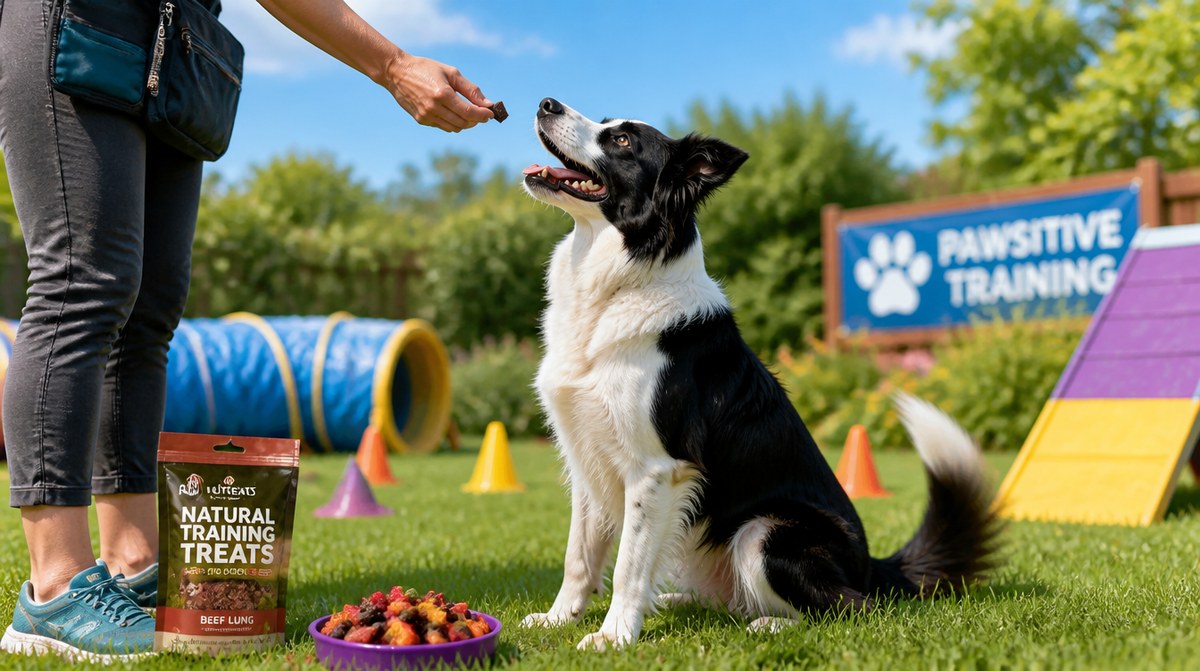
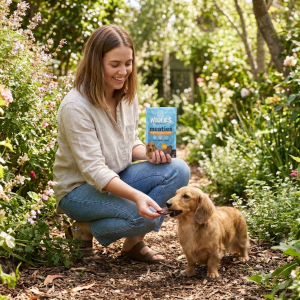
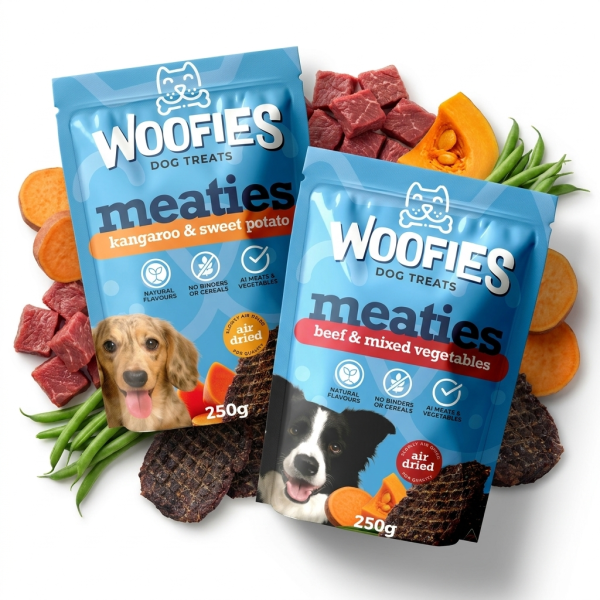
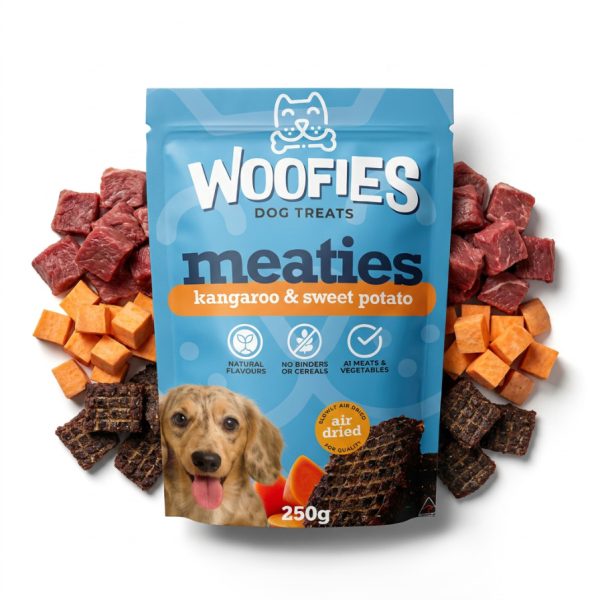
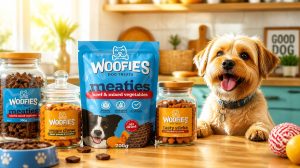
If you have spent any time in the dog training world, you have probably heard the term “training treat” thrown around quite a bit. But are training treats actually a distinct category, or is it just a marketing label? The answer is a little of both. While there is no strict regulatory definition separating training treats from regular treats, there are meaningful practical differences that experienced trainers and dog owners rely on to get the best results.
What Makes a Good Training Treat
The most important characteristic of a training treat is that it is highly motivating for your dog. In training terminology, this is called “high value.” A high-value treat is something your dog finds irresistible, something they will work enthusiastically to earn even in distracting environments like a park, a busy street, or a training class.
Size is the next critical factor. Training treats need to be tiny. The goal is for your dog to consume the treat in under two seconds so they can immediately refocus on you and the next cue. A treat that takes thirty seconds to chew defeats the purpose, because your dog loses momentum and the reward becomes disconnected from the behaviour you are trying to reinforce. Most experienced trainers aim for treat sizes no larger than a pea, sometimes even smaller for toy breeds.
The texture also matters in training contexts. Soft treats are almost always preferred over crunchy ones during active training sessions for exactly this reason: they are consumed quickly, they are aromatic, and they tend to be more palatable to the broadest range of dogs.
Calorie Content and Training Sessions
Here is where training treat management gets important. If you are running multiple training sessions throughout the day and rewarding your dog dozens of times per session, those treat calories accumulate fast. Traditional training treats are specifically formulated to be low in calories so you can reward frequently without blowing past your dog’s daily calorie budget.
Commercial training treats often list very low calories per piece, sometimes as few as two or three calories each, which gives you a lot of rewards to work with. However, many of these products achieve that low calorie count by using fillers, starches, or artificial additives, which is not ideal from a nutritional standpoint.
Everyday Treats vs High-Value Treats
Not every treat interaction calls for your highest-value training treat. Everyday treats, the kind you give your dog just because you love them or to reward calm behaviour at home, do not need to be as intensely motivating. These can be slightly larger, more satisfying treats that your dog enjoys at a relaxed pace.
The key is to reserve your highest-value treats for training situations where you really need your dog’s full attention and enthusiasm. If you use the same irresistible treat for every casual reward throughout the day, it loses its special status. Your dog needs to perceive training treats as exceptional, not routine.
Using Natural Treats in Training
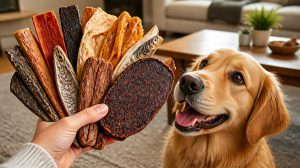
Natural treats can absolutely be used in training, and many owners prefer them precisely because they know exactly what their dog is consuming. The key is to prepare them appropriately. A piece of air-dried meat or a small cube of dehydrated liver can be broken into tiny training-sized portions that are just as motivating as any commercial training treat, often more so because of the intense natural aroma.
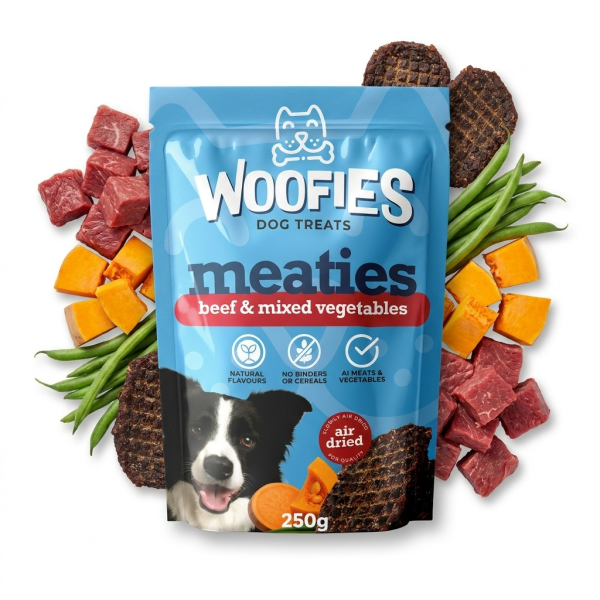
Single-ingredient natural treats from brands like Woofies are particularly well-suited to training use because they tend to be soft enough to break apart, genuinely palatable to even fussy dogs, and free from artificial ingredients that might cause digestive upset during a stressful training environment.
Finding Your Dog’s Training Currency
Every dog is different, and part of becoming a skilled trainer is figuring out what motivates your individual dog. Some dogs go wild for fish-based treats. Others are most motivated by chicken or beef. A few will work enthusiastically for cheese or even pieces of fruit. The treat that makes your dog’s eyes light up is your training currency, and it is worth investing time to discover what that is.
Once you know your dog’s favourite, reserve it specifically for training contexts, keep it fresh, and use it wisely. Pairing great treats with consistent, positive training methods is the fastest path to a well-behaved, happy dog.
—
Frequently Asked Questions
Are training treats different from regular dog treats?
Yes, training treats are specifically designed to be small, quick to eat, and highly appealing so they can be used repeatedly during a training session without filling your dog up. Regular treats are often larger and richer, meant to be given occasionally as a reward rather than dozens of times in a row. Using training treats keeps calorie intake manageable even during intensive sessions.
What makes a good training treat for dogs?
A good training treat should be small enough to eat in one or two seconds, smelly enough to hold your dog’s attention, and low enough in calories that you can use plenty of them without guilt. Soft, meat-based training treats tend to work well because dogs find them highly motivating. Avoid anything crumbly, large, or so rich that it distracts your dog from the lesson.
What is a high-value treat and when should I use one?
A high-value treat is something your dog finds exceptionally exciting, like a piece of real meat, cheese, or a premium natural treat they don’t get often. High-value treats are best saved for teaching new or difficult behaviours, working in distracting environments, or as a jackpot reward for an impressive effort. Everyday rewards can be lower value to keep the high-value treats feeling special.
How do I stop my dog gaining weight from training treats?
The easiest way to manage calories from training treats is to use tiny pieces — no bigger than a pea — and subtract what you’ve given from your dog’s regular meal portion. Choosing low-calorie training treats made from lean proteins like chicken or roo also helps keep the numbers in check. Tracking how many treats you use per session makes it easier to stay within your dog’s daily calorie budget.