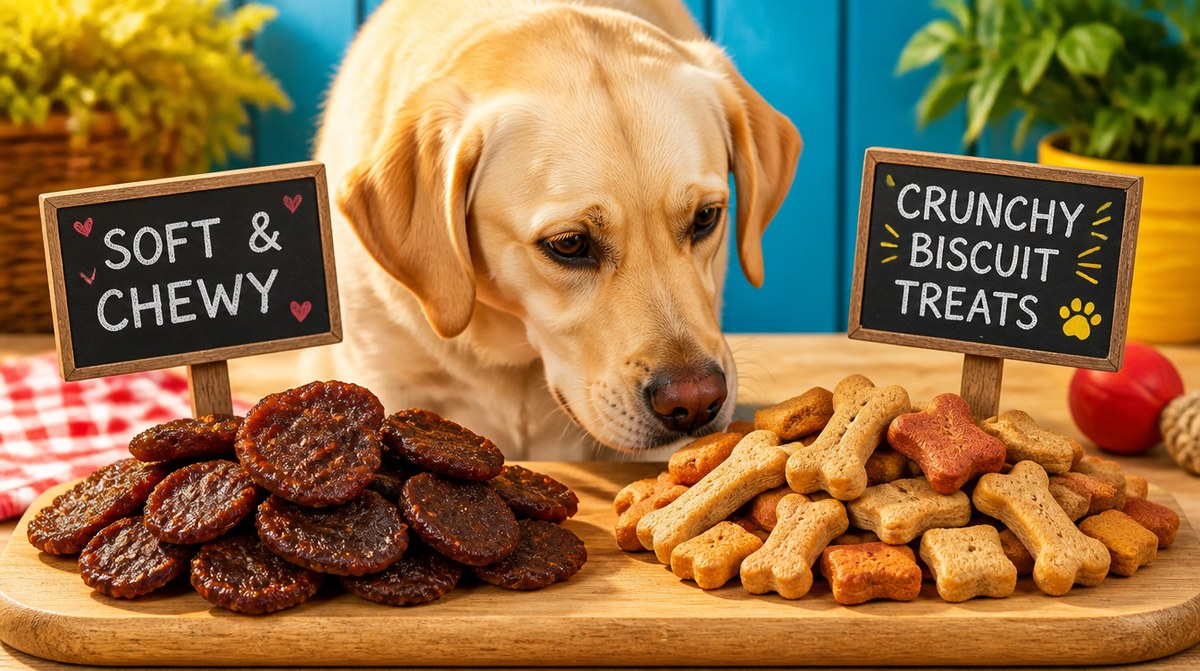
Walk into any pet store or browse an online treat range, and you will notice that dog treats come in two broad categories: soft and chewy, or firm and crunchy. Both have their devoted fans among dog owners, and both have genuine merits. The truth is, neither is universally better. The right choice depends on your individual dog, their age, their dental health, and what you are using the treats for.
The Case for Crunchy Treats
Crunchy treats have a well-established reputation for supporting dental hygiene. The mechanical action of chewing through a firm treat helps scrape away plaque and tartar from the tooth surface, particularly on the back molars where buildup tends to accumulate. While crunchy treats are not a substitute for regular tooth brushing, they do contribute to better oral health when offered consistently.
Dogs also tend to find the texture of crunchy treats stimulating. The sound and resistance of chewing engages their natural instincts and can help keep them occupied for longer. This makes crunchy treats a good option for mental enrichment and reducing boredom-related behaviours.
From a practical standpoint, crunchy treats tend to have a longer shelf life and are less messy to handle. They are ideal for owners who want to keep treats in a pocket or treat pouch without dealing with residue.
The Case for Soft Treats
Soft and chewy treats have a distinct advantage when it comes to palatability. The aroma of a moist, meaty treat is far more intense than a dry biscuit, which means they are far more motivating for dogs, particularly those who are picky eaters or easily distracted. This makes soft treats the preferred choice for training, where you need your dog to remain highly engaged and responsive to rewards.
Soft treats are also significantly easier for dogs with dental problems to consume. Senior dogs who have lost teeth, dogs recovering from dental procedures, or breeds prone to dental overcrowding will often struggle with hard, crunchy textures. For these dogs, soft treats are not just preferable but necessary.
Puppies also benefit from softer textures while their adult teeth are still coming through. Offering a rock-hard treat to a puppy with sore gums can put them off treats entirely, which is the last thing you want when you are trying to establish positive associations during early training.
Age and Dental Considerations
Age is one of the most important factors when choosing between soft and crunchy. As a general guide, puppies under six months do best with soft treats, adult dogs with healthy teeth can enjoy both, and seniors often do better returning to softer options. If your dog has been diagnosed with significant dental disease or has had extractions, always prioritise soft or semi-moist treats.
It is worth having your dog’s teeth checked by a vet at least once a year. If dental disease is present, the added abrasive action of crunchy treats may actually be uncomfortable or even counterproductive, depending on the severity.
When to Use Each Type
Think of soft treats as your training and high-value rewards, and crunchy treats as your everyday snacks and dental support. During an active training session, reach for something soft, aromatic, and small enough to be consumed quickly so your dog can refocus fast. For a midday snack or an afternoon reward for good behaviour, a crunchy treat that takes a moment to chew can be both satisfying and beneficial.
Many experienced dog owners keep both types on hand and rotate between them. This also prevents your dog from becoming bored with one texture, which can reduce treat motivation over time.
Quality Over Texture
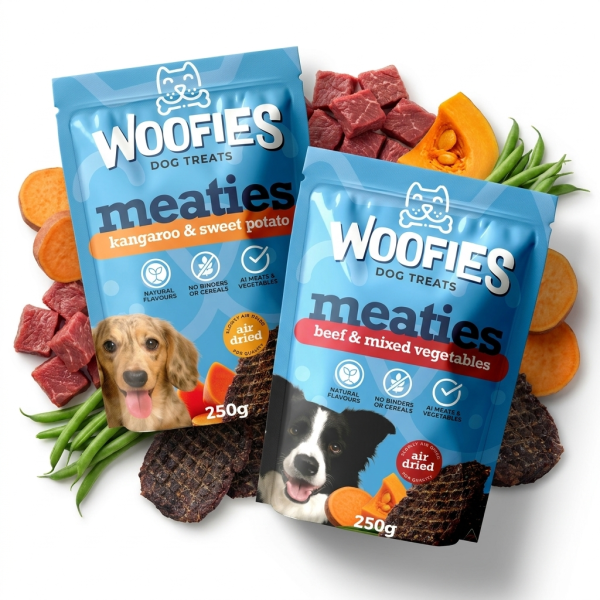
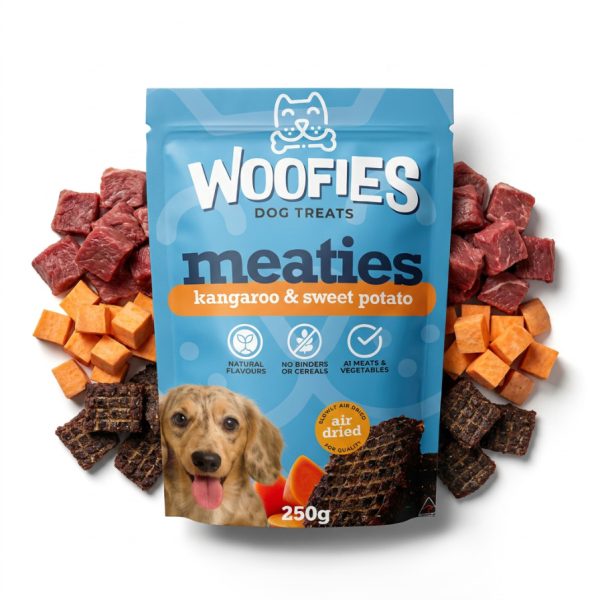
Regardless of which texture you choose, ingredient quality matters most. A soft treat made with artificial preservatives, colourings, and sugar is not preferable to a crunchy treat made from single-ingredient air-dried meat, and vice versa. Always read the label and look for treats with real, recognisable ingredients and no unnecessary additives. Natural treats in both soft and crunchy formats can be found in quality Australian brands that prioritise your dog’s wellbeing over shelf appeal.
—
Frequently Asked Questions
Are soft treats or crunchy treats better for dogs?
Neither is universally better — soft treats and crunchy treats each have their place depending on your dog’s needs. Soft treats are ideal for training, older dogs, or dogs with dental issues because they’re easy to chew and swallow quickly. Crunchy treats can help scrape away light plaque buildup and tend to be a satisfying chew for dogs with healthy teeth.
Do crunchy dog treats actually help with dental health?
Crunchy treats can provide a mild mechanical cleaning effect as dogs chew, which may help reduce light tartar and plaque on the tooth surface. However, they’re not a substitute for proper dental hygiene like brushing or professional cleans. Look for crunchy treats with a texture that requires real chewing rather than ones that just shatter instantly.
When should I use soft treats instead of crunchy ones?
Soft treats are the better choice during training sessions because they can be eaten quickly without interrupting the lesson. They’re also much easier for puppies, senior dogs, and dogs with missing teeth or jaw pain to manage. If your dog has a sensitive stomach, soft treats made from single ingredients like dried meat are often gentler too.
Which type of treat do dogs prefer, soft or crunchy?
Palatability varies between individual dogs, but many dogs show a strong preference for soft, meaty treats because the smell and texture more closely mimic fresh food. That said, some dogs love the satisfying crunch of a biscuit-style treat. Offering both and observing which gets your dog more excited is the easiest way to find out what works best for yours.