Weight gain is one of the most common health concerns in senior dogs, and it is one that many owners underestimate until it becomes a real problem. An overweight senior dog faces increased risks of joint pain, heart disease, diabetes, and a shortened lifespan. The encouraging news is that with some thoughtful adjustments, managing your senior dog’s weight is very achievable.
Why Senior Dogs Gain Weight
The primary reason senior dogs tend to gain weight is straightforward: their metabolism slows down as they age, but their calorie intake often stays the same or even increases. Older dogs are also typically less active than their younger counterparts, burning fewer calories through exercise and play. The combination of more calories in and fewer calories burned creates a recipe for gradual weight gain.
Hormonal changes can also play a role. Dogs that have been desexed may have a slightly lower metabolic rate, and conditions such as hypothyroidism, which becomes more common with age, can contribute to weight gain. If your senior dog is gaining weight despite no changes to their diet or activity level, a veterinary check-up to rule out underlying health conditions is a sensible first step.
The Hidden Calories in Treats
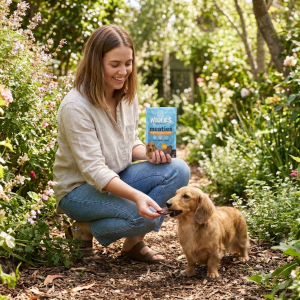
Treats are often the forgotten variable when owners are trying to manage their dog’s weight. It is easy to overlook the calories in a small piece of dried meat or a training treat, but these calories add up quickly, particularly if treats are given frequently throughout the day.
A useful rule of thumb is that treats should account for no more than ten percent of your dog’s total daily calorie intake. For a senior dog that may already be on a reduced-calorie diet, this means that individual treats need to be quite small or particularly low in calories. Checking the calorie content of your dog’s treats and factoring this into their overall daily intake is a habit worth developing.
Choosing Lower-Calorie Natural Treats
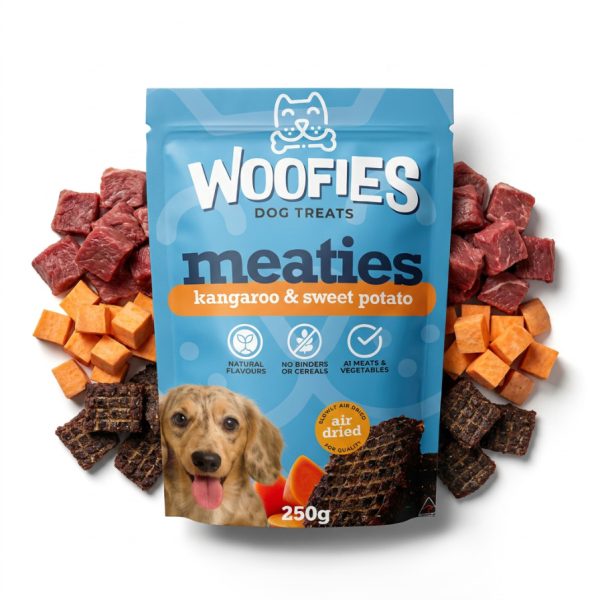
The good news is that not all treats are created equal when it comes to calorie content. Natural treats made from lean proteins are typically much lower in calories than treats based on grains, starches, or fatty meats. Fish-based treats, kangaroo, and chicken breast treats are all relatively lean options that your dog will enjoy without significantly impacting their calorie budget.
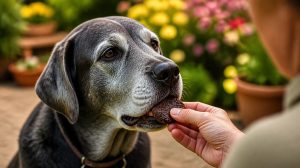
Breaking treats into smaller pieces is another effective strategy. A single larger treat can often be broken into three or four small pieces, each of which delivers the same reward signal to your dog’s brain. Dogs respond to the act of receiving a treat rather than the size of it, so smaller pieces are just as rewarding from your dog’s perspective while being easier on the calorie count.
Increasing Activity Gently
Exercise remains important for senior dogs, both for weight management and for overall physical and mental health. However, the type and intensity of exercise needs to be adjusted to suit an older dog’s capabilities and any joint or health limitations they may have.
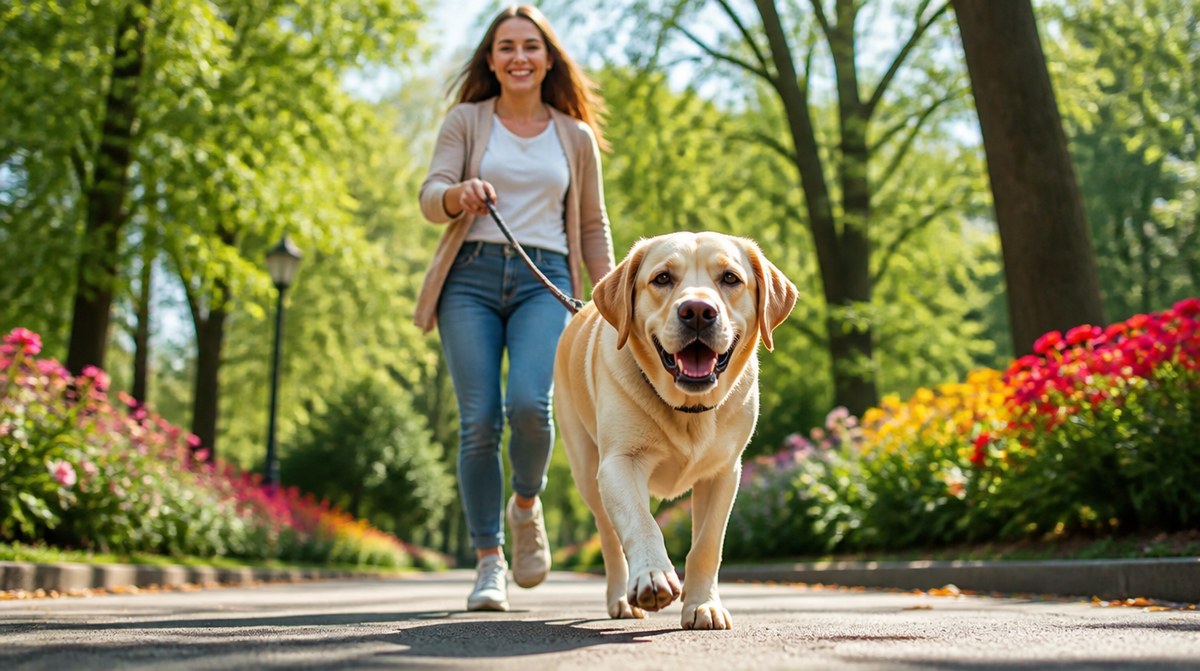
Shorter, more frequent walks are often better tolerated than single long walks. Swimming is an excellent low-impact exercise option for senior dogs with joint issues, as it provides a good workout without the concussive impact of running on hard ground. Gentle play sessions at home also help keep seniors mentally stimulated and physically active without overdoing it.
Always follow your dog’s lead and consult your veterinarian before making significant changes to their exercise routine, particularly if they have existing health conditions.
Working With Your Vet on a Weight Plan
If your senior dog is significantly overweight, working with your veterinarian to develop a structured weight loss plan is the most effective approach. Your vet can help you calculate an appropriate daily calorie target, recommend suitable food and treat options, and monitor your dog’s progress over time.
Weight loss in dogs should be gradual and steady rather than rapid. Rapid weight loss can actually be harmful, particularly in older dogs, and a slow, consistent approach is both safer and more sustainable.
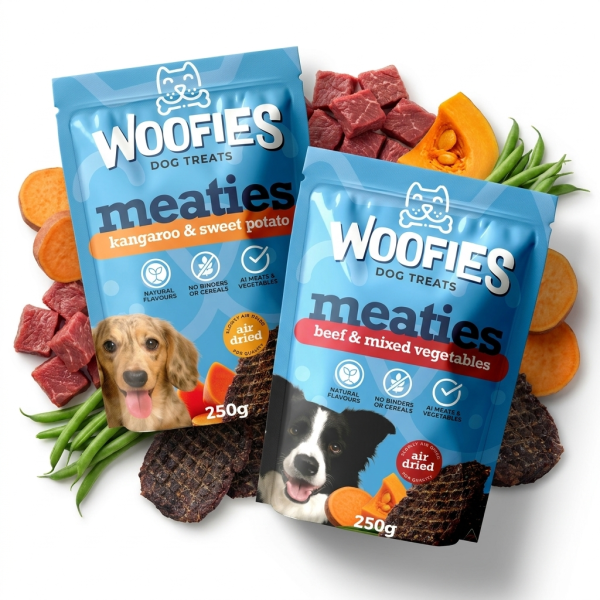
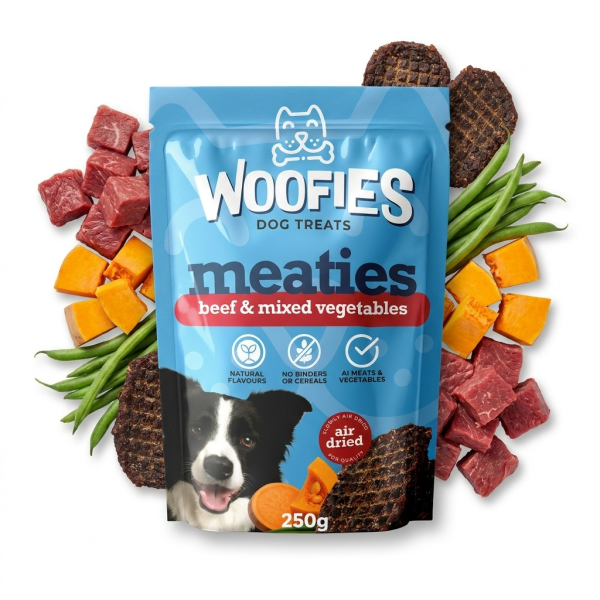
Managing your senior dog’s weight is one of the most impactful things you can do for their quality of life and longevity. At Woofies, our natural, low-filler treats give you a healthier option to reward your dog every day, so treat time remains a joyful ritual without derailing their health goals.
—
Frequently Asked Questions
How do I help my senior dog lose weight safely?
Weight management tips for senior dogs start with reducing overall calorie intake gradually rather than making sudden dramatic changes to their diet. Swapping high-calorie treats for lighter options like small pieces of lean meat or low-calorie natural treats is an easy first step. Combine dietary adjustments with gentle, regular exercise suited to your dog’s mobility level, and have your vet monitor their progress every few months.
What treats can I give my overweight senior dog?
One of the most practical weight management tips for senior dogs is to replace traditional treats with lower-calorie alternatives like dried fish, small pieces of lean chicken, or natural single-ingredient chews. Avoid treats with added sugars, fillers, or high fat content, as these contribute to weight gain without any nutritional benefit. Breaking treats into smaller pieces can also help your dog feel rewarded more often without the extra calories.
How much exercise does a senior dog need to manage their weight?
Exercise remains one of the most effective weight management tips for senior dogs, even if the intensity needs to be dialled back from their younger years. Short, frequent walks are generally better for older joints than one long outing, and swimming is an excellent low-impact option for dogs with arthritis. Always watch for signs of fatigue or discomfort and adjust the routine accordingly.
How many calories should treats be for a senior dog on a diet?
As a general rule, treats should make up no more than 10% of your senior dog’s total daily calorie intake, and keeping individual treats under 20 calories each is a useful weight management tip for senior dogs. Many natural treats like thin-sliced dried meat or small fish pieces fall well within this range. Check the packaging or ask your vet if you are unsure how a particular treat fits into your dog’s overall calorie budget.