Joint problems are one of the most common health challenges facing dogs, particularly as they age. Arthritis, hip dysplasia, and general joint stiffness can significantly affect a dog’s quality of life, limiting their mobility and causing them chronic discomfort. While veterinary care is the cornerstone of managing these conditions, what your dog eats every day, including their treats, can play a meaningful supporting role.
The Role of Omega-3 Fatty Acids
If there is one ingredient that deserves to be front and centre in any conversation about joint health, it is omega-3 fatty acids. These essential fats, found abundantly in oily fish such as salmon, sardines, and mackerel, have been extensively researched for their anti-inflammatory properties. Chronic inflammation is a key driver of joint pain and stiffness, and omega-3s help to moderate the body’s inflammatory response.
Fish-based treats are one of the easiest ways to introduce more omega-3s into your dog’s diet. Look for treats made from whole fish or fish fillets rather than fish meal, as whole-fish options tend to retain more of the beneficial fatty acids. Treats that list salmon, sardines, or whiting as their main ingredient are a great starting point.
Lean Proteins for Muscle Support
Healthy joints do not function in isolation. The muscles surrounding the joints play a critical role in providing stability and reducing the load placed on the joint itself. Dogs with good muscle tone experience less joint strain than those who have lost muscle mass. This is why lean, high-quality protein sources are so important for dogs with joint issues.
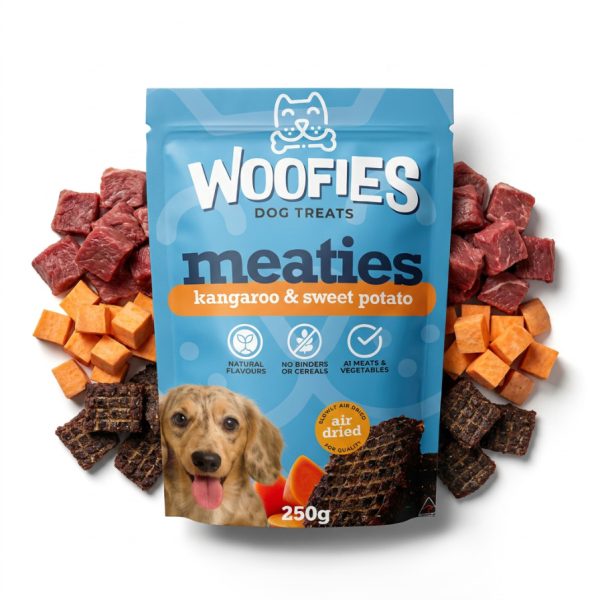
Treats made from lean proteins such as kangaroo, chicken breast, or turkey are excellent options. These proteins support muscle maintenance without adding unnecessary fat and calories, which is particularly important given that excess weight places additional stress on joints. Kangaroo meat, in particular, is a naturally lean protein that is also a novel protein source, making it a good choice for dogs with sensitivities.
Anti-Inflammatory Foods to Look For
Beyond omega-3s, certain whole food ingredients have natural anti-inflammatory properties that can be beneficial for dogs with joint issues. Turmeric is perhaps the most well-known of these. Curcumin, the active compound in turmeric, has been studied for its ability to reduce inflammatory markers, and some natural dog treats include turmeric as part of their ingredient list.
Blueberries and other antioxidant-rich fruits are also worth noting. Antioxidants help to combat oxidative stress, which contributes to inflammation and cellular ageing. While these ingredients will appear in smaller amounts in treats, their cumulative contribution to your dog’s diet adds up over time.
What to Avoid in Treats for Joint Health
Just as important as knowing what to look for is knowing what to avoid. Treats that are high in sodium can contribute to inflammation and fluid retention, which can worsen joint discomfort. Treats loaded with artificial additives, preservatives, and artificial colours provide no nutritional benefit and may actively contribute to inflammatory processes in the body.
Treats that are predominantly made from grains or starches and contain very little actual protein or healthy fat offer minimal support for joint health. Reading ingredient labels carefully and prioritising treats where real animal protein and natural ingredients are listed first makes a genuine difference.
Choosing Treats That Work Harder for Your Dog
The good news is that choosing joint-friendly treats does not require sacrificing enjoyment. Natural treats made from real fish, lean meats, and wholesome ingredients are genuinely delicious to dogs while also delivering meaningful nutritional support. Your dog does not know they are eating something that is good for their joints. They just know it tastes incredible.
At Woofies, our natural dog treats are made with real Australian ingredients and no artificial nasties. For dogs with joint concerns, our fish-based and lean meat options provide omega-3s and quality protein to support their ongoing comfort and mobility. Every treat is a small but meaningful investment in your dog’s long-term wellbeing.
—
Frequently Asked Questions
What ingredients should I look for in joint-friendly treats for dogs?
Joint-friendly treat ingredients for dogs include omega-3 fatty acids from sources like fish oil or salmon, lean proteins that support muscle mass around the joints, and natural anti-inflammatories like turmeric. Avoiding treats high in sugar, artificial additives, or saturated fat is just as important as what you add. Single-ingredient or minimally processed treats are often the easiest way to ensure you know exactly what your dog is getting.
Do omega-3 fatty acids really help dogs with joint pain?
Omega-3 fatty acids are among the most evidence-backed joint-friendly treat ingredients for dogs, with research suggesting they can reduce inflammation associated with conditions like arthritis. They work by helping to moderate the body’s inflammatory response rather than just masking symptoms. Fish-based treats such as dried salmon or sardines are a natural and tasty way to incorporate omega-3s into your dog’s daily routine.
Are there natural anti-inflammatory ingredients I can give my dog through treats?
Yes, several joint-friendly treat ingredients for dogs have recognised anti-inflammatory properties, including fish oil, turmeric, and green-lipped mussel. These ingredients are increasingly found in high-quality natural dog treats specifically formulated for older or more active dogs. Always introduce new ingredients gradually and check with your vet if your dog is already on medication, as some natural compounds can interact with certain drugs.
Can the wrong treats make joint problems worse in dogs?
Treats high in calories, refined sugars, or unhealthy fats can contribute to weight gain, which places significantly more load on already stressed joints. Choosing joint-friendly treat ingredients for dogs means avoiding these unnecessary additions and focusing on options that actively support rather than undermine your dog’s mobility. Even small amounts of the wrong treats daily can add up to meaningful extra weight over weeks and months.