Watching your dog move through different life stages is one of the privileges of being a dog owner. From the boundless energy of puppyhood to the calm contentment of their senior years, each stage brings with it unique nutritional needs. Understanding how those needs shift as your dog ages can help you make smarter choices about their food, and yes, their treats too.
The Slowing Metabolism
One of the most significant changes that occurs as dogs age is a gradual slowing of their metabolism. Senior dogs burn fewer calories at rest than younger dogs, which means that the same amount of food that kept them in perfect condition at four years old may lead to weight gain by the time they are nine. This metabolic shift happens gradually, but the effects accumulate over time.
Adjusting calorie intake as your dog ages is important, and that includes factoring in the calories that come from treats. Many owners are surprised to learn just how much treat calories can add up, particularly if they are generous with rewards throughout the day.
Protein Needs in Senior Dogs
There is a common misconception that senior dogs need less protein than younger dogs. In fact, research increasingly suggests the opposite. Older dogs are less efficient at processing and utilising protein, which means they may actually need higher-quality protein sources to maintain muscle mass. Muscle loss, known as sarcopenia, is a real concern in ageing dogs and can contribute to weakness and reduced mobility.
Choosing treats made from high-quality animal proteins, such as lean meats and fish, supports muscle maintenance in senior dogs. Single-ingredient natural treats are particularly good for this because you know exactly what your dog is eating, without fillers or by-products that dilute the protein content.
Joint Health and Anti-Inflammatory Nutrition
Joint stiffness and arthritis are extremely common in older dogs. While veterinary treatment is often necessary for managing these conditions, nutrition plays a meaningful supporting role. Omega-3 fatty acids, found in fish-based treats and fish oil, have well-documented anti-inflammatory effects that can help ease joint discomfort.
Other nutrients to look for include antioxidants, which help combat the oxidative stress that contributes to ageing and inflammation. Treats made from natural, minimally processed ingredients tend to retain more of these beneficial compounds than heavily processed commercial treats.
Digestive Changes in Ageing Dogs
The digestive system also changes with age. Many senior dogs develop increased sensitivity to rich, fatty, or highly processed foods. You may notice that treats that were once well tolerated start to cause loose stools or upset stomachs. This is a sign that your dog’s digestive system is becoming more sensitive and that it may be time to reassess your treat choices.
Natural, single-ingredient treats are generally easier for sensitive senior digestive systems to handle. They are free from artificial colours, flavours, and preservatives, which are common culprits in digestive upsets. Treats made from easily digestible proteins like fish or chicken are often a safe and well-tolerated option.
Adjusting Treat Choices Over Time
The good news is that adjusting your dog’s treats as they age does not have to be complicated. It is largely a matter of paying attention to your individual dog, watching for any changes in their digestion, weight, or energy levels, and being willing to make small changes when needed.
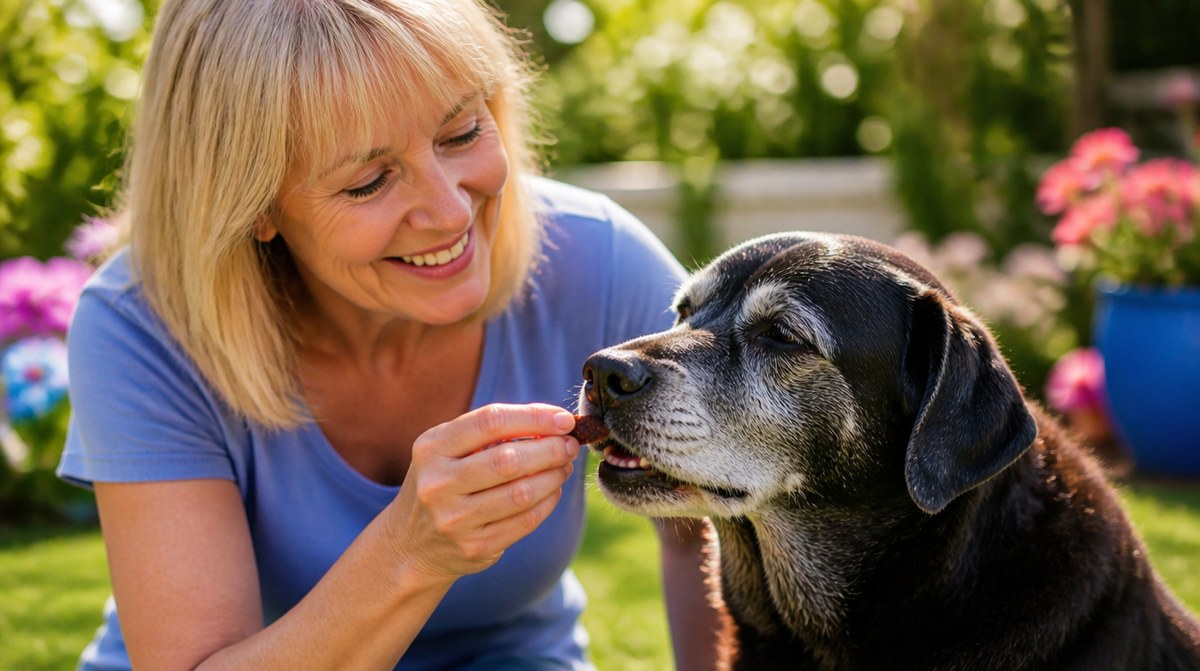
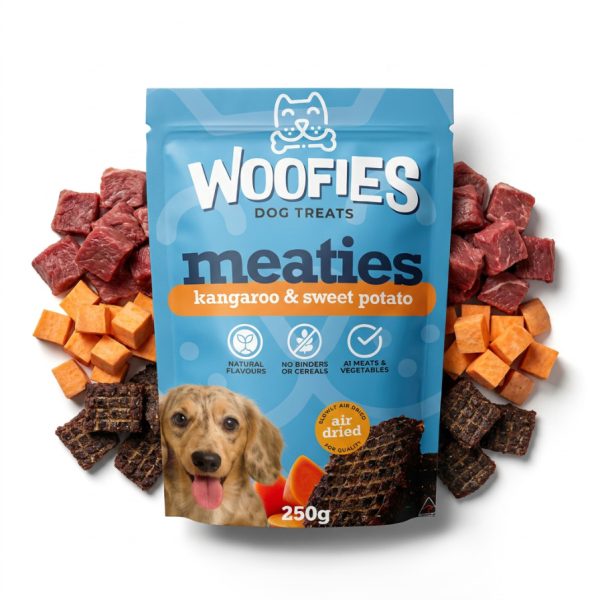
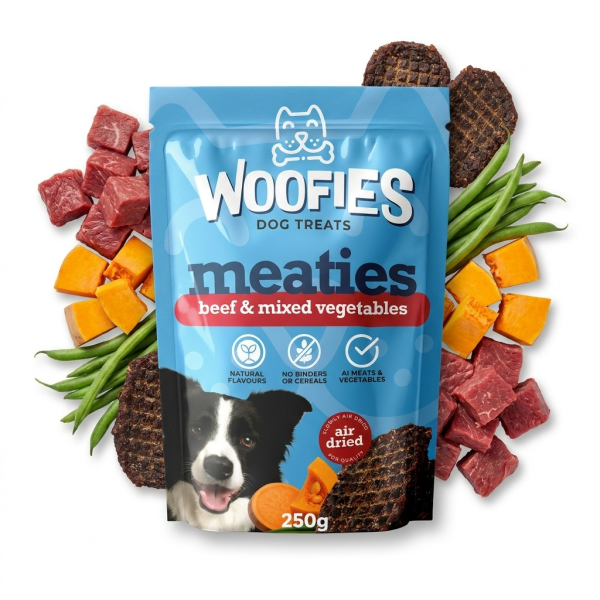
Working with your veterinarian is always the best approach when you have concerns about your senior dog’s nutrition. They can give you tailored guidance based on your dog’s breed, weight, health history, and specific needs. And in between vet visits, choosing high-quality natural treats like those from Woofies is a simple, everyday way to support your ageing dog’s health with every reward you give them.
—
Frequently Asked Questions
How does a dog’s nutritional needs change as they get older?
As dogs age, their metabolism slows down, which means they generally need fewer calories to maintain a healthy weight. At the same time, nutrition changes as dogs age often mean they require higher quality protein to preserve lean muscle mass, even though their overall food intake may decrease. Older dogs can also become less efficient at absorbing certain nutrients, so the quality of what they eat becomes especially important.
Do senior dogs need more or less protein than younger dogs?
This is one of the most misunderstood aspects of how nutrition changes as dogs age. Healthy senior dogs generally benefit from maintaining or even slightly increasing their protein intake to help preserve muscle mass, rather than reducing it. The key is choosing lean, high-quality proteins that are easy to digest and not overly high in fat.
Why do older dogs sometimes have trouble digesting food?
Digestive efficiency naturally declines with age, and this is a normal part of how nutrition changes as dogs age. The gut produces fewer digestive enzymes and the intestinal lining may not absorb nutrients as effectively as it once did. Feeding easily digestible proteins and adding fibre-rich foods can help support gut health in older dogs.
When should I switch my dog to a senior diet?
Most dogs benefit from dietary adjustments around the age of seven, though larger breeds may need changes earlier since they age faster. Understanding how nutrition changes as dogs age can help you make that transition proactively rather than waiting for obvious health issues to appear. It is always worth talking to your vet before switching diets to make sure the change suits your individual dog’s health needs.