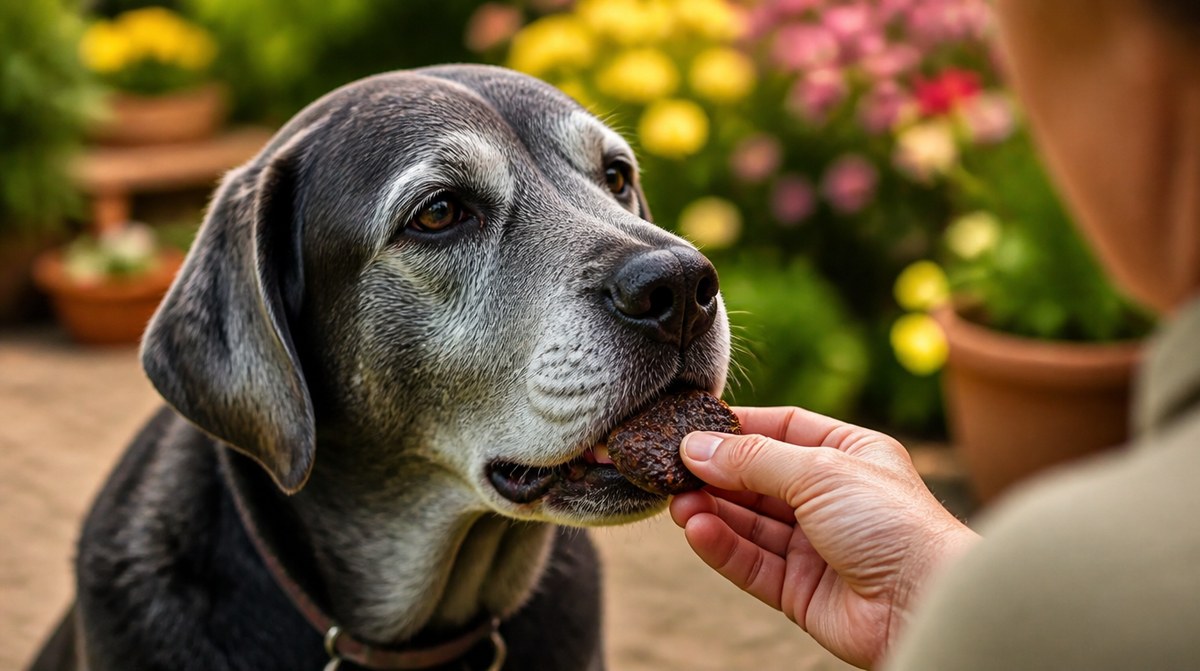
As our dogs grow older, they become even more precious to us. They’ve been there through the good times and the hard times, and it’s only fair that we return the favour by giving them the care and nutrition they deserve in their golden years. One area that often gets overlooked is treats. What worked perfectly for your dog at two years old may not be the best choice at ten.
How Senior Dogs Are Different
Senior dogs, generally those aged seven and above (though this varies by breed and size), experience a range of physical changes that affect what they need from their diet. Their metabolism slows down, their joints may become stiffer, their teeth can weaken, and their digestive systems often become more sensitive. All of these changes mean that the treats you offer should be chosen with a bit more thought than you might have given them in your dog’s younger years.
Hard chews and very crunchy treats can be a problem for senior dogs with dental wear or gum sensitivity. A treat that was easy to crunch through at three years old might cause discomfort or even damage to an older dog’s teeth. Opting for softer, more pliable treats is often a kinder choice, and your dog will thank you for it.
Texture Matters More Than You Think
Softer treats are not just about dental health. Many older dogs experience reduced jaw strength, and forcing them to work hard on a tough chew can be uncomfortable. Look for treats that have a softer, more chewy consistency rather than brittle or rock-hard options. Freeze-dried and air-dried natural treats can offer a good middle ground, being softer than fully dehydrated products while still being packed with flavour and nutrition.
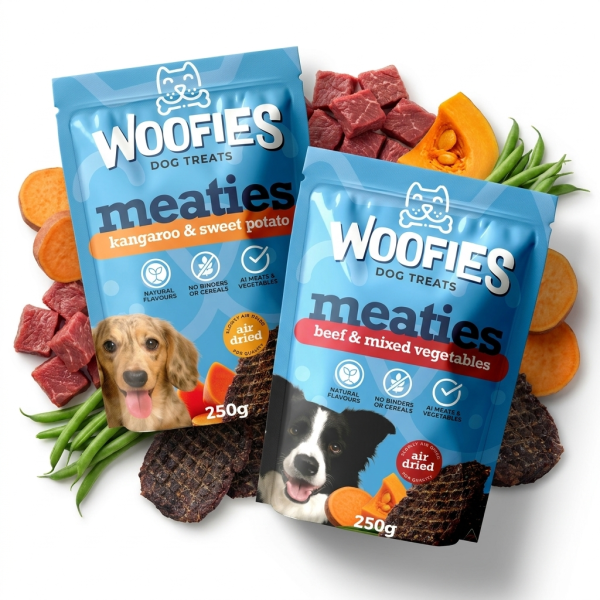
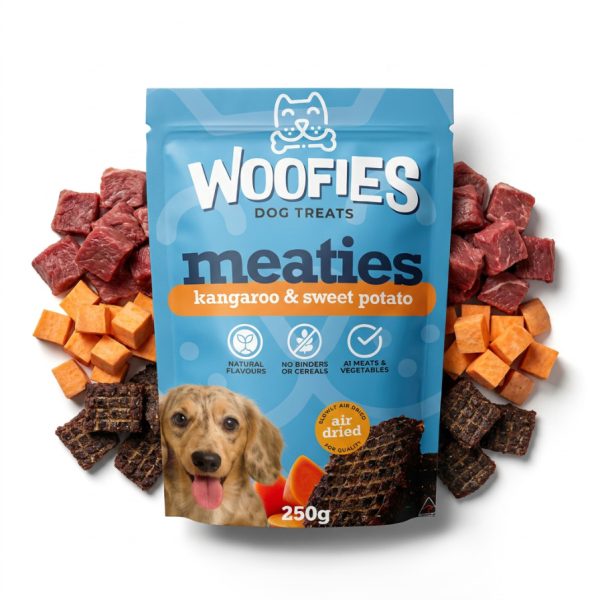
Natural treats made from single proteins, such as kangaroo, chicken, or fish, tend to be gentler on the digestive system and are free from the artificial additives that can cause issues in sensitive seniors.
Calorie Considerations for Older Dogs
Weight gain is common in senior dogs because their activity levels tend to drop while their appetites may not. Treats contribute to daily calorie intake, and in an older dog, excess calories can lead to obesity, which places additional strain on already vulnerable joints and organs.
Choosing lower-calorie treats is a practical way to keep giving your dog the love and reward they enjoy without inadvertently contributing to weight gain. Lean proteins, vegetables, and small-portion treats all help keep calories in check. If you are unsure how many treat calories are appropriate for your dog, your vet can give you a sensible daily guideline.
One of the most meaningful things you can do for a senior dog through their diet is support their joint health. Treats containing omega-3 fatty acids, found naturally in fish and fish oil, have been shown to have anti-inflammatory properties that can help ease the discomfort of stiff joints. Treats made from salmon, sardines, or other oily fish are a great choice for senior dogs.
Some natural treats also contain ingredients like turmeric, which is known for its anti-inflammatory properties, or are made from proteins that are naturally lean and easy to digest. While treats are not a substitute for veterinary-prescribed joint supplements, choosing treats with these beneficial ingredients adds an extra layer of support to your senior dog’s overall care.
Making Treat Time Still Special
Just because your dog is older does not mean treat time should become boring or medicinal. Senior dogs still love the excitement of receiving something delicious, and that positive reinforcement remains valuable for their mental wellbeing. The key is simply being more selective about what you offer.
At Woofies, we believe that every dog, regardless of age, deserves natural treats that are made with real ingredients and genuine care. Choosing high-quality, natural treats for your senior dog is one of the simplest and most loving things you can do to support their health and happiness as they age gracefully.
—
Frequently Asked Questions
What are the best treats for older dogs with sensitive stomachs?
The best treats for older dogs are soft, easily digestible options made from single proteins like chicken, kangaroo, or fish. Natural treats that are low in fat and free from artificial additives tend to sit well with senior digestive systems. Look for options that are small enough to chew comfortably without putting pressure on ageing teeth and gums.
Should treats for senior dogs be lower in calories?
Yes, the best treats for older dogs are generally lower in calories because senior dogs have slower metabolisms and are often less active than they used to be. Excess calories from treats can quickly lead to weight gain, which puts added strain on ageing joints. Aim for treats that deliver flavour and nutritional value without unnecessary fillers or high fat content.
Can dog treats help support joint health in senior dogs?
Certain treats can absolutely support joint health in senior dogs, particularly those containing omega-3 fatty acids from ingredients like fish or flaxseed. These nutrients have natural anti-inflammatory properties that may help ease stiffness and improve mobility. Look for the best treats for older dogs that list joint-supportive ingredients on the label rather than relying on vague claims.
How many treats should I give my senior dog each day?
Treats should make up no more than 10% of your senior dog’s daily calorie intake, which is typically lower than it was in their younger years. The best treats for older dogs are nutrient-dense so you can give smaller amounts without your dog missing out. If you are unsure of the right amount, your vet can help you calculate an appropriate daily treat allowance based on your dog’s weight and health status.